New Expedition 74 Crew Arrives at International Space Station

The Expedition 74 crew, consisting of NASA astronaut Anil Menon and Roscosmos flight engineers Anna Kikina and Pyotr Dubrov, successfully arrived at the International Space Station on July 14, 2026. They are currently embarking on an eight-and-a-half-month mission dedicated to essential scientific research and ongoing station operations.
Read it in Short
QUICK OVERVIEW
The Expedition 74 crew, including NASA's Anil Menon and Roscosmos's Anna Kikina and Pyotr Dubrov, arrived at the ISS on July 14, 2026.

The mission duration is scheduled for eight-and-a-half months, supporting continuous station operation and long-duration spaceflight research.

Primary mission objectives focus on scientific research, physiological studies, and maintaining technical station systems in microgravity.

All docking and life-support systems are operating normally as of the latest July 2026 mission status updates.
New Expedition 74 Crew Arrives at International Space Station
The successful docking of a spacecraft at the International Space Station (ISS) remains a pinnacle of human engineering and international collaboration. On July 14, 2026, this partnership reached a new milestone as the Expedition 74 crew arrived at the orbital outpost, marking the start of a critical phase of scientific inquiry and station maintenance in low-Earth orbit.
Launched from the historic Baikonur Cosmodrome in Kazakhstan, the mission represents a vital link in the chain of continuous habitation that has sustained the station for decades. It ensures that the laboratory remains a fully staffed hub for global research.
The Expedition 74 Mission Profile
The arriving crew consists of NASA astronaut Anil Menon and Roscosmos flight engineers Anna Kikina and Pyotr Dubrov. The three specialists transitioned into the existing operational workflow of the station immediately. The mission is currently in its second week, with the crew focusing on acclimating to the unique challenges of a microgravity environment.
Spanning an eight-and-a-half-month duration, this mission is designed to push the boundaries of long-duration spaceflight. Such extended stays are essential for NASA and Roscosmos to collect longitudinal data on human physiological responses to space, which is critical for future missions to the Moon and beyond.
Expedition 74 Mission Snapshot
| Feature | Details |
|---|---|
| Launch Site | Baikonur Cosmodrome, Kazakhstan |
| Crew Size | 3 (1 NASA, 2 Roscosmos) |
| Mission Length | 8.5 Months |
| Primary Goal | Scientific Research & Systems Operations |
Global Scientific Significance
The partnership between NASA and Roscosmos remains the bedrock of ISS operations. By maintaining a mixed crew, the agencies ensure that the station’s technical systems—which rely on both American and Russian engineering modules—receive the specialized oversight required. This cooperation allows the ISS to function as a 24/7 research facility, hosting experiments that are impossible to conduct under Earth's gravity.
The data harvested during these 8.5 months will contribute to advancements in medicine, materials science, and environmental monitoring. Every hour spent by Menon, Kikina, and Dubrov in orbit is part of a cumulative effort to refine systems that keep humans productive in the vacuum of space.
Operational Timeline
The mission has proceeded according to a tightly managed schedule:
- July 14, 2026: Successful launch from Baikonur Cosmodrome and docking with the ISS.
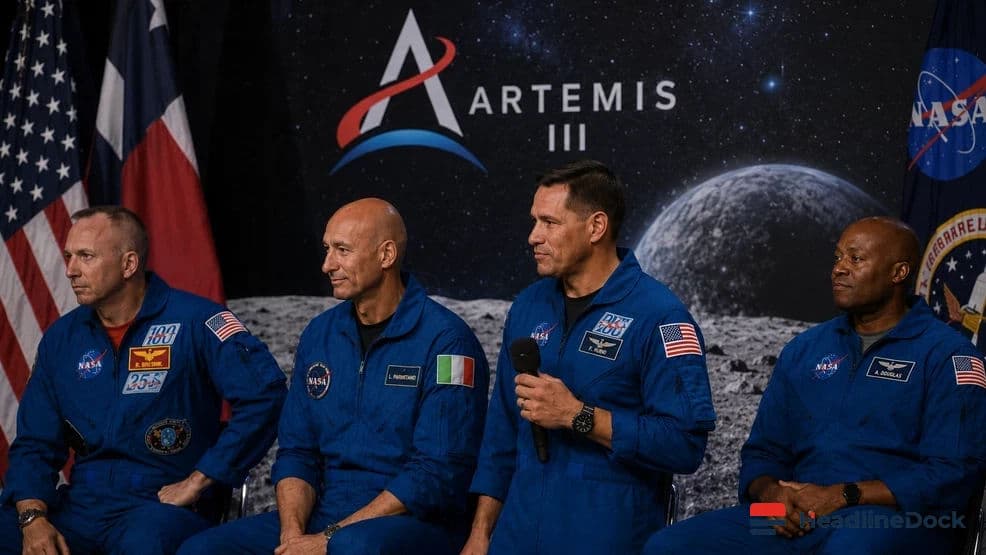
- July 18, 2026: Official commemorative photograph taken.
- July 24, 2026: Formal public announcement provided by NASA confirming mission-ready status.
Technical Reliability and Safety
As of July 28, 2026, there are no reported technical anomalies or mission-critical failures regarding the Expedition 74 arrival. All life-support and docking systems have functioned as intended. For real-time updates on their progress, follow NASA’s official ISS blog.
As the crew settles into their 8.5-month stay, the world looks toward the next breakthroughs in microgravity science, serving as a reminder that the pursuit of knowledge remains a collaborative human endeavor.
📖 NASA Coverage Timeline (Story Graph)
Follow the chronological evolution of NASA updates and related announcements on HeadlineDock:
- Jul 21, 2026 — NASA’s New VTE Risk Score Algorithm for Astronauts to Improve Health Safety
- Jul 21, 2026 — NASA & GE Aerospace's Hybrid-Electric Flight Takes Off for Sustainable Aviation
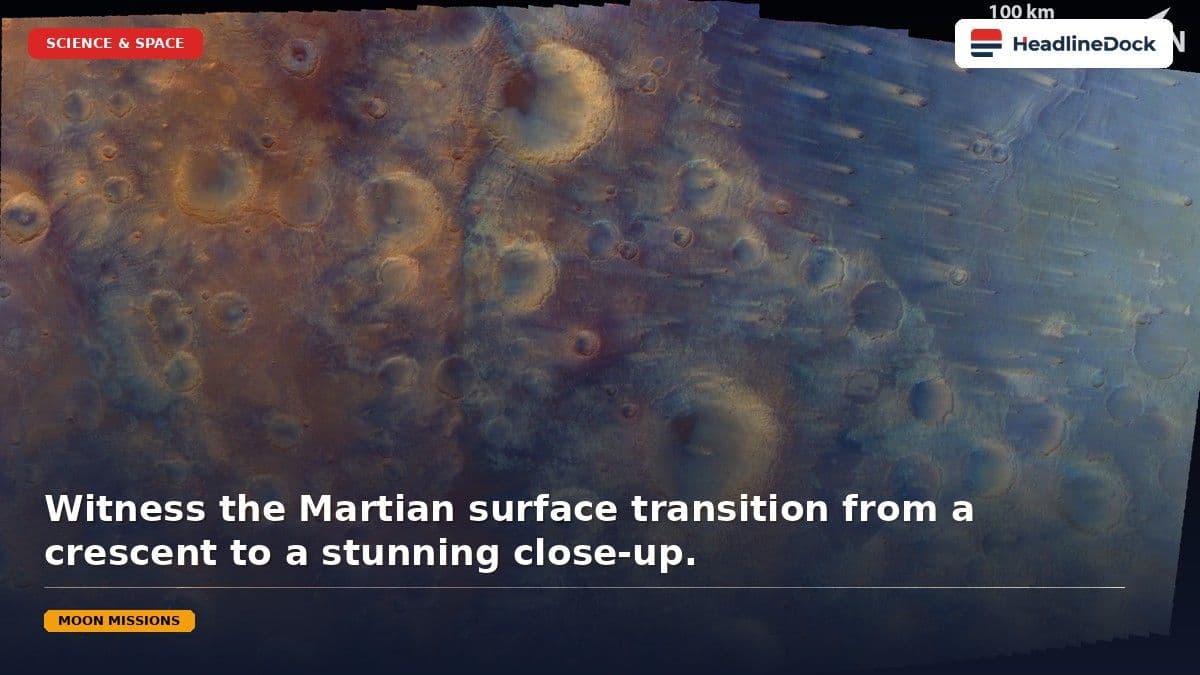
- Jul 21, 2026 — NASA Psyche Mission Captures Stunning Mars Crescent During Flyby
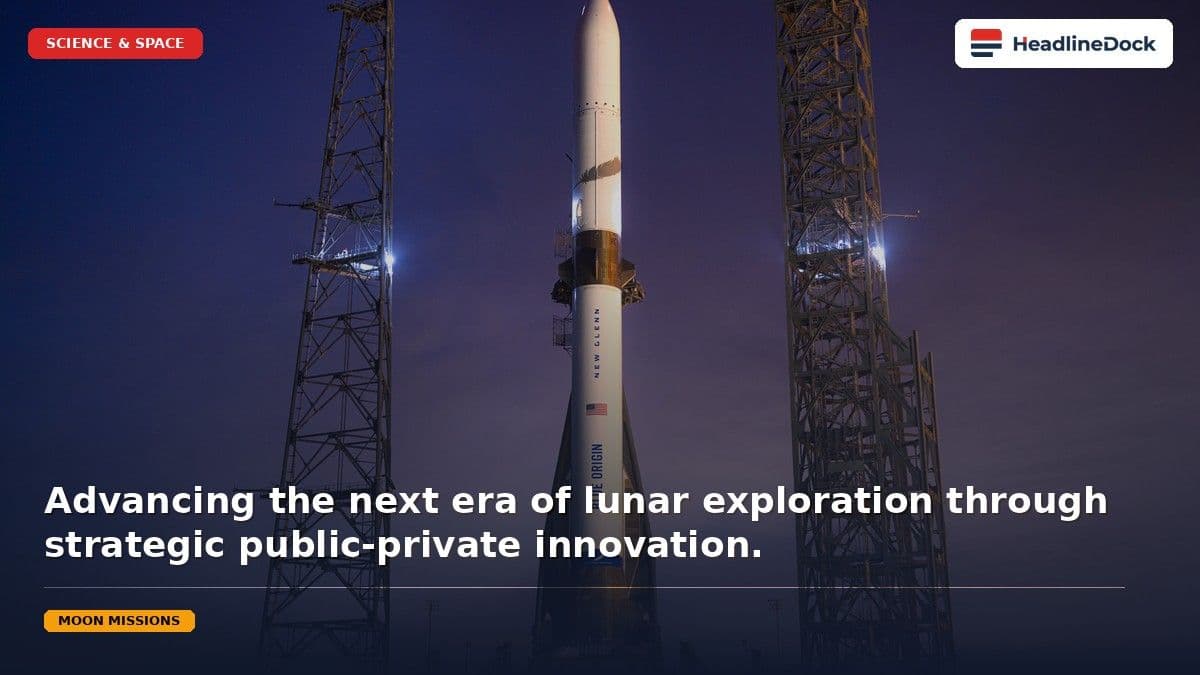
- Jul 25, 2026 — NASA, Blue Origin Partner to Test New Glenn Rocket at Stennis Stand
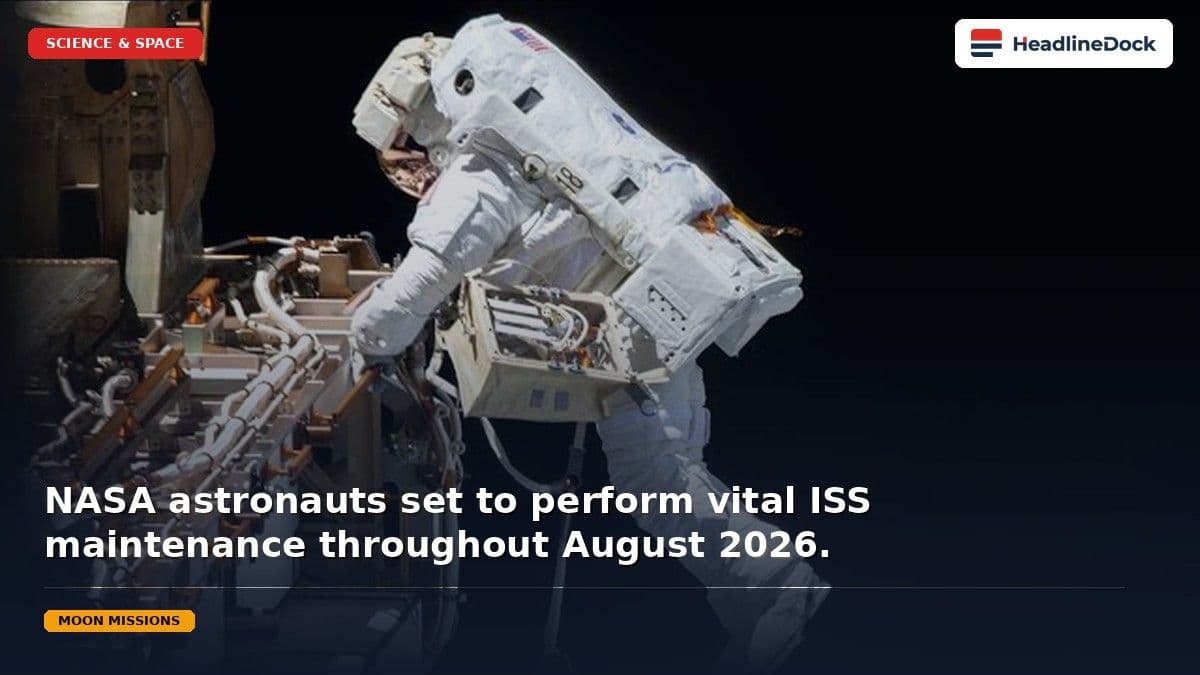
- Jul 28, 2026 — NASA to Cover Three US Spacewalks, Host Preview News Conference
- Today — Active Coverage: (You are reading this article)
Frequently Asked Questions
Who is in the new crew currently at the ISS?
The crew consists of NASA astronaut Anil Menon and Roscosmos flight engineers Anna Kikina and Pyotr Dubrov.
How long is their mission?
The mission is planned for eight-and-a-half months.
Where did they launch from?
The crew launched from the Baikonur Cosmodrome in Kazakhstan.
What is the primary purpose of their mission?
The crew is focused on conducting scientific research and acclimating to living and working in a microgravity environment.
Where can I follow their progress?
Updates on the crew and their activities can be tracked via the official International Space Station blog on NASA’s website.