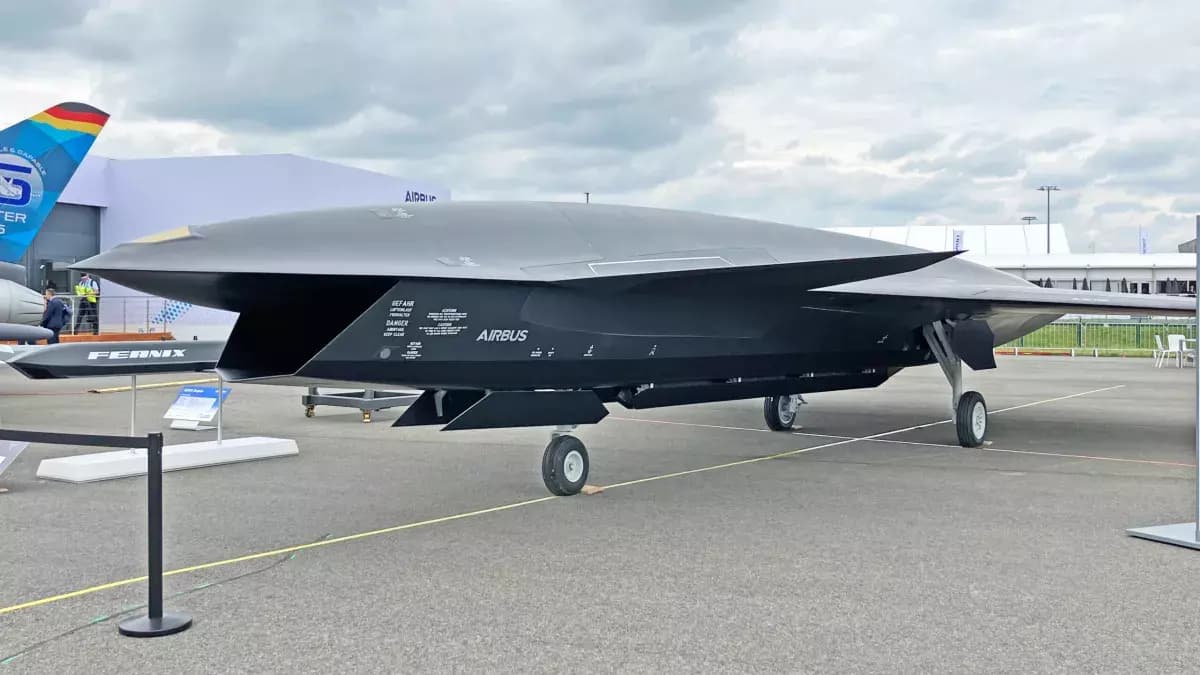
Breaking the Tech Barrier: India’s First Homegrown Expendable Jet Engine Is Here
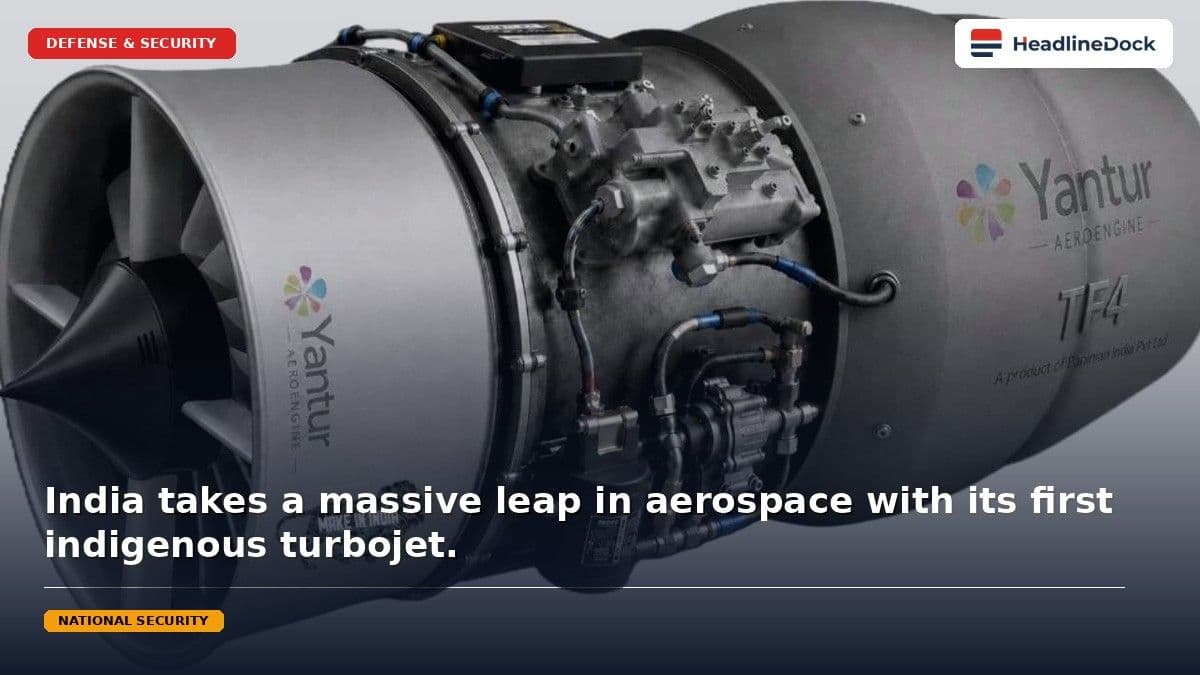
India has successfully developed its first indigenous 350 kg thrust class expendable turbo jet engine. Designed by DRDO's GTRE and manufactured by Azad Engineering, the engine is set to power domestic cruise missiles and UAVs, marking a historic achievement in India's quest for strategic aerospace and defence self-reliance.
Read it in Short
QUICK OVERVIEW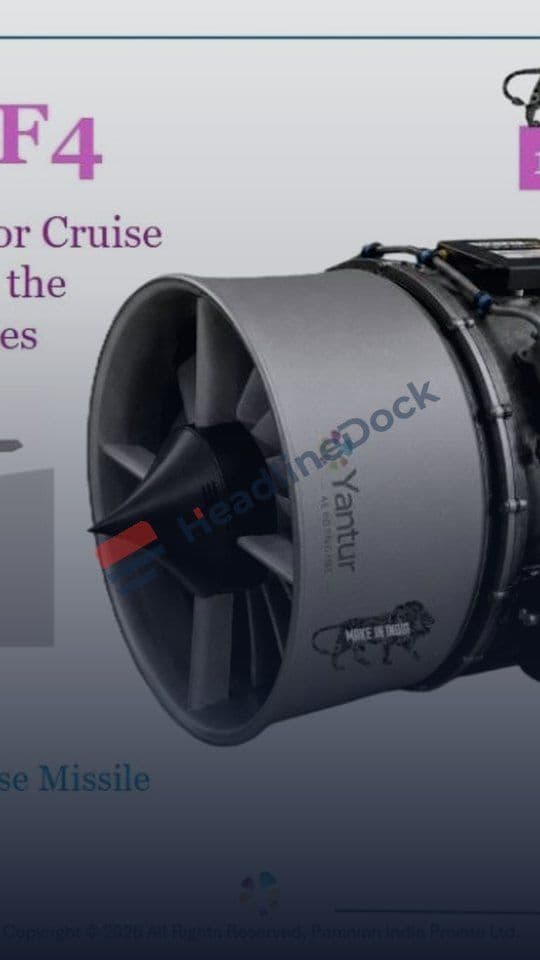
India developed its first indigenous 350 kg thrust expendable turbo jet engine via DRDO's GTRE.

The engine was manufactured and assembled by the Hyderabad-based partner, Azad Engineering.
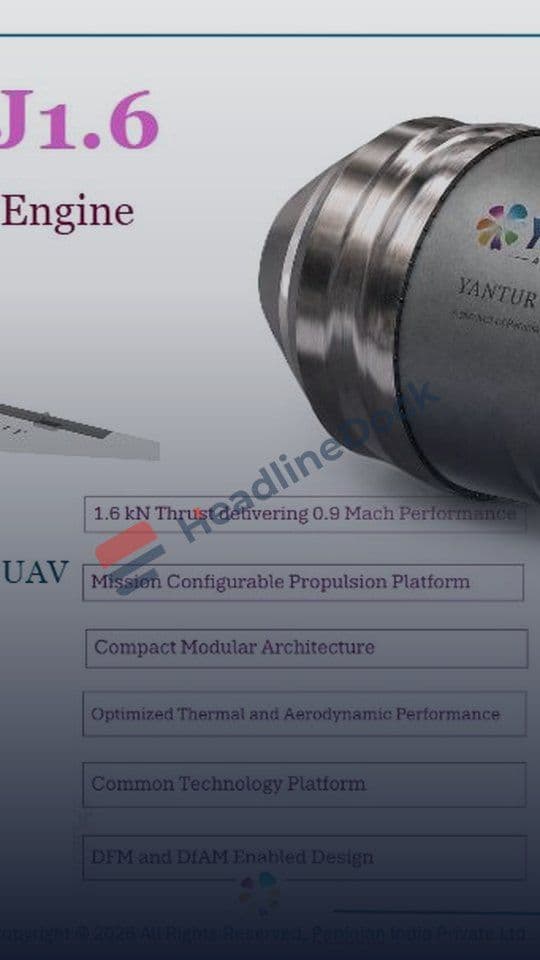
This expendable engine is designed specifically for cruise missiles, UAVs, and short-duration missions.
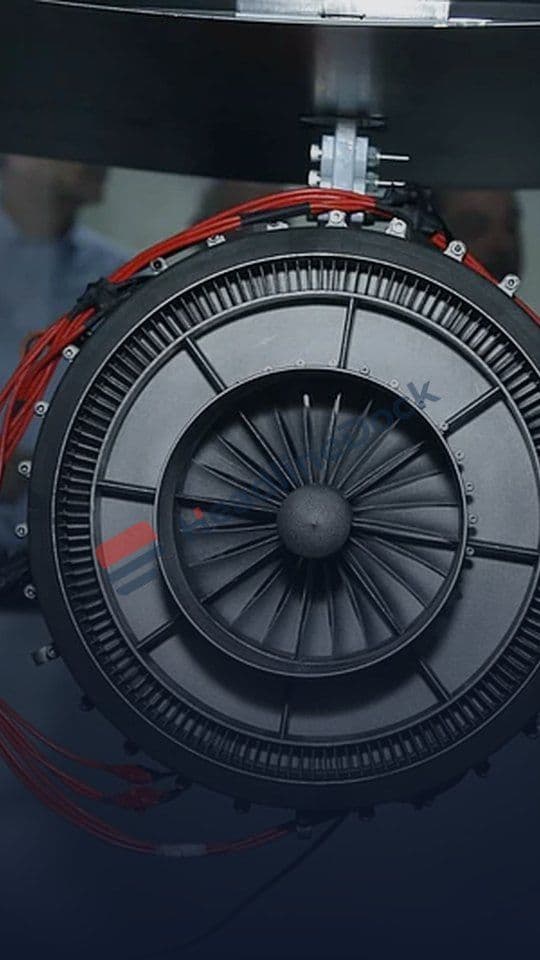
The development marks a significant advancement in domestic aerospace manufacturing and defence self-reliance.
Breaking the Tech Barrier: India’s First Homegrown Expendable Jet Engine Is Here
In a watershed moment for national defence sovereignty, India has officially crossed a major technological threshold. On July 22, 2026, the Gas Turbine Research Establishment (GTRE)—a premier laboratory under India’s Defence Research and Development Organisation (DRDO)—took delivery of the nation’s first indigenous 350 kg thrust class expendable turbo jet engine. Manufactured with precision by Hyderabad-based Azad Engineering, this engine represents more than just a piece of hardware; it signifies the maturing of India’s aerospace ecosystem from laboratory-based research to industrial-scale manufacturing.
For decades, mastering the complex metallurgy and thermodynamic precision required for jet propulsion has remained an "elite club" capability, reserved for only a handful of global powers. By successfully designing and assembling this engine domestically, India has effectively removed a critical dependency on foreign supply chains for short-duration aerial propulsion systems.
The Anatomy of the 350 kg Thrust Class Engine
The "expendable" designation is a critical distinction in aerospace engineering. Unlike the massive, high-bypass turbofans found on commercial airliners or the durable engines in fighter jets designed to operate for thousands of flight hours, an expendable turbojet is engineered for high-performance, short-duration missions. These engines are specifically designed to power systems like cruise missiles and long-range unmanned aerial vehicles (UAVs), where the mission concludes upon the vehicle’s impact or termination.
The 350 kg thrust class provides an optimal range for medium-sized weapon systems. By optimizing the engine for a single, intense flight path rather than longevity, engineers can maximize thrust-to-weight ratios and keep costs effective for large-scale deployment.
Engine Categorization and Use Cases
| Category | Technical Definition | Typical Use Case |
|---|---|---|
| Expendable Turbo Jet | Designed for single-use, high-intensity, short-duration operation. | Cruise missiles, tactical UAVs, and loitering munitions. |
| Sustainable Turbo Jet | Built for high reliability, long service intervals, and multi-mission durability. | Manned fighter aircraft, trainers, and commercial jets. |
Why This Matters for Strategic Autonomy
The successful development of this engine is a testament to the "Atmanirbhar Bharat" (Self-Reliant India) initiative. Historically, reliance on foreign-sourced propulsion units has created vulnerabilities in the defence supply chain. By bringing the manufacturing of complex aerospace components into the private sector—exemplified here by the synergy between DRDO and Azad Engineering—India is creating a scalable model for defence production.
This shift from centralized government-only development to a public-private partnership ensures that when designs are finalized by GTRE, the manufacturing infrastructure is ready to scale. This creates a resilient defence industrial base that can pivot quickly to meet the requirements of the armed forces without waiting for international procurement cycles.
Project Status and Reliability
As of late July 2026, the project has reached its delivery phase following successful realization and validation. There have been no reported performance failures or technical regressions during the development cycle. The delivery of this unit marks the conclusion of the initial R&D and manufacturing phase, moving the system toward integration trials.
Regarding the financial aspect, specific contract values and individual unit costs remain classified under Ministry of Defence protocols. Such projects are categorized as strategic R&D investments; therefore, the primary value is the technological independence gained.
Looking Ahead
The official announcement on July 23, 2026, by the Ministry of Defence, confirmed that this project is a historic milestone. For the Indian aerospace sector, the integration of this 350 kg thrust engine into the next generation of domestic cruise missiles and UAVs will be the next logical step. By mastering the core propulsion technology required for these systems, India has secured a vital component of its modern defence architecture, ensuring that its future fleet of unmanned and automated systems will be truly home-grown.
Frequently Asked Questions
What is an expendable jet engine?
An expendable engine is built for single-use, high-intensity, short-duration missions—such as powering cruise missiles or long-range drones—where the engine is expected to be destroyed upon impact at the end of the flight.
Why is this engine development significant for India's defence sector?
Mastering indigenous jet technology reduces dependency on expensive foreign imports and bolsters India’s defence supply chain, aligning with the Atmanirbhar Bharat initiative for strategic autonomy in advanced aeronautics.
Can this new engine be used in fighter aircraft?
This engine is specifically engineered for short-duration missions in cruise missiles and unmanned aerial vehicles, rather than the long-service-life requirements needed for manned fighter aircraft.