NRDC and NCISM MoU: Promoting Innovation in Indian Medicine
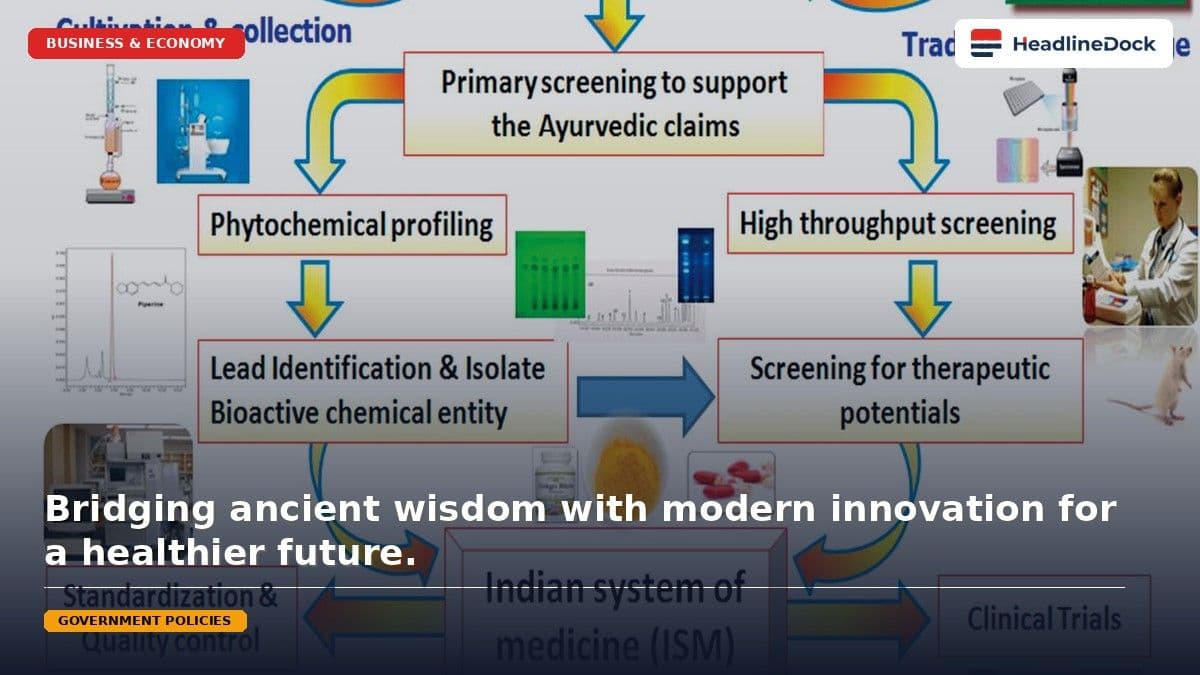
The National Research Development Corporation (NRDC) and the National Commission for Indian System of Medicine (NCISM) have signed an MoU to boost innovation in traditional Indian medicine. This partnership aims to improve IP management, technology commercialization, and institutional support for research within Ayurveda, Unani, Siddha, and Sowa-Rigpa systems.
Read it in Short
QUICK OVERVIEW
The NRDC and NCISM signed an MoU to accelerate IP management and commercialization of traditional medicine research.
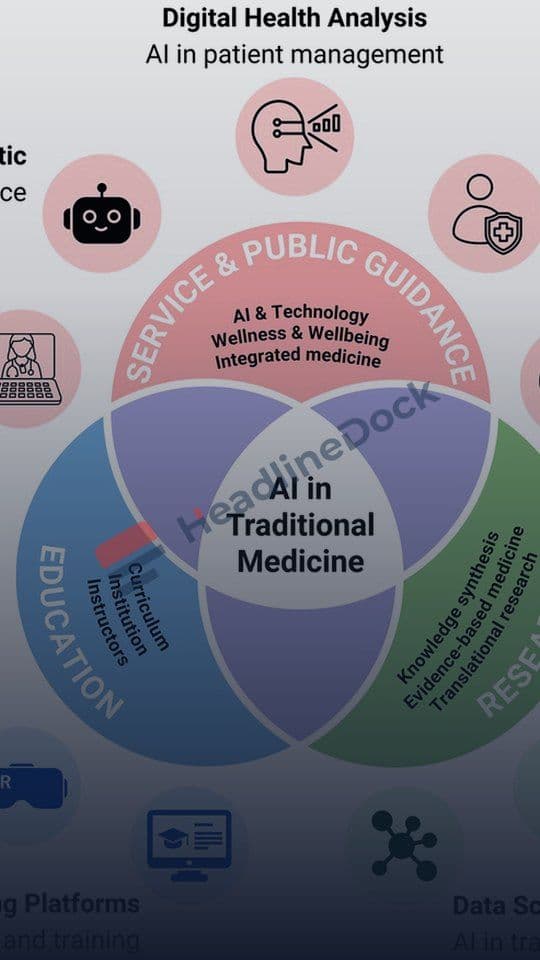
The partnership focuses on Ayurveda, Unani, Siddha, and Sowa-Rigpa systems to create market-ready healthcare solutions.
NRDC provides patent/trademark facilitation and technology valuation, while NCISM bridges the gap with clinical institutions.
Collaborative efforts will include mentoring, incubation support, ideathons, and hackathons via institutional RIED Cells.
NRDC and NCISM MoU: Promoting Innovation in Indian Medicine
For centuries, the Indian Systems of Medicine—including Ayurveda, Unani, Siddha, and Sowa-Rigpa—have served as the bedrock of traditional healthcare. Yet, despite their profound therapeutic potential, these systems have historically struggled to bridge the gap between ancient wisdom and the rigorous, patent-driven landscape of modern commercial healthcare. Many promising discoveries remained trapped in academic archives or clinical case studies, lacking the structured Intellectual Property (IP) framework necessary to bring them to the global market.
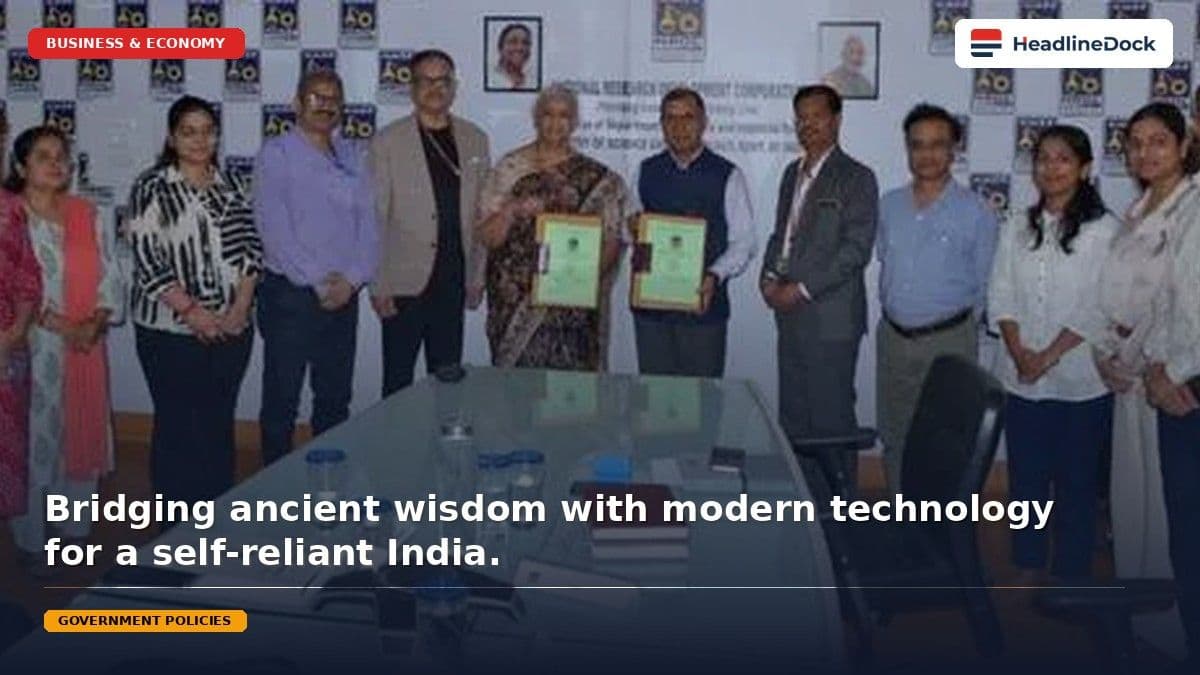
On July 23, 2026, a significant shift occurred in New Delhi. The National Research Development Corporation (NRDC) and the National Commission for Indian System of Medicine (NCISM) formalized a strategic Memorandum of Understanding (MoU), signaling a move toward an evidence-based, innovation-driven future. By aligning NRDC’s expertise in technology commercialization with NCISM’s deep reach into clinical and academic institutions, this partnership aims to transform traditional medicinal knowledge into scalable, market-ready healthcare solutions.
The Mechanics of the Innovation Pipeline
The core of this collaboration lies in professionalizing the journey from bench to bedside. Previously, an innovator or practitioner within the Indian Systems of Medicine might have faced insurmountable hurdles in navigating patent laws, technology valuation, and industry linkages. This MoU effectively streamlines these barriers through a dedicated institutional framework.
Key pillars of this new framework include:
- IP Management: The NRDC will provide specialized services in securing patents and trademarks, ensuring that traditional formulations and innovative medical technologies receive legal protection.
- Technology Assessment: By implementing standardized valuation models, the partnership will help determine the commercial viability of research outcomes.
- Institutional Integration: The collaboration leverages the network of Research, Innovation, and Entrepreneurship Development (RIED) Cells, acting as the grassroots nodes where innovation is identified and cultivated.
- Capacity Building: Through organized ideathons, hackathons, and structured mentoring, the partnership fosters an environment where traditional knowledge meets modern entrepreneurial strategy.
Comparison: Transforming the Traditional Research Landscape
| Feature | Pre-MoU Framework | Post-MoU Framework |
|---|---|---|
| IP Guidance | Scattered and often unavailable | Dedicated NRDC Support |
| Commercialization | Unstructured and informal | Standardized Tech Transfer |
| Practitioner Access | Limited/Isolated | Unified via RIED Cells |
| Goal Alignment | Independent academic research | Unified Innovation Strategy |
Why This Matters: Economic and Clinical Impact
This partnership is a critical step toward an "innovation-driven and self-reliant India." By creating a robust mechanism to convert research into deployable technology, the collaboration reduces reliance on imported medical tech while bolstering the local biotech and healthcare sectors.
Cmde. Amit Rastogi (Retd.), CMD of NRDC, noted that the collaboration is designed to ensure promising research translates into commercially viable technologies with tangible societal impact. Similarly, Dr. Maneesha Kothekar, Chairperson of NCISM, emphasized that the partnership provides a pathway for practitioners to develop "evidence-based technologies," which is essential for gaining the trust of the global medical community and formalizing traditional systems within contemporary healthcare.
Implementation and Navigation
As of July 2026, the MoU functions as a foundational policy framework rather than a commercial product launch. Financial and technical engagements are negotiated on a per-project basis directly between NRDC and the respective institutions or innovators.
How to Engage with the New Framework:
For practitioners and researchers looking to leverage this partnership, the primary point of entry is through your institution’s RIED Cell. If you are an innovator:
- Consultation: Reach out to your local RIED Cell to express interest in the NRDC commercialization pathway.
- Documentation: Ensure your research is documented according to the standards required for technology assessment.
- Direct Negotiation: Prepare for project-specific discussions regarding IP filing and licensing, which will be facilitated by the institutional partnership.
The structured support from NRDC and NCISM serves as an essential bridge, ensuring that the legacy of India’s traditional medicine is preserved, protected, and propelled into the future of global healthcare.
Frequently Asked Questions
What is the primary purpose of the NRDC-NCISM MoU?
The MoU aims to establish a framework for identifying, protecting, and commercializing intellectual property and innovative technologies within Indian Systems of Medicine.
Which medical systems are covered by this partnership?
The partnership focuses on the Ayurveda, Unani, Siddha, and Sowa-Rigpa medical systems.
How can individual practitioners benefit from this MoU?
NCISM will link NRDC with registered practitioners, offering them IP protection, mentoring, and support to bring evidence-based products to market.
What is the role of RIED Cells in this collaboration?
RIED (Research, Innovation and Entrepreneurship Development) Cells are the institutional nodes used to identify potential technologies and share innovation awareness.