FDA Proposes New Tobacco Rule to Regulate Foreign Manufacturers
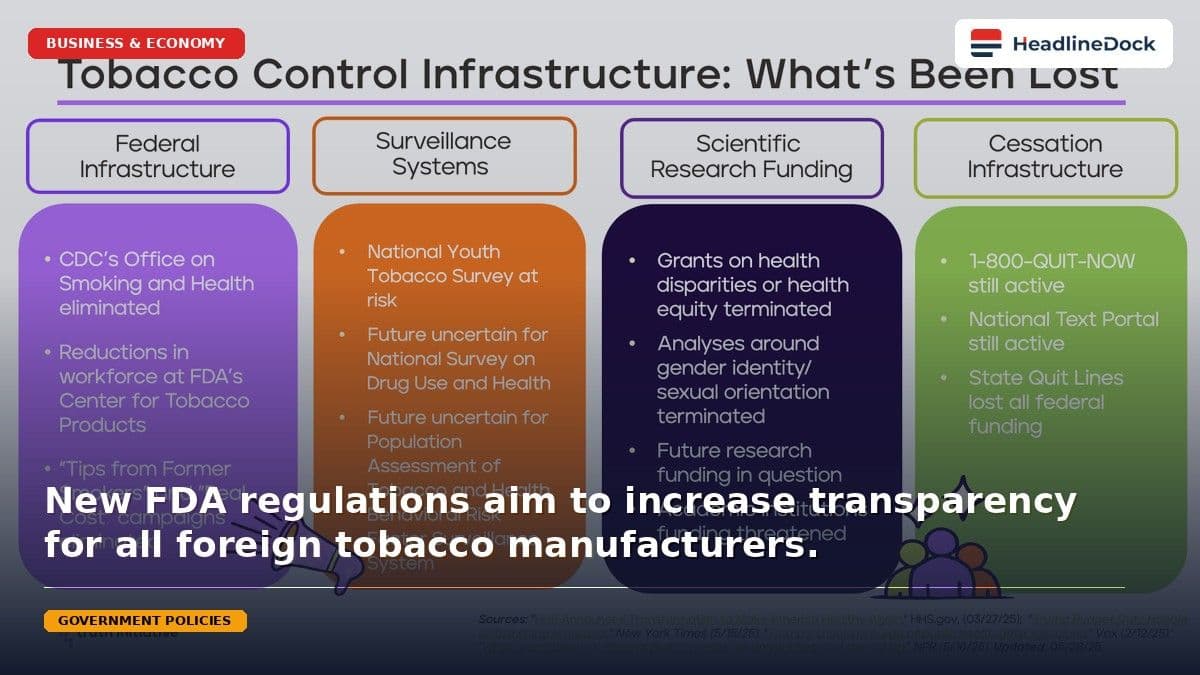
The FDA has proposed a new rule requiring all domestic and foreign tobacco manufacturers to register and provide detailed product listings. This initiative aims to close regulatory gaps, enhance oversight of imported e-cigarette products, and ensure all companies operating in the U.S. market adhere to consistent safety standards.
Read it in Short
QUICK OVERVIEW
FDA proposes mandatory registration and product listing for all domestic and foreign tobacco manufacturers.
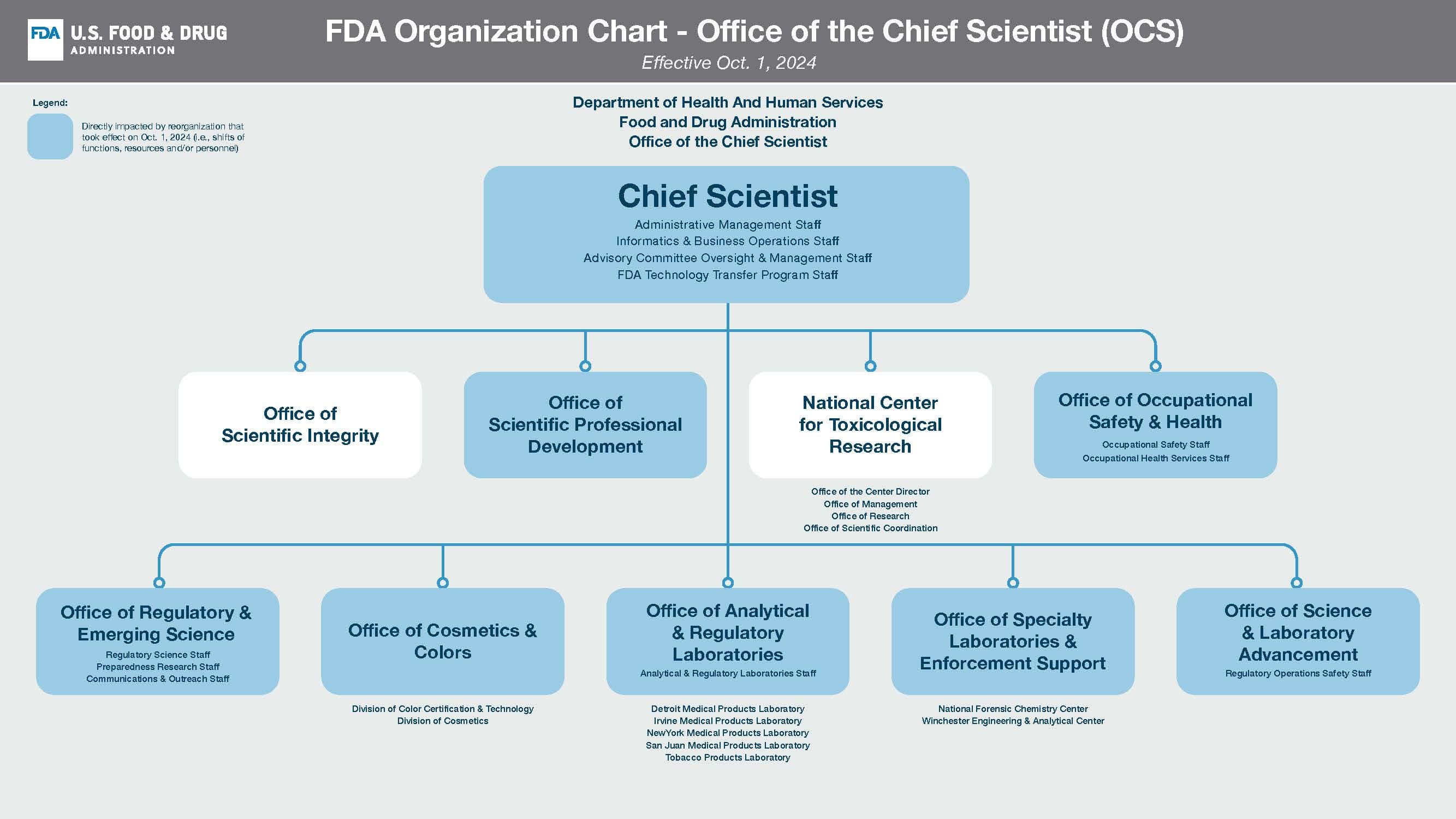
New rules target electronic nicotine delivery systems to increase transparency and block unauthorized imports.
Manufacturers must report detailed technical data including nicotine levels, battery capacity, and flavor profiles.
Public comments on the proposal are being accepted through the official government portal until September 14, 2026.
FDA Proposes New Tobacco Rule to Regulate Foreign Manufacturers
For years, the U.S. tobacco and e-cigarette market has operated under a bifurcated reality. While domestic manufacturers have faced rigorous oversight, a significant volume of foreign-produced tobacco products—particularly electronic nicotine delivery systems (ENDS)—has entered the U.S. market with limited transparency. This regulatory gap has made it difficult for the U.S. Food and Drug Administration (FDA) to effectively monitor, inspect, and identify unauthorized products. That landscape is now shifting.
On June 29, 2026, the FDA published a proposed rule in the Federal Register (Docket No. FDA-2025-N-7130) titled "Establishment Registration and Product Listing for Tobacco Products." This proposal is designed to harmonize the requirements for domestic and foreign manufacturers, ensuring that any facility producing tobacco products for the U.S. market is held to the same standard of accountability.
Closing the Regulatory Gap: What the Proposal Changes
The proposed rule is a tactical expansion of the FDA’s oversight capabilities. By requiring both foreign and domestic establishments to register with the agency and provide detailed product listings, the FDA aims to eliminate the "blind spots" that have allowed unauthorized vapes to proliferate. If finalized, the rule will effectively force foreign manufacturers to choose between full transparency and an exit from the U.S. market.
The core objective, as articulated by Bret Koplow, Acting Director of the FDA’s Center for Tobacco Products, is simple: "all companies selling tobacco products in the United States should play by the same rules."
Comparison: Current Status vs. Proposed Requirements
The transition from a system of limited oversight to one of total transparency requires manufacturers to adhere to specific reporting standards. The table below outlines the primary shifts for foreign manufacturers.
| Feature | Current Status (Foreign) | Proposed Rule Requirement |
|---|---|---|
| Establishment Registration | Generally not required | Mandatory for all manufacturers |
| Product Listing | Limited/Contextual | Mandatory annual listing |
| Reporting Frequency | N/A | Annual registration; biannual updates |
| Data Granularity | N/A | Nicotine, flavors, battery, wattage |
| Record Retention | N/A | 4-year requirement for ads/labels |
Data-Driven Accountability
Under the new proposal, the FDA is demanding highly specific technical data. For e-cigarette manufacturers, this includes reporting nicotine concentrations, source materials, flavor profiles, e-liquid volumes, battery capacity, and device wattage. This level of granularity is vital; it allows the FDA to catalog products as they move through the supply chain.
Legal observers at Alston & Bird have noted that this is a proactive defense against the surge of unauthorized, youth-appealing imported products. By requiring these details, the FDA can better identify "misbranded" items at ports of entry, triggering immediate import alerts and potential seizures.
The Path to Compliance: Challenges and Solutions
While the regulation is a win for public health oversight, industry stakeholders have raised concerns regarding administrative feasibility. Companies with high-volume, rapidly changing product catalogs may struggle with the requirement to update their listings twice a year.
Troubleshooting for Manufacturers
To avoid enforcement actions, such as being barred from the U.S. market or having goods seized, manufacturers should consider the following steps:
- System Integration: Move away from manual reporting to an automated data management system that tracks SKUs against the FDA’s electronic submission portal.
- Record Archiving: Implement a digital document management protocol to ensure that all labeling and advertising materials are preserved for the mandated 4-year retention period.
- Audit Schedules: Establish a quarterly internal audit to ensure that any new product iterations—such as hardware changes or new nicotine concentrations—are captured before the FDA biannual deadline.
Market Impact and Future Outlook
While the rule does not set a product price, the economic consequences are significant. Analysts at 2Firsts describe this as a "full-chain compliance test." The costs associated with registration, data collection, and potential on-site inspections will likely serve as a barrier to entry for smaller, non-compliant manufacturers.
This may lead to a contraction in the variety of available imported vaping products, potentially shifting retail pricing as the market consolidates around players with the resources to maintain high-level compliance. The public comment period for this rule remains open until September 14, 2026. Following this window, the FDA will move toward drafting a Final Rule, marking a permanent shift in how the U.S. monitors global tobacco imports.
Frequently Asked Questions
Does this rule apply to domestic manufacturers too?
Yes, the rule applies to both foreign and domestic establishments that manufacture, prepare, compound, or process tobacco products.
How do I submit comments on this proposal?
Comments must be submitted by September 14, 2026, through the official Regulations.gov website.
What specifically do e-cigarette manufacturers need to report?
Manufacturers must provide technical details including nicotine concentration, source, flavors, e-liquid volume, battery capacity, wattage, and a unique identification number.
Why is the FDA doing this?
The goal is to eliminate regulatory blind spots, allowing the FDA to better identify and inspect unauthorized, youth-appealing imported e-cigarette products.
What is the penalty for not complying?
Failure to comply generally results in products being deemed misbranded, which subjects them to seizure, import alerts, or other enforcement actions.