Urban Flooding: Why Cities Flood and Who Is Accountable

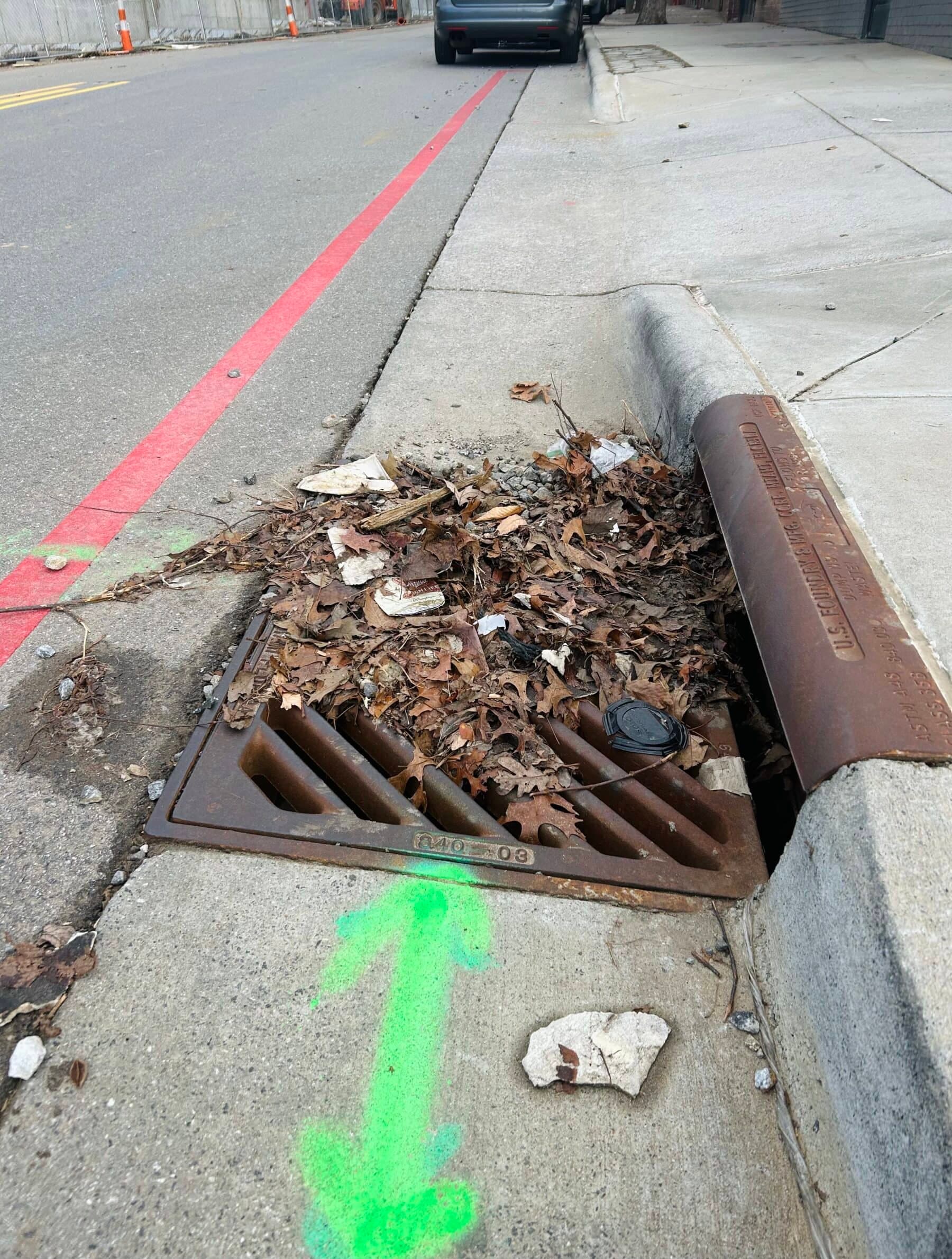
The Ministry of Housing and Urban Affairs has clarified that urban flooding and drainage maintenance are primarily the responsibility of State Governments and local authorities. Despite central government financial support via AMRUT schemes, local ULBs must address infrastructure gaps, unplanned growth, and the neglect of natural water drainage systems.
Read it in Short
QUICK OVERVIEW
Urban flood management and drainage maintenance are primarily the responsibility of State Governments and local Urban Local Bodies (ULBs).

The central government supports local efforts through technical guidelines and financial assistance under schemes like AMRUT 1.0 and 2.0.
Primary causes of urban flooding include high-intensity rainfall, unplanned urban growth, and the encroachment of natural water bodies.
The MoHUA has developed critical frameworks such as the SOP for Urban Flooding and the Manual on Storm Water Drainage to standardize response efforts.
Urban Flooding: Why Cities Flood and Who Is Accountable
On July 20, 2026, the Ministry of Housing and Urban Affairs (MoHUA) issued a definitive clarification in the Rajya Sabha regarding the recurring crisis of urban flooding. As major Indian cities continue to grapple with severe waterlogging and infrastructure failure during the monsoon, the central government has clearly delineated the boundaries of governance: urban drainage maintenance and flood management are the primary responsibility of State Governments and local Urban Local Bodies (ULBs).
This statement highlights a critical "accountability gap." While citizens often look to national schemes for relief, the operational failure to clear a drain before a downpour is a failure of local administration, not a lack of central policy. Understanding this distinction is essential for residents who wish to advocate for better infrastructure in their own neighborhoods.
The Triple Threat: Why Cities Are Flooding
The Ministry identifies three primary drivers behind the current crisis. First, the nature of rainfall has shifted; we are seeing high-intensity, short-duration events that legacy drainage systems were never engineered to handle. Second, unplanned urban expansion has frequently occurred without regard for natural topography. Finally, the systemic encroachment of natural water bodies—which previously acted as sponges for excess runoff—has removed the city's natural defense mechanism against flooding.
Evolution of Mitigation: AMRUT 1.0 vs. AMRUT 2.0
The Government of India has transitioned from isolated, small-scale drainage projects toward a more holistic, integrated planning approach. The shift from AMRUT 1.0 (launched in 2015) to AMRUT 2.0 reflects a realization that drainage requires nature-based solutions and the restoration of natural landscape features.
| Feature | AMRUT 1.0 (2015) | AMRUT 2.0 |
|---|---|---|
| Sewerage/Septage Network | 888 Projects (22,539 km) | 605 Projects (40,021 km) |
| Green Spaces/Parks | 2,522 Projects (5,400 acres) | 1,649 Projects (12,750 acres) |
| Water Body Rejuvenation | Not Specified | 2,951 Projects (1.21 lakh acres) |
The data suggests a strategic pivot: while the number of projects under AMRUT 2.0 appears lower in some categories, the scale and impact—particularly regarding sewer network reach and water body rejuvenation—are significantly more ambitious, shifting from "patchwork repairs" to "systemic resilience."
A Regulatory Roadmap for Urban Resilience
The Ministry has published a suite of manuals and frameworks designed to standardize responses. Key documents include:
- URDPFI Guidelines (2014): The foundation for regional development planning.
- River Centric Urban Planning Guidelines (2021): Encourages cities to work with natural hydrology.
- SOP for Urban Flooding (2025): A standardized protocol for managing flood disasters.
- Manual on Storm Water Drainage System: The technical engineering reference for drainage design.
Common Challenges in Urban Flood Management
Despite these frameworks, "last-mile" failures remain common. If you are experiencing repeated flooding, these are the systemic bottlenecks likely affecting your area:
1. The Desilting Deficit
Pre-monsoon cleaning is the most critical maintenance task, yet it lacks centralized oversight. Because funds and execution are decentralized at the ULB level, quality control varies by ward. If drains are clogged with construction debris, even the best-engineered system will fail.
2. The Topography Trap
Urban developers often flatten land to maximize real estate footprint, ignoring natural slopes. When developers build over natural drainage basins, they effectively turn streets into canals. Fixing this requires stricter enforcement of building bylaws that prioritize natural runoff paths.
3. Infrastructure Lag
Many urban centers operate on sewage systems designed decades ago for lower population densities. Upgrading these involves capital-intensive, disruptive construction. Consequently, many cities rely on "band-aid" fixes rather than comprehensive overhauls.
Timeline: A Decade of Policy Evolution
- 2015: Launch of the Atal Mission for Rejuvenation and Urban Transformation (AMRUT).
- 2021: Release of River Centric Urban Planning Guidelines.
- 2025: Overhaul of SOPs for Urban Flooding and technical drainage manuals.
- 2026 (July 20): MoHUA formally reaffirms that ULBs hold the primary mandate for drainage maintenance.
The government acts as a facilitator, providing technical manuals and financial top-ups through schemes like AMRUT. However, the effective delivery of these services—the physical clearing of drains and the strict enforcement of zoning laws—rests with the municipal authorities you elect to serve your local area.
Frequently Asked Questions
Who is responsible for cleaning drains in my city?
Drainage and sewerage maintenance, including pre-monsoon cleaning, are the responsibility of your local Urban Local Body (ULB) or Municipal Authority.
What is the central government doing about urban floods?
The Government of India provides financial and technical support through schemes like AMRUT and issues national-level guidelines and SOPs for better urban planning.
Are there guidelines on how cities should handle floods?
Yes, MoHUA has published a Standard Operating Procedure (SOP) for Urban Flooding and a Manual on Storm Water Drainage System.
How are drainage projects funded?
Projects are taken up by states/UTs; the central government supplements these efforts through AMRUT 1.0 and 2.0 funding components.