Tax Compliance Now Required to Purchase Subsidized Fuel in NTT

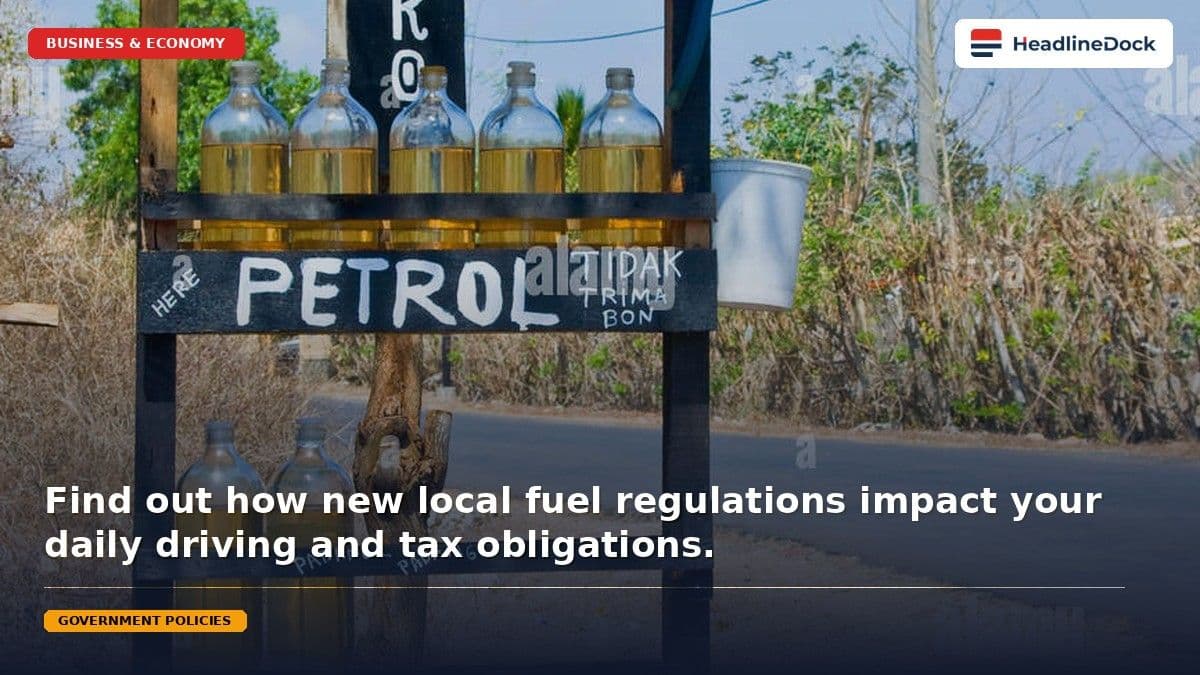
The Nusa Tenggara Timur government has enforced a new policy requiring vehicle tax payments to access subsidized fuel. This measure, aimed at ensuring equity, restricts subsidized Pertalite and Biosolar for vehicles with outstanding taxes or out-of-region plates to preserve state resources for compliant taxpayers.
KEY TAKEAWAYS
1 MIN READ- New provincial regulations mandate tax compliance to purchase subsidized fuel.
- Vehicle Tax status is now a key requirement for accessing fuel subsidies.
- Policy targets vehicles with unpaid taxes and those with out-of-region plates.
- Governor emphasizes fiscal equity and responsible use of government resources.
Authorities in Nusa Tenggara Timur (NTT) have reinforced a strict policy mandating the payment of Vehicle Tax as a prerequisite for accessing subsidized fuel. This directive, established under Governor Regulation Number 13 of 2025, aims to ensure that government energy support reaches only those who fulfill their fiscal obligations to the region.
The regulation addresses growing concerns regarding the rapid depletion of subsidized fuel quotas at local gas stations. Official evaluations indicated that a significant portion of this fuel was being consumed by vehicles registered outside the province or by those failing to settle their outstanding tax liabilities. By linking fuel access to tax compliance, the provincial government intends to promote a culture of fiscal responsibility and fairness among road users.
Enforcing Fiscal Fairness at Gas Stations
Under the new rules, only vehicles with NTT license plates—specifically those bearing codes DH, EB, or ED—are eligible to purchase subsidized Pertalite or Biosolar, provided that their motor vehicle tax is fully paid. Conversely, all vehicles registered in other jurisdictions, as well as local vehicles with unpaid tax arrears, are barred from these discounted fuel options until they resolve their outstanding dues.
Governor Melki Laka Lena emphasized that the primary motivation behind this policy is the establishment of social and fiscal equity. He argued that residents who diligently contribute to regional development through taxation should not be penalized by fuel shortages caused by individuals who neglect their duties. The administration stressed that this initiative is not intended to create unnecessary hardship but to ensure that public infrastructure and state-supported benefits are managed responsibly.
The policy represents a broader push toward improving regional revenue management and ensuring that subsidized fuel is distributed in a manner consistent with its intended purpose. The NTT government remains committed to protecting the rights of compliant taxpayers while optimizing the use of limited government resources to better serve the community at large.