Dutch Inquiry Highlights Controversies Surrounding COVID-19 Curfew and Governance Decisions
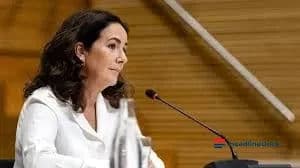
A parliamentary inquiry into the Dutch COVID-19 response has revealed significant criticism of the mandatory curfew. Former police chief Henk van Essen and Amsterdam Mayor Femke Halsema testified that the measures were deeply controversial and often complicated the balance between public safety and personal liberty.
KEY TAKEAWAYS
1 MIN READ- Former police chief Van Essen testified the curfew was not necessary for enforcement.
- Mayor Femke Halsema criticized the curfew as a major infringement on personal freedom.
- Testimony revealed tensions between national government mandates and local police enforcement realities.
- The inquiry highlighted the severe negative social impact of pandemic measures on young people.
During the ongoing parliamentary inquiry into the Dutch handling of the COVID-19 pandemic, significant insights have emerged regarding the implementation of the curfew. Former national police chief Henk van Essen and Amsterdam Mayor Femke Halsema provided testimony before the commission, highlighting the friction between national mandates and local enforcement realities.
Henk van Essen, who served as the national police chief starting in April 2020, testified that the police force did not consider the curfew—introduced in early 2021—to be necessary from an enforcement perspective. He noted that he conveyed these concerns to the government, which nonetheless proceeded with the measure based on perceived medical necessity. Van Essen also emphasized that the focus on enforcing the curfew diverted valuable resources away from other essential police duties.
Challenges of Pandemic Enforcement and Governance
The testimony further shed light on the broader social impacts of government policies. Femke Halsema, the Mayor of Amsterdam, expressed deep reservations about the curfew, labeling it a severe form of deprivation of liberty. She pointed out that as the crisis progressed, the government’s approach became increasingly focused on repression, which strained the relationship between the state and its citizens. Halsema noted that Amsterdam frequently became a national symbol for these tensions, as local authorities were often left to manage protests and unrest caused by the national directives.
The Mayor also highlighted the emotional toll the pandemic took on vulnerable groups, particularly the youth. She initiated a local working group to assess the social impact, but noted that the government often struggled to translate these concerns into policy due to the overriding focus on virus containment. Reflecting on the democratic process, Halsema admitted that while the crisis measures were deemed necessary at the time, the long-term impact on the democratic order and the reliance on emergency legislation created a vulnerable situation for local governance.
Both witnesses emphasized the difficulty of maintaining consistent communication during the pandemic. Van Essen criticized the lack of clarity from political leaders, which complicated the work of police officers on the ground who faced mounting public anger. Halsema concluded that while the period was exceptionally challenging, she remained steadfast in her duty, even when faced with significant criticism regarding the management of public order and the handling of demonstrations in the capital.