Calls Intensify for Venezuelan TPS Status Following Destructive Earthquakes in Home Country
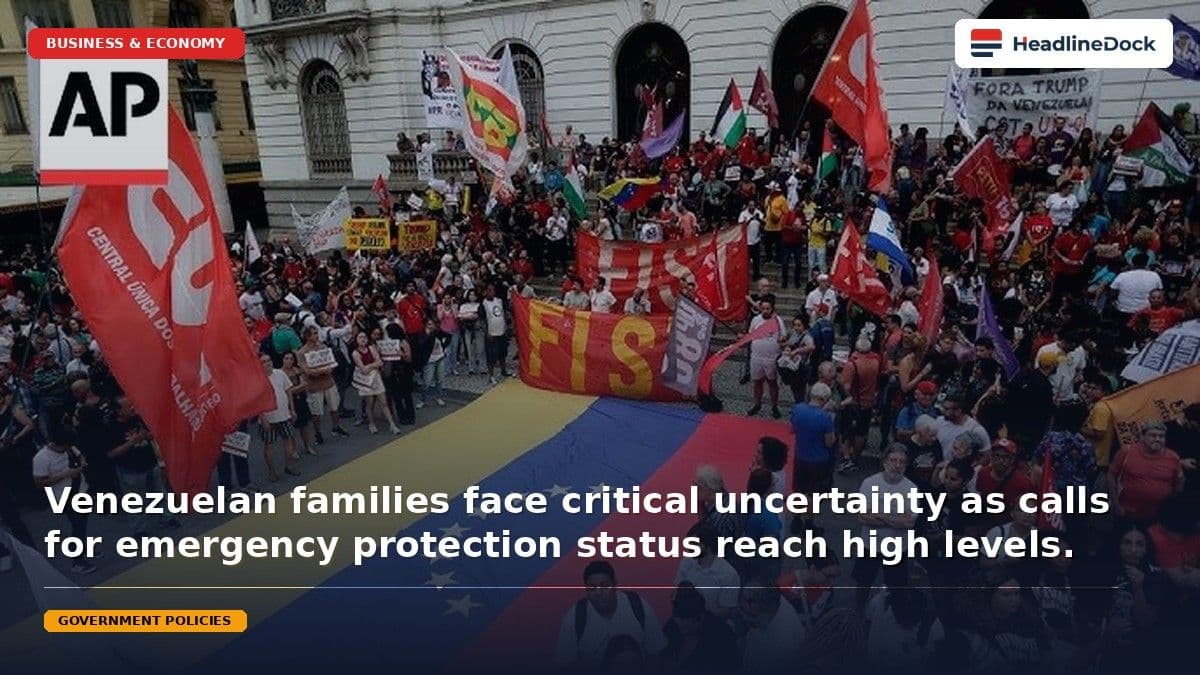
In the wake of fatal earthquakes in Venezuela, the diaspora in the U.S. is pushing for the Estatus de Protección Temporal (TPS). Advocates argue that work authorization is essential for humanitarian aid, despite recent legal hurdles following a Supreme Court ruling on immigration.
KEY TAKEAWAYS
1 MIN READ- The earthquakes in Venezuela have resulted in over 2,200 deaths and widespread destruction of infrastructure.
- Advocates are urgently calling for the reinstatement of the Estatus de Protección Temporal (TPS) for Venezuelans in the U.S.
- A recent U.S. Supreme Court ruling has increased the administrative discretion of the DHS over TPS designations.
- Bipartisan congressional efforts are underway to stop deportations and support affected families via legal work permits.
The Venezuelan community residing in the United States is facing a period of intense uncertainty and distress following a series of devastating earthquakes that struck Venezuela. As families grapple with the aftermath of these natural disasters, advocates are intensifying calls for the federal government to grant or renew the Estatus de Protección Temporal (TPS). This humanitarian designation is seen as a vital lifeline, potentially protecting thousands from deportation and providing a pathway to formal employment.
Recent reports indicate that the earthquakes have resulted in at least 2,295 fatalities, over 11,000 injuries, and significant damage to tens of thousands of structures. Community leaders, such as Adelys Ferro of the Venezuelan American Caucus, have described the current atmosphere as one of profound shock and desperation. With many Venezuelans unable to reach their loved ones or provide direct support, the need for legal protections in the U.S. has become a critical priority.
The Impact of Legal Protections on Humanitarian Aid
The conversation surrounding the Estatus de Protección Temporal gained new urgency following a significant ruling by the U.S. Supreme Court. This decision has effectively reinforced the discretion held by the Department of Homeland Security (DHS) regarding the termination or modification of humanitarian statuses. Advocates argue that this development threatens the stability of approximately 600,000 Venezuelans currently in the country who have previously relied on TPS protections.
Supporters of the measure, including Florida Representative María Elvira Salazar, contend that the current humanitarian crisis in Venezuela meets all necessary criteria for TPS designation. They emphasize that providing legal work permits would empower the Venezuelan diaspora to send critical remittances back home, which are essential for those struggling in the disaster-stricken regions. By enabling these immigrants to work legally, advocates argue that the United States could facilitate a more robust support system for victims of the seismic activity.
Despite the legal hurdles, a coalition of congressional members has officially urged the administration and Secretary of State Marco Rubio to halt deportations to Venezuela immediately. The collective request emphasizes that sending individuals back to a nation currently navigating a catastrophic natural disaster is unsustainable. As the community continues to mobilize for aid, the focus remains on whether the government will acknowledge these calls to provide a temporary, yet life-changing, measure of security for vulnerable families.