Strait of Hormuz Conflict: Oil Tanker Attack Sparks Global Shipping Tensions
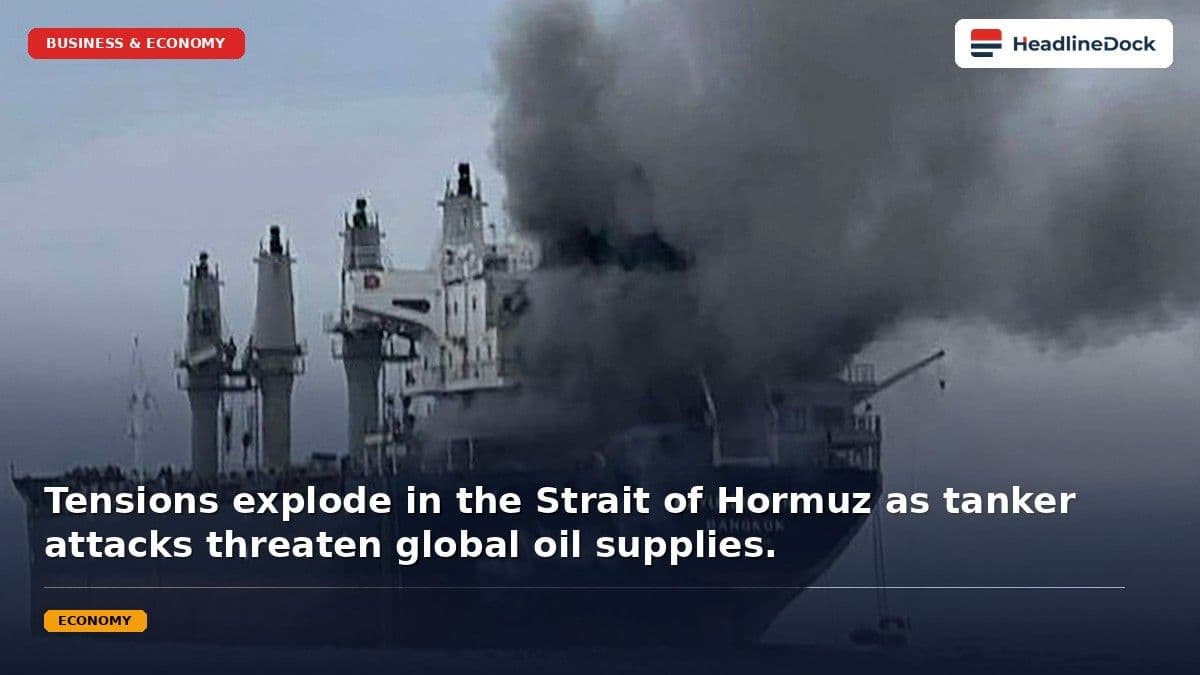
Hostilities between Iran and the U.S. have escalated following an attack on oil tankers in the Strait of Hormuz. The incident resulted in an Indian sailor's death, triggering diplomatic summons by India and the implementation of a U.S.-led naval blockade in the region.
Read it in Short
QUICK OVERVIEW
An attack on two oil tankers in the Strait of Hormuz resulted in the death of one Indian sailor and multiple injuries.

India has summoned Iranian diplomats to address the incident and demand accountability for the safety of its citizens.

The U.S. has implemented a naval blockade and cargo charges in the region, citing security concerns and Iranian aggression.

Iran has introduced new legislation to manage the Strait, further complicating the geopolitical situation in the Persian Gulf.
Escalating hostilities in the Strait of Hormuz have led to a critical maritime incident involving two UAE-flagged oil tankers, resulting in casualties and prompting immediate diplomatic intervention by India. The attack, which claimed the life of an Indian sailor and left several other crew members injured, has drawn sharp condemnation and intensified regional tensions between Iran and the United States. As global energy markets closely watch the situation, the ongoing volatility threatens the stability of one of the world's most vital maritime chokepoints.
Why is the Strait of Hormuz so volatile?
The Strait of Hormuz serves as a critical artery for global oil transport, making it a high-stakes arena for geopolitical friction. Recent events have seen Iran attempt to assert control over the waterway, introducing legislative measures aimed at managing transit through the region. This follows a series of reciprocal military strikes between the U.S. military and Iranian forces, which have included targeted actions against naval assets, air bases, and infrastructure across multiple locations in the Gulf.
The incident involving the commercial tankers highlights the growing danger to international shipping. Reports suggest that the vessels were targeted by cruise missiles after allegedly ignoring warnings and deactivating their navigation systems. While U.S. Central Command has initiated a blockade of Iranian ports and imposed cargo charges to secure the passage, the situation remains fluid. Diplomatic channels are actively being utilized, evidenced by India summoning Iranian diplomats to express urgent concerns regarding the safety of its nationals and the broader security implications of the attack.
Frequently Asked Questions
What impact has the conflict had on global oil prices?
The instability in the region has caused significant concern, leading to a notable rise in oil prices. Brent crude and U.S.-traded oil have both experienced fluctuations as markets react to the potential disruption of energy shipments passing through this essential waterway.
How has the international community responded to the tanker attacks?
The attacks have been widely condemned as a breach of international law. Several nations are monitoring the situation, with countries like India engaging in direct diplomatic dialogues with Iran to demand accountability for the harm caused to commercial crews.
Source Statement
This briefing is distilled from the original source to provide you with clear, structured insights for immediate value.
Read the full source story: Escalating Tensions Threaten Vital Oil Tanker Shipping Routes in Hormuz, Escalating Tensions Threaten Vital Oil Tanker Shipping Routes in Hormuz