Belarus Strengthens Ties With China Amid Growing Regional Security Pressures
Amid growing regional security pressures, Belarus has initiated a diplomatic and economic pivot to China. By hosting the first Belarusian-Chinese Regional Forum, Minsk aims to transform its industrial sector and secure its geopolitical position through deeper strategic alliances with Beijing within the Belt and Road framework.
KEY TAKEAWAYS
1 MIN READ- Belarus held its first regional forum with China in Lanzhou to strengthen industrial and economic ties.
- First Deputy PM Mikalai Snapkou highlighted Belarus as a strategic gateway to the Eurasian Economic Union.
- The initiative seeks to integrate Chinese technology with Belarusian mechanical engineering and IT sectors.
- Belarus is leveraging the Belt and Road Initiative while navigating complex regional security pressures.
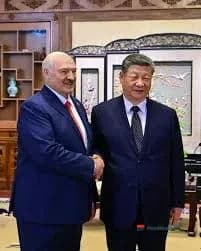
As international scrutiny intensifies, Belarus has undertaken a significant diplomatic initiative, balancing complex regional security pressures with a push to deepen its economic ties with China. This dual-track strategy follows high-stakes discussions involving regional leaders, as Minsk seeks to secure its geopolitical standing while navigating the volatile landscape of the ongoing war in Ukraine.
In a move to bolster its economic framework, Belarus held the inaugural Belarusian-Chinese Regional Forum on July 1 in Lanzhou. Mikalai Snapkou, the First Deputy Prime Minister of Belarus, positioned his nation as a vital bridge between the Eurasian Economic Union and the broader European market. By leveraging the Belt and Road Initiative, Belarus aims to transition from a traditional transit route into a robust platform for deep industrial processing and high-tech manufacturing.
Strategic Alignment and Economic Integration
The forum emphasized a vision of Belarus as a modern gateway, offering Chinese investors access to a market of over 180 million people. Snapkou highlighted the country’s legal protections, access to the Great Stone Industrial Park, and a skilled workforce as key advantages for foreign partners. The government intends to integrate Chinese technological expertise with its own strengths in mechanical engineering and agriculture, framing this collaboration as a revival of the historic Great Silk Road within a contemporary technological context.
Beyond economic figures, the leadership in Minsk is attempting to project an image of stability to its Chinese counterparts. Amidst reports of heightened security tensions, including concerns over drone operations and potential border provocations involving NATO member states like Lithuania and Poland, Belarus continues to maintain its role as a strategic hub. While Lukashenko has navigated significant domestic and external pressures, the recent diplomatic outreach suggests a concerted effort to foster long-term, systemic cooperation with Beijing.
The partnership also encompasses a cultural and humanitarian dimension. Belarus aims to facilitate joint educational, tourism, and healthcare initiatives to cement what it describes as a unique compatibility of values with China. By encouraging direct interpersonal connections, the regime hopes to build a foundation of mutual trust, framing the relationship as a pillar of future national development. As Belarus navigates this complex path, the support of China remains a critical component in its broader effort to maintain autonomy and ensure the survival of its current political trajectory.