NRDC and NCISM Form Strategic Partnership for Traditional Medicine Innovation
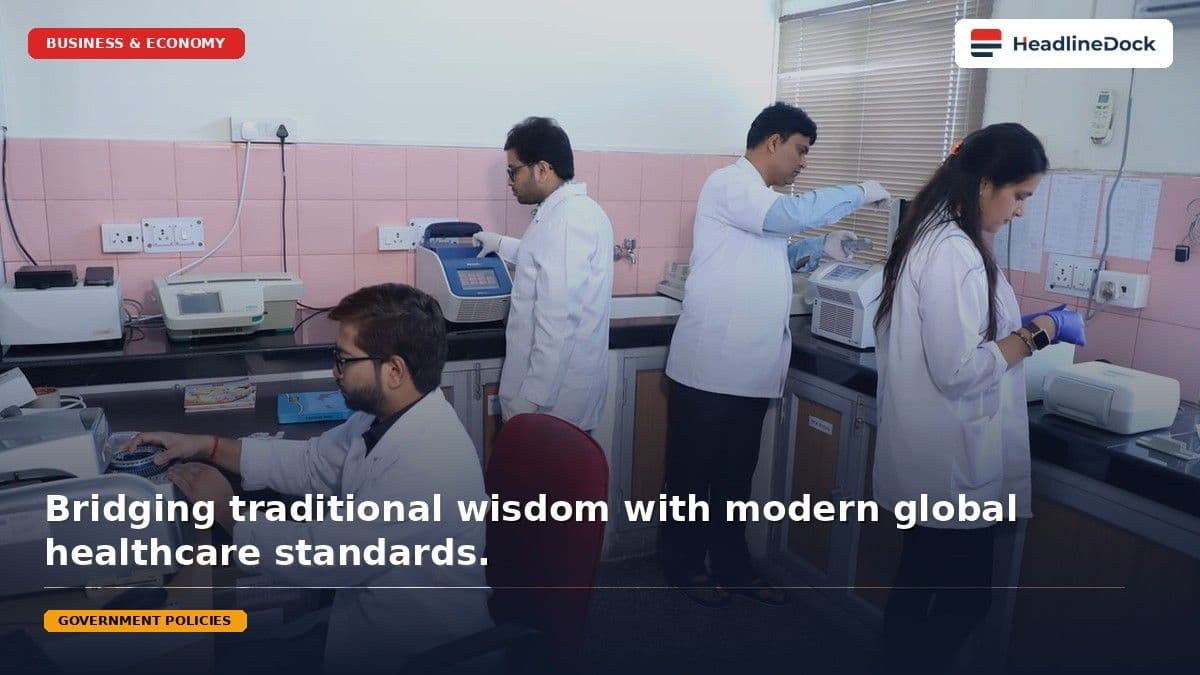
On July 23, 2026, the NRDC and NCISM signed a strategic MoU to accelerate innovation in traditional medicine. The partnership provides a framework for intellectual property protection, technology commercialization, and industry-sponsored research, aiming to bridge the gap between academic clinical research and global market-ready healthcare solutions.
Read it in Short
QUICK OVERVIEW
NRDC and NCISM have launched a strategic partnership to boost innovation in traditional medicine systems.
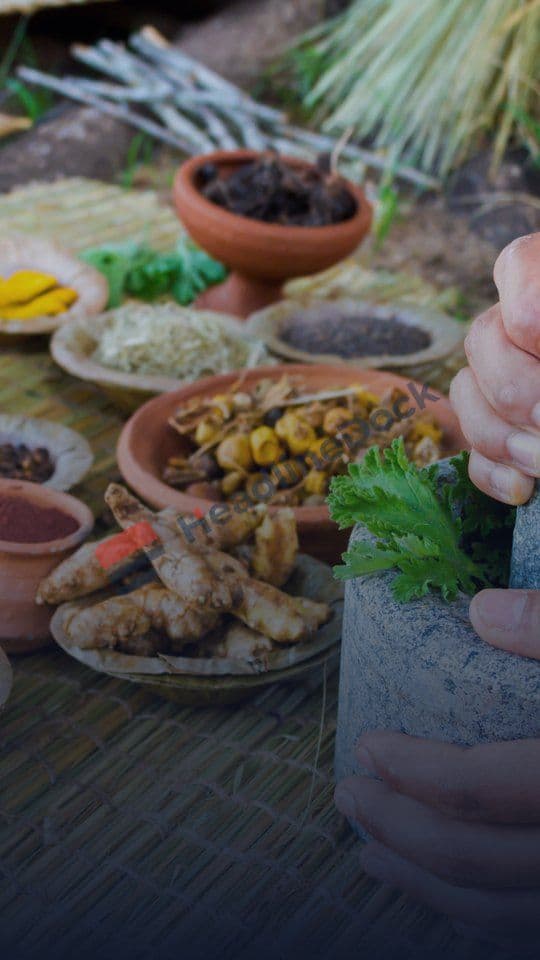
The framework prioritizes intellectual property management, including patent facilitation and copyright protection.
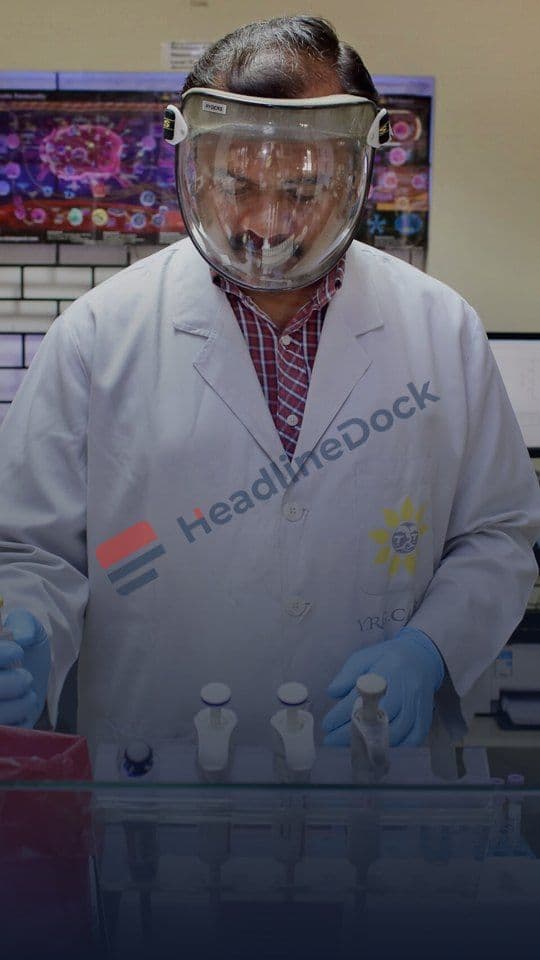
Institutions will utilize RIED Cells to interface with NRDC for commercialization and industry-sponsored research.
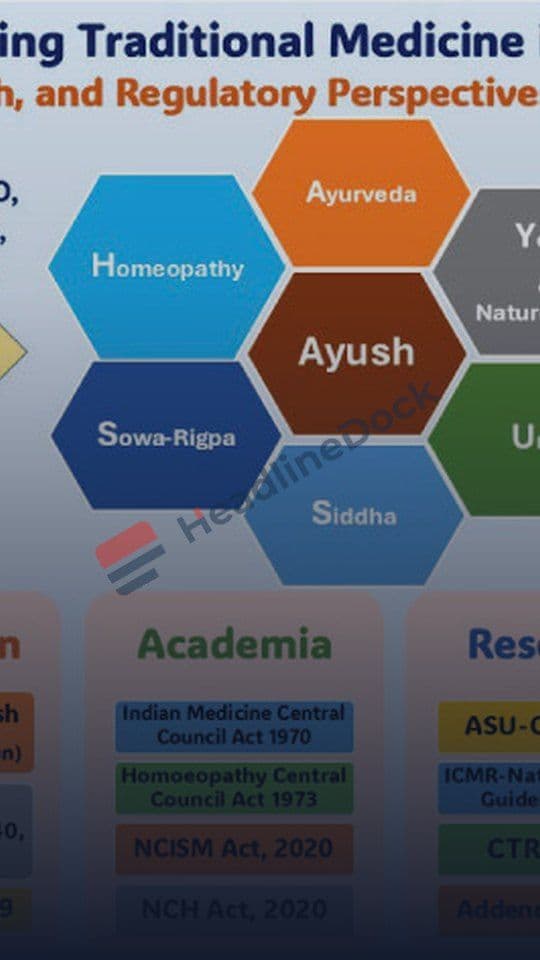
The agreement supports Ayurveda, Unani, Siddha, and Sowa-Rigpa practitioners in accessing professional commercial support.
India Launches Strategic Roadmap for Traditional Medicine
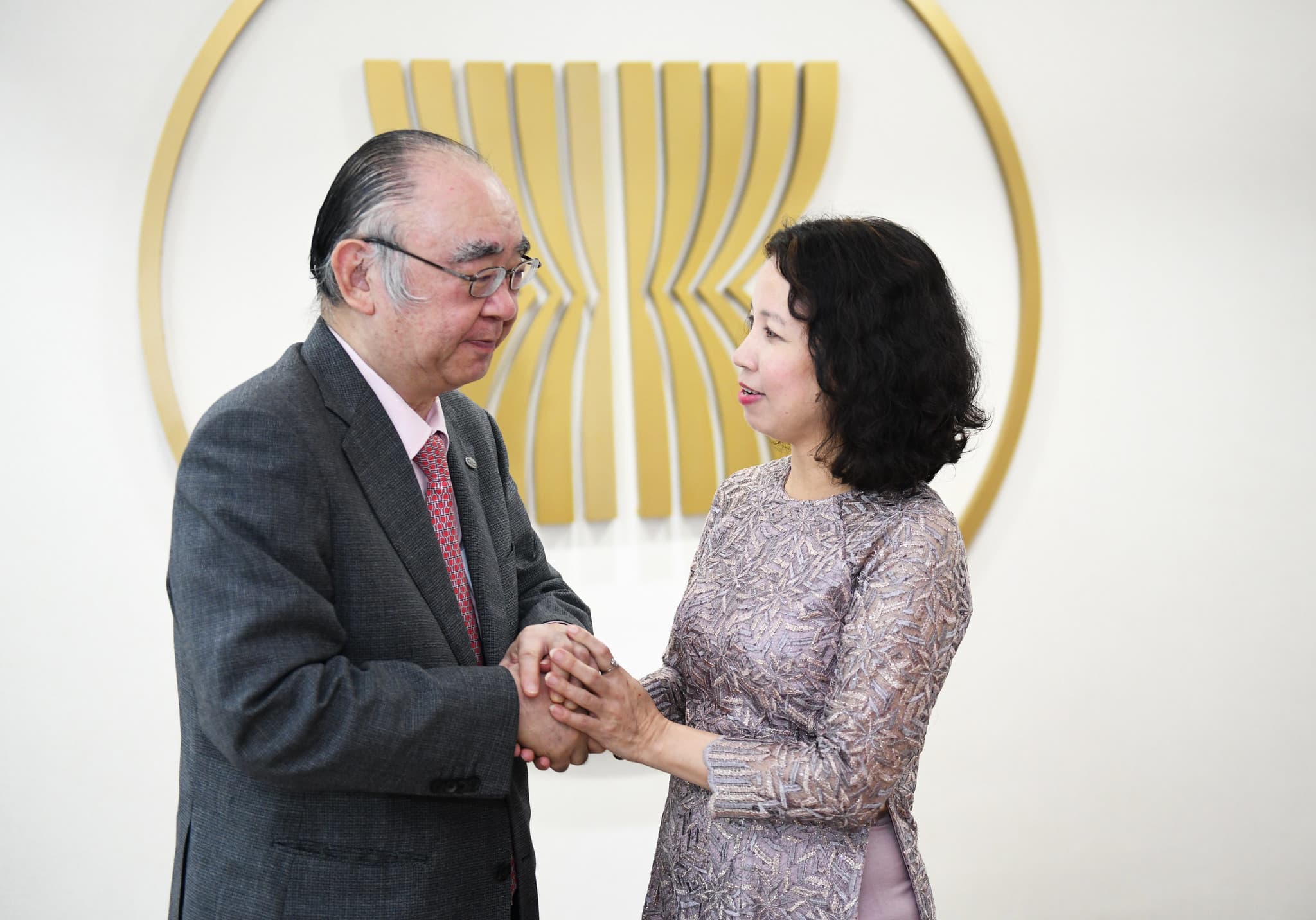
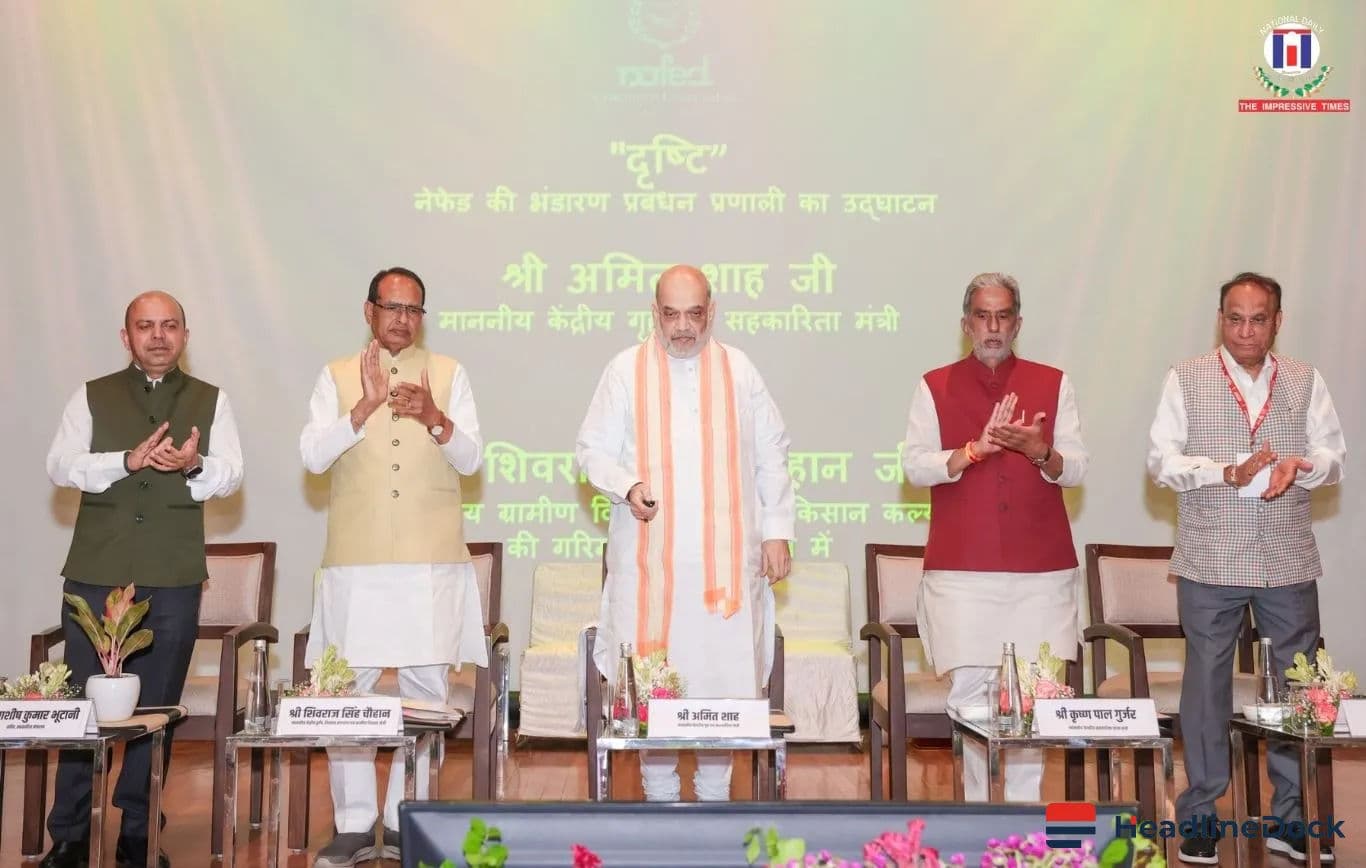
On July 23, 2026, the National Research Development Corporation (NRDC) and the National Commission for Indian System of Medicine (NCISM) formalized a strategic Memorandum of Understanding (MoU) in New Delhi. This partnership is designed to bridge the chasm between academic research and market-ready innovation, signaling a transformative era for Ayurveda, Unani, Siddha, and Sowa-Rigpa systems.
Defining the Partnership: A New Strategic Framework
The MoU, signed by NRDC’s Cmdr. Amit Rastogi (Retd.) and NCISM’s Dr. Maneesha Kothekar, provides the commercial backbone previously missing from traditional healthcare research. The initiative aims to professionalize the development of traditional therapies through four primary pillars:
- IP Management: Providing expert guidance on patent, trademark, and copyright filings.
- Commercialization Support: Managing technology valuation, licensing, and industry-linked technology transfer.
- Institutional Empowerment: Utilizing Research, Innovation, and Entrepreneurship Development (RIED) Cells within academic institutions as the primary interface.
- Industry Linkage: Facilitating partnerships that allow for industry-sponsored research.
Why This Integration Matters
The collaboration aligns with the Atmanirbhar Bharat (Self-Reliant India) vision. By providing legal and commercial expertise, the NRDC is democratizing the innovation process. Individual practitioners and small institutions now have a clear roadmap to secure their intellectual contributions, moving traditional medicine closer to integration with modern international healthcare standards.
Comparison: The Shift in Medical Innovation
| Stage | Traditional Approach | Post-MoU Framework |
|---|---|---|
| IP Protection | Ad-hoc or absent | Professional NRDC-led filing process |
| Commercialization | Limited/Localized | Tech valuation and industry licensing |
| Research Focus | Purely Academic | Market-ready/Industry-sponsored |
| Guidance | Institutional self-reliance | Mentoring through RIED Cells |
Operational Implementation
The framework marks the beginning of a phased rollout. Starting in August 2026, the focus will shift to sensitization workshops and the activation of RIED cells. This is a framework agreement; it does not provide automatic, direct funding. Instead, it creates the legal infrastructure required to attract industry sponsorship. Institutions and individual practitioners must coordinate through their local RIED Cells to access these services.
Engagement Guidelines
- The Gateway: Your primary point of contact is your institutional RIED Cell.
- Individual Projects: The partnership operates on a case-by-case basis; prioritize documentation of clinical validation.
- Institutional Readiness: If your RIED cell is not yet active, check the official NCISM portal for upcoming guidance or workshops.
By shifting from isolated academic research to a centralized, supported model, the NRDC-NCISM partnership ensures that traditional wisdom is actively sharpened for the future of global medicine.
Frequently Asked Questions
Does this MoU provide direct funding for research?
The MoU focuses on IP management, technology transfer, and commercialization mentoring. Funding mechanisms will be facilitated through institutional linkages established by the partnership.
Which systems of medicine are covered?
The partnership covers Ayurveda, Unani, Siddha, and Sowa-Rigpa systems.
How can individual practitioners access these services?
Practitioners should coordinate through their respective NCISM-regulated institutions and local RIED Cells, which act as the primary interface for NRDC services.
Will NRDC handle the patent filing process?
Yes, NRDC will provide expertise in intellectual property protection, including patent and trademark facilitation.