Modernizing Tradition: New NRDC-NCISM Partnership Aims to Transform Indian Medicine
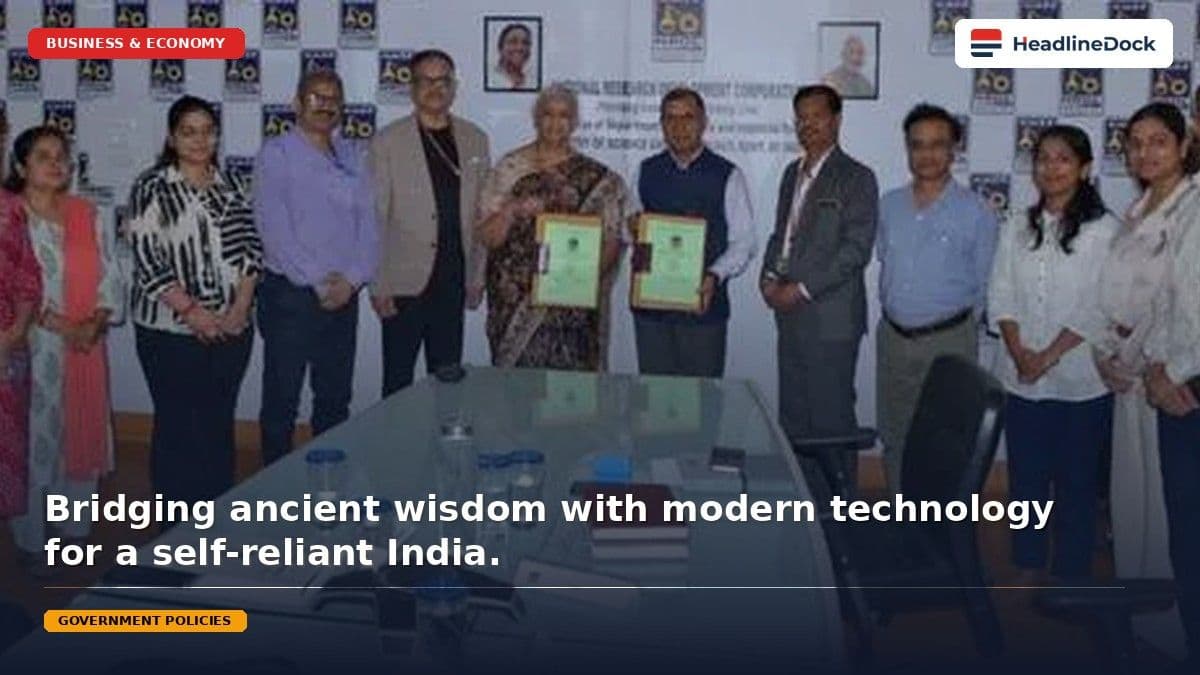
On July 23, 2026, the NRDC and NCISM signed a Memorandum of Understanding to drive innovation in Indian Systems of Medicine. The partnership focuses on intellectual property protection, technology transfer, and commercializing research outcomes from Ayurveda, Unani, Siddha, and Sowa-Rigpa to create market-ready, self-reliant healthcare solutions.
Read it in Short
QUICK OVERVIEW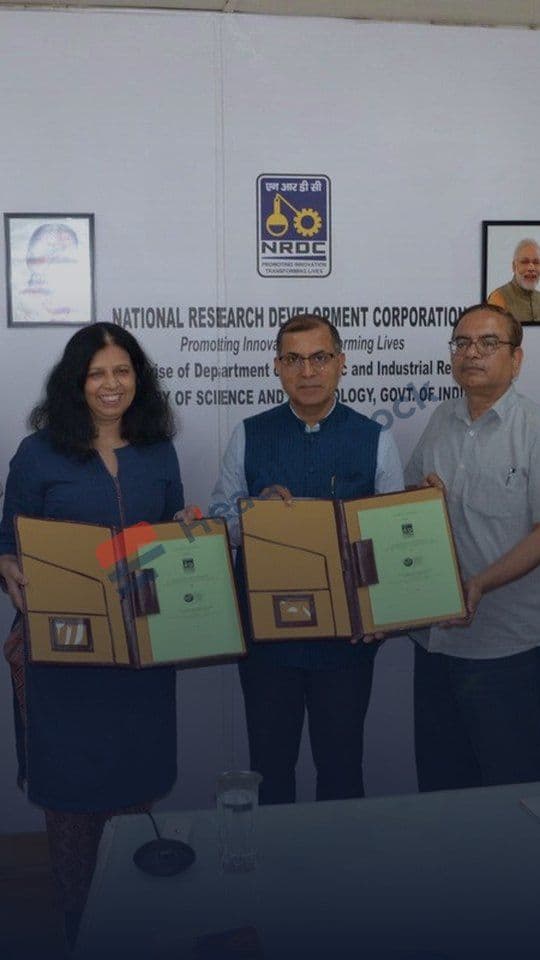
The NRDC and NCISM signed a formal MoU to bridge the gap between traditional Indian medicine research and commercial healthcare markets.
Key focus areas include intellectual property management, patent facilitation, and systematic technology transfer for Ayurveda, Unani, Siddha, and Sowa-Rigpa systems.
The partnership provides operational support through RIED Cells, offering mentorship, incubation, and opportunities for industry-sponsored research to medical practitioners and institutions.
This framework moves research toward commercial viability, supporting the broader national goal of achieving self-reliance in scientific and medical innovation.
Modernizing Tradition: How the New NRDC-NCISM Partnership Aims to Transform Indian Medicine
The global healthcare landscape is currently witnessing a paradigm shift. For decades, traditional medical systems were largely viewed through an ethnographic lens, but they are now gaining rigorous scientific validation. However, a significant "Innovation Gap" has historically persisted: while high-quality clinical research into Ayurveda, Unani, Siddha, and Sowa-Rigpa continues to flourish in academic settings, a small percentage of these discoveries reach the commercial market. The barrier is rarely the quality of the science itself, but rather a lack of structured intellectual property (IP) protection and commercialization frameworks.
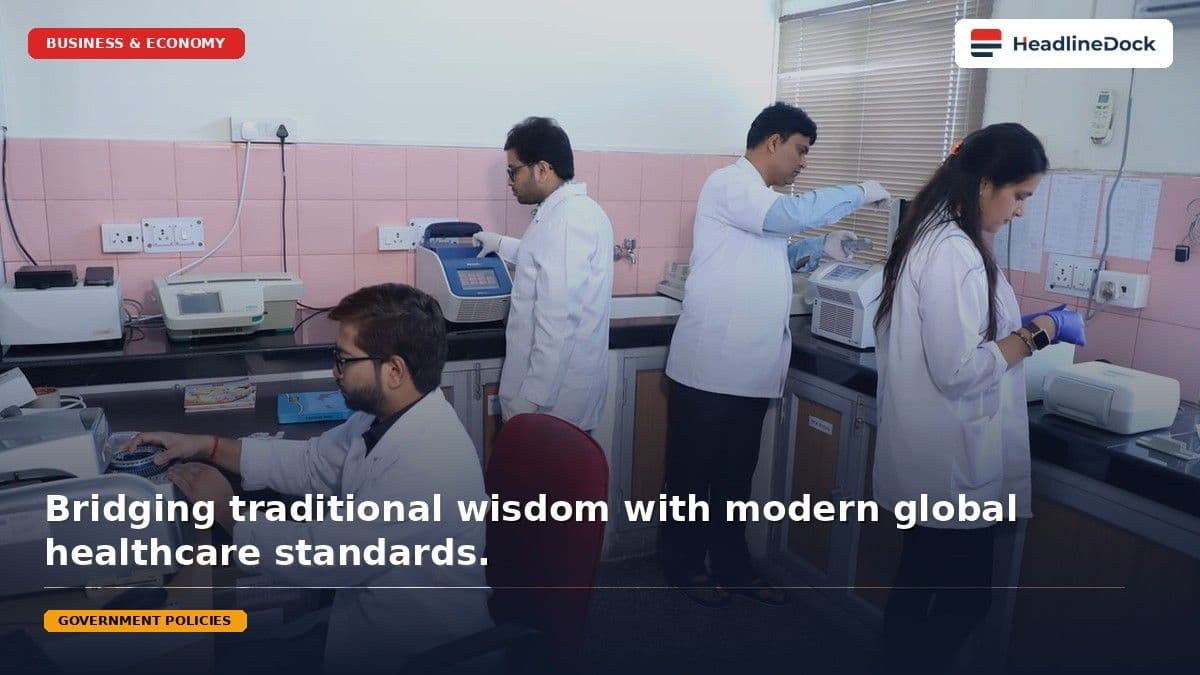
On July 23, 2026, the National Research Development Corporation (NRDC) and the National Commission for Indian System of Medicine (NCISM) took a definitive step to dismantle these barriers by signing a formal Memorandum of Understanding (MoU) in New Delhi. This partnership is a strategic framework designed to bridge the chasm between ancient medical wisdom and modern, commercially deployable healthcare solutions.
A New Strategic Framework for Innovation
The core of this collaboration lies in integrating the NRDC’s expertise in technology transfer and IP management with the NCISM’s expansive network of regulated institutions. By embedding scientific commercialization tools directly into the lifecycle of traditional medicine research, the government is signaling a pivot toward an outcome-oriented research model.
Key operational pillars of the MoU include:
- IP Facilitation: Providing dedicated support for patent filing, trademark registration, and copyrighting of innovations emerging from traditional medicine research.
- Technology Transfer: Creating a structured pipeline that moves research findings from university laboratories and clinical trials into industry-ready healthcare products.
- Capacity Building: Hosting nationwide hackathons and ideathons specifically designed to ignite an entrepreneurial spirit within Research, Innovation and Entrepreneurship Development (RIED) cells.
- Incubation Support: Providing mentorship programs that guide individual practitioners and students through the complex legal and regulatory maze of medical entrepreneurship.
Comparison: The Evolution of Traditional R&D
To understand the magnitude of this shift, it is helpful to compare the previous, often siloed approach to the new, integrated framework now being implemented.
| Feature | Previous Model | New NRDC-NCISM Framework |
|---|---|---|
| IP Protection | Fragmented or Ad-hoc | Standardized, NRDC-led process |
| Commercialization | Limited or Self-managed | Systematic technology transfer |
| Institutional Support | Minimal R&D focus | Integrated via RIED Cells |
| Expertise | Clinical focus only | Clinical + Scientific + Commercial |
Why This Matters: Moving Beyond "Publish or Perish"
For researchers and practitioners, this MoU represents a transition from the academic pressure of "publish or perish" to a more sustainable model of "patent and commercialize." By addressing the "Valley of Death"—the difficult phase where a prototype must be scaled for the mass market—the partnership aims to domesticate R&D under the Atmanirbhar Bharat initiative.
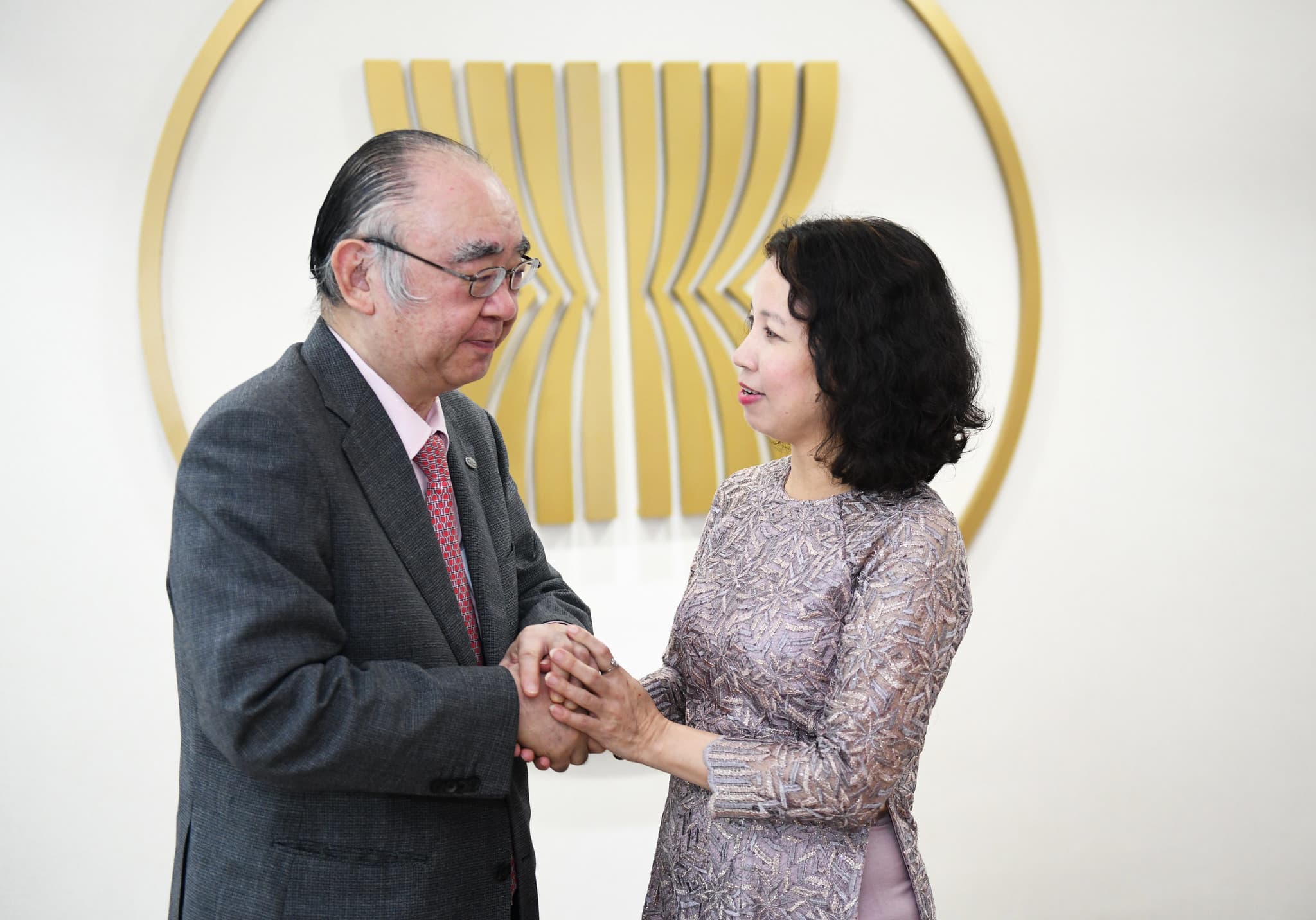
Cmde. Amit Rastogi (Retd.), CMD of NRDC, noted that this collaboration creates a "robust mechanism" to transform laboratory and clinical research into commercially viable technologies. Dr. Maneesha Kothekar, Chairperson of the NCISM, echoed this sentiment, emphasizing that integrating traditional knowledge with modern commercial management is the definitive step needed to elevate the global standing of the Indian System of Medicine.
Navigating the Partnership: How to Engage
Because this MoU functions as a policy framework rather than a commercial product launch, there is no standardized "price" or entry fee. Financial and technical engagements are handled on a case-by-case basis between the NRDC and individual innovators or institutions, as detailed in the official press release.
If you are an innovator or an institution seeking to leverage this partnership, consider the following:
- Channel Everything Through RIED Cells: Your local Research, Innovation and Entrepreneurship Development Cell is the authorized primary interface.
- Clarify IP Terms Early: Before beginning any collaborative project, ensure your institution’s legal department has reviewed the standard NRDC technology transfer agreements.
- Utilize Official Channels: For specific inquiries regarding upcoming hackathons or mentorship opportunities, rely exclusively on official announcements from the NCISM portal.
This initiative represents a pivotal moment for Indian medicine. By providing the tools to secure and scale discoveries, the NRDC and NCISM are ensuring that the future of Indian healthcare is as innovative as its ancient roots.
Frequently Asked Questions
What is the main objective of the NRDC-NCISM MoU?
The MoU aims to promote innovation, provide intellectual property protection, and commercialize research outcomes within the Indian System of Medicine (Ayurveda, Unani, Siddha, and Sowa-Rigpa).
Does this apply to individual practitioners?
Yes, the MoU includes provisions to support registered medical practitioners in protecting and commercializing their innovations.
Are there specific areas of medicine covered?
Yes, the partnership specifically covers research and commercialization efforts in Ayurveda, Unani, Siddha, and Sowa-Rigpa.
Where can institutions find more information?
Institutions should engage through their local Research, Innovation and Entrepreneurship Development (RIED) Cells, which serve as the primary interface for this framework.