NASA, Blue Origin Partner to Test New Glenn Rocket at Stennis Stand


NASA and Blue Origin have partnered in a reimbursable agreement to conduct second-stage hot-fire testing of the New Glenn rocket at Stennis Space Center. This collaboration aims to accelerate commercial launch capabilities for future Artemis lunar missions, leveraging historic infrastructure to ensure the success of upcoming crewed lunar exploration.
Read it in Short
QUICK OVERVIEW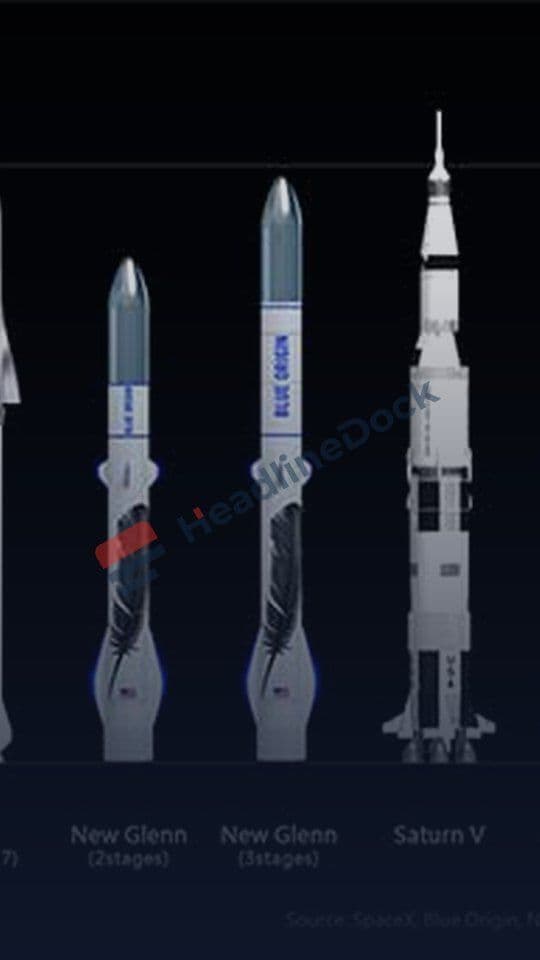
NASA and Blue Origin signed a Reimbursable Space Act Agreement for New Glenn second-stage testing.
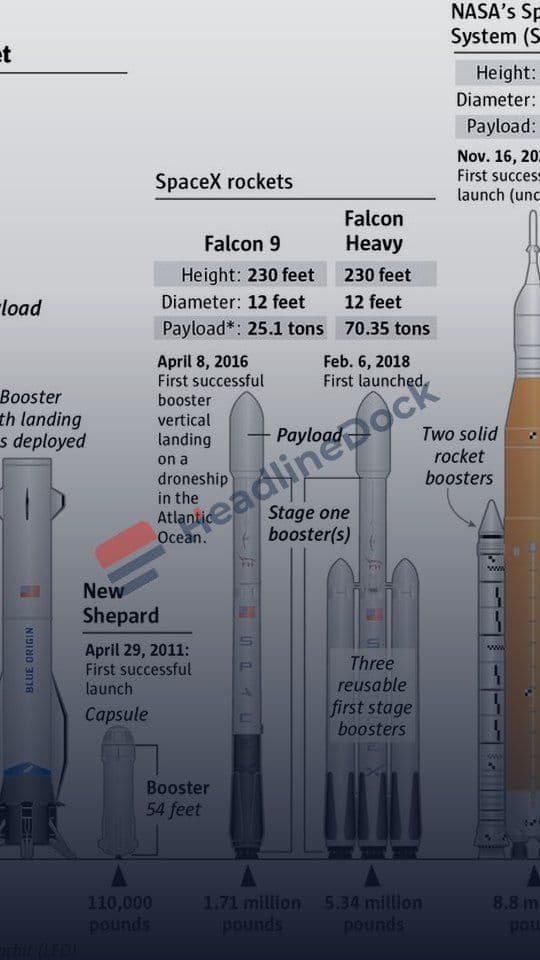
Hot-fire testing will take place at the historic B-2 test stand at NASA’s Stennis Space Center.
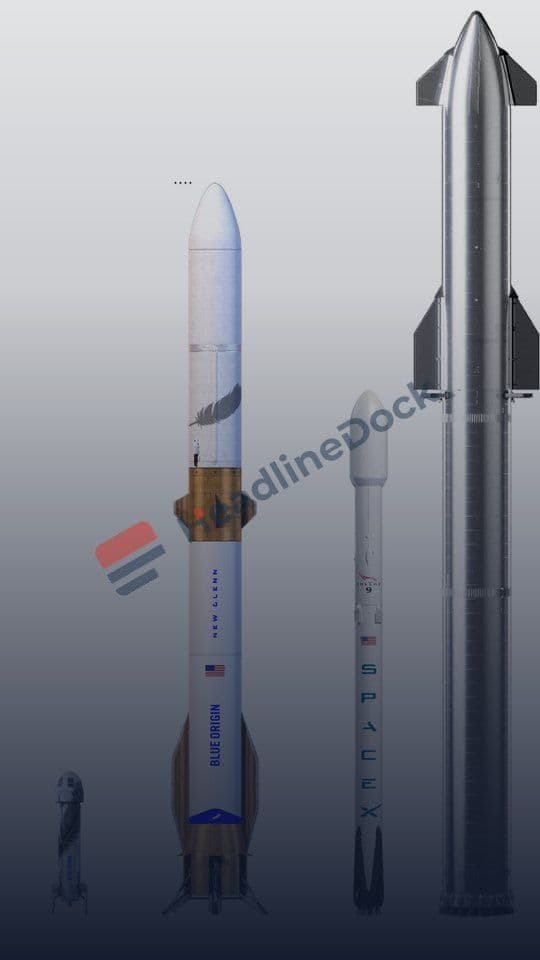
Testing is scheduled for the fall of 2026 to support future Artemis lunar mission manifests.

The New Glenn second stage features two BE-3U engines producing a total of 400,000 lbs of vacuum thrust.
Fueling the Moon Race: NASA Opens Historic B-2 Stand to Accelerate Blue Origin’s New Glenn
The landscape of lunar exploration has shifted into a new phase of rapid, commercial-driven development. As the Artemis program moves beyond the initial milestones of recent crewed flights, the urgency to establish a sustained human presence on the Moon has created a significant demand for heavy-lift launch capacity. In a move that bridges the legacy of the Apollo era with the requirements of the next decade, NASA has finalized a Reimbursable Space Act Agreement allowing Blue Origin to utilize the historic B-2 test stand at the Stennis Space Center in Mississippi.
This partnership represents a strategic pivot in how the U.S. government fosters the commercial space industrial base. By leveraging specialized, taxpayer-funded infrastructure for private innovation, NASA is lowering the barrier to entry for the heavy-lift vehicles essential to the Artemis lunar mission manifest.
The B-2 Test Stand: A Legacy of Propulsion
The B-2 test stand is a cornerstone of American aerospace history. Originally constructed in the 1960s to facilitate the development of the Saturn V rocket, the site was instrumental in powering the propulsion systems that carried humanity to the lunar surface. Today, it stands as a world-class vertical firing facility, suited for testing the high-thrust requirements of modern orbital launch vehicles.
Under the new agreement, Blue Origin will bring its New Glenn second-stage hardware to this site to conduct a series of hot-fire tests. As this is a "reimbursable" agreement, Blue Origin covers the costs for the facility, expertise, and operational support provided by NASA. This fiscal structure allows the agency to maximize the utility of its assets, supporting national space goals.
New Glenn: Technical Specifications for Deep Space
The New Glenn vehicle represents a significant leap in heavy-lift capabilities. The second stage is engineered specifically for the demands of orbital insertion and lunar payload delivery. Its performance profile is summarized below:
| Feature | New Glenn Second Stage |
|---|---|
| Engines | 2 x BE-3U |
| Propellants | Liquid Oxygen (LOX) / Liquid Hydrogen (LH2) |
| Vacuum Thrust | 200,000 lbs per engine (400,000 lbs total) |
| Primary Use | Orbital insertion and lunar payload delivery |
Why This Collaboration Matters for Artemis
The integration of New Glenn into the Artemis mission manifest is designed to address the logistics requirements for missions targeting 2027 and beyond. New Glenn is slated to support robotic lander missions—such as the Blue Moon Mark 1 Endurance program—and the infrastructure logistics required for sustained surface operations.
The economic impact on the Mississippi region is significant. Congressional representatives have highlighted that this partnership sustains a pool of high-skilled jobs and reinforces the domestic propulsion technology sector. By consolidating these high-thrust operations at Stennis, the U.S. continues to secure its industrial edge, ensuring that the supply chain for crewed lunar missions remains resilient.
Mitigating Risks: The Role of Hot-Fire Testing
In aerospace engineering, testing is the primary mechanism for identifying and mitigating potential performance anomalies. The hot-fire tests at the B-2 stand are designed to reveal structural, thermal, or combustion-related risks before the vehicle reaches the launch pad.
How Testing Procedures Mitigate Flight Risk
- Structural Validation: High-thrust vibrations are simulated to ensure the airframe can withstand the stresses of launch.
- Thermal Management: Propellant systems are monitored under extreme temperatures to ensure LH2/LOX delivery remains stable during long-duration burns.
- Environmental Compliance: Testing procedures at Stennis incorporate rigorous environmental monitoring, ensuring that high-thrust emissions are managed according to modern standards.
Should initial tests indicate performance deviations, engineers will utilize the data gathered at the B-2 stand to recalibrate engine parameters or adjust structural reinforcements. This iterative "test-fix-fly" process is the standard for modern rocketry, significantly reducing the probability of failure during critical lunar trajectory insertions.
With the agreement officially signed as of July 2026, operations are targeted to commence in the fall of 2026. This milestone will provide the definitive data needed to integrate New Glenn into the broader Artemis mission architecture.
📖 NASA Coverage Timeline (Story Graph)
Follow the chronological evolution of NASA updates and related announcements on HeadlineDock:
- Jun 19, 2026 — NASA Names Artemis III Crew and Updates Mission Objectives for 2027 Launch
- Jul 21, 2026 — Shaping the Emerald City: How Glaciers and Humans Built Seattle
- Jul 21, 2026 — NASA’s New VTE Risk Score Algorithm for Astronauts to Improve Health Safety
- Jul 21, 2026 — NASA & GE Aerospace's Hybrid-Electric Flight Takes Off for Sustainable Aviation
- Jul 21, 2026 — NASA Psyche Mission Captures Stunning Mars Crescent During Flyby
- Today — Active Coverage: (You are reading this article)
Frequently Asked Questions
What is the B-2 test stand?
The B-2 test stand is a historic, world-class vertical firing test stand at NASA Stennis, originally built for the Apollo program to test Saturn V rocket stages.
Why is NASA testing a private rocket?
Through a reimbursable Space Act Agreement, Blue Origin pays NASA for facility access and technical expertise, helping NASA meet its goal of securing commercial lunar delivery options while maximizing taxpayer-funded infrastructure.
When will the testing begin?
Testing is targeted to begin in the fall of 2026.
What is the New Glenn rocket?
It is Blue Origin’s heavy-lift orbital launch vehicle, designed to support commercial and government missions, including Moon landings.
How does this support Artemis?
It validates the propulsion hardware needed for Blue Origin’s human landing systems and robotic landers, which are critical for the multi-launch architecture of Artemis III, IV, and V.