JWST Captures Young Galaxy Cluster MACS J0553.4-3342
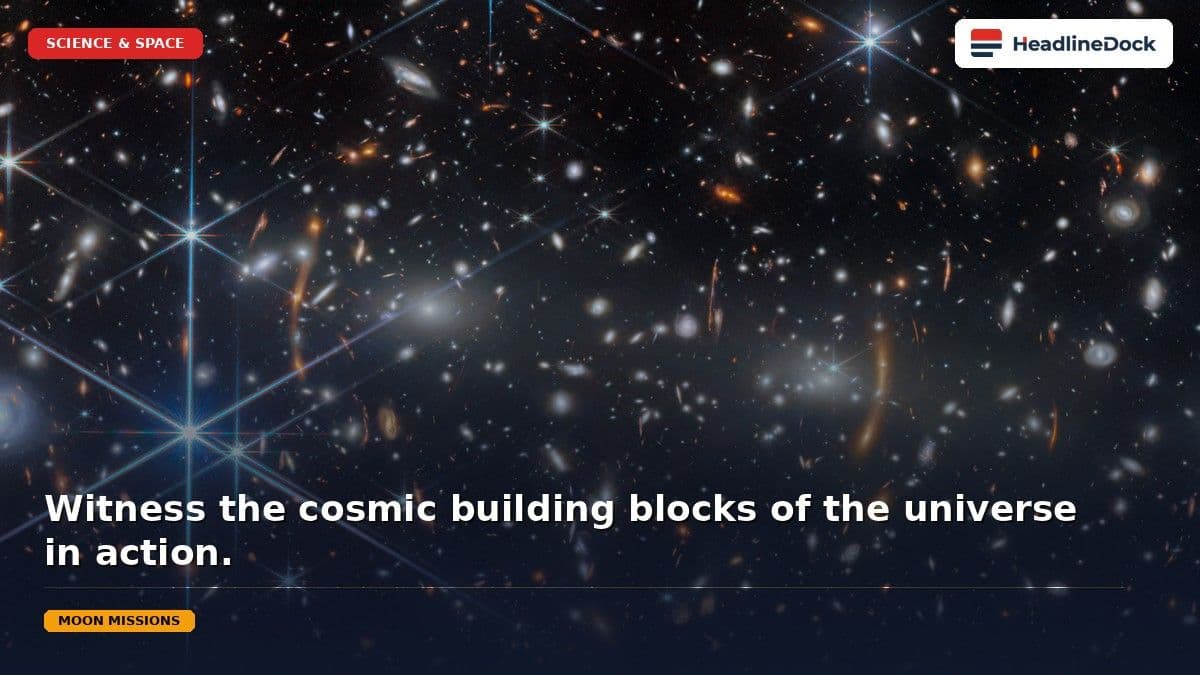
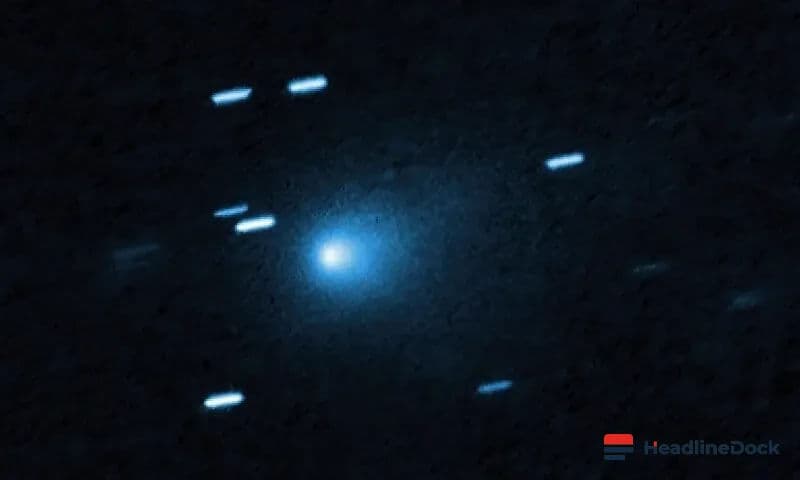
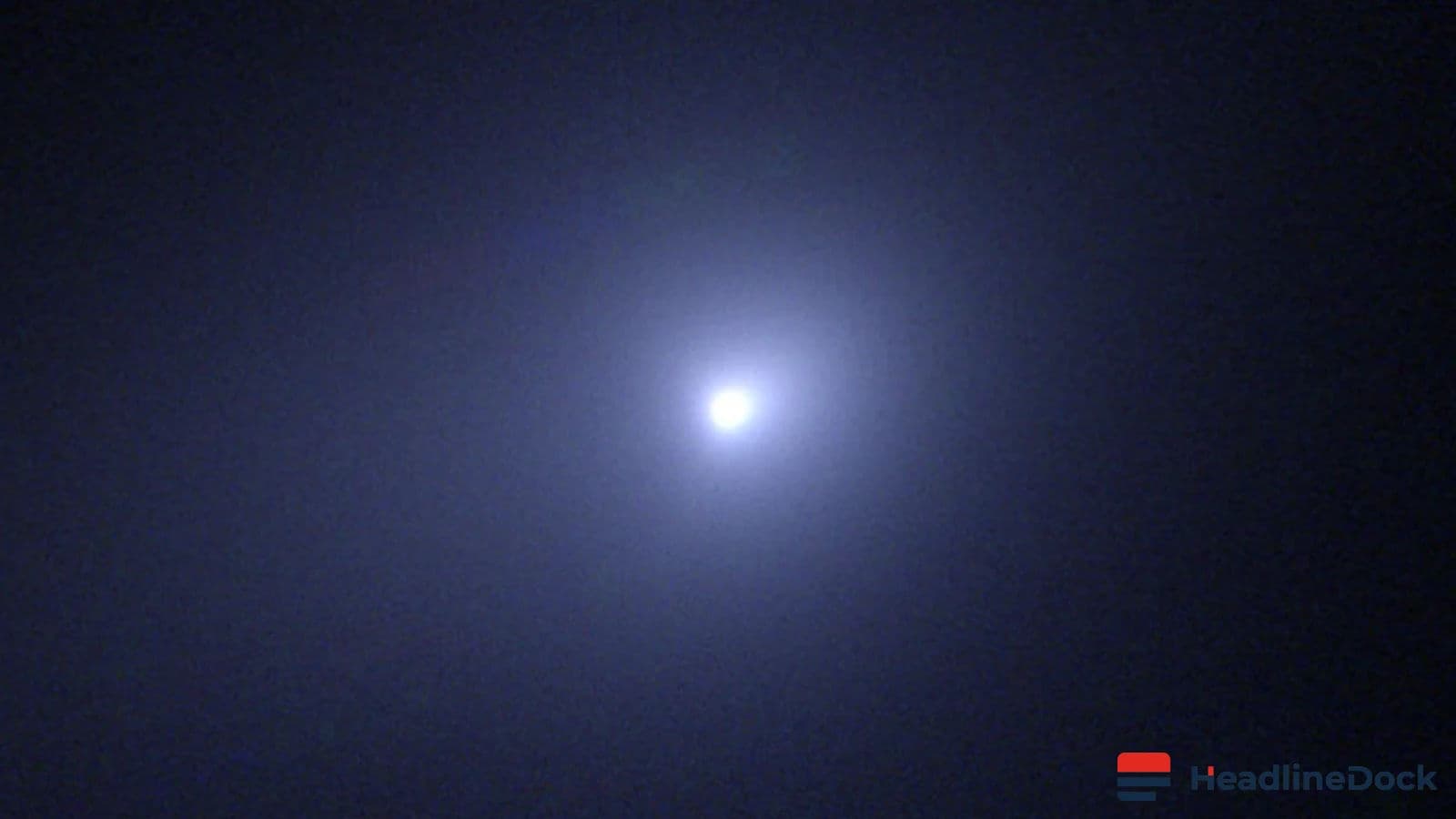
The James Webb Space Telescope has captured high-resolution images of MACS J0553.4-3342, a young galaxy cluster in the constellation Columba. The imagery reveals two sub-clusters in an active state of merging, offering astronomers a unique look at how large-scale cosmic structures are formed during the early universe.
Read it in Short
QUICK OVERVIEW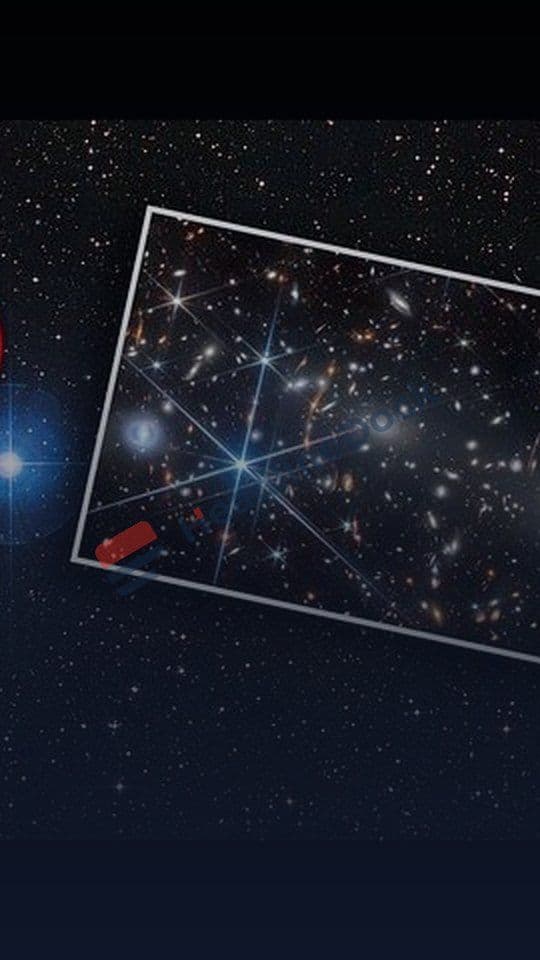
The James Webb Space Telescope (JWST) imaged the young galaxy cluster MACS J0553.4-3342 in the Columba constellation.
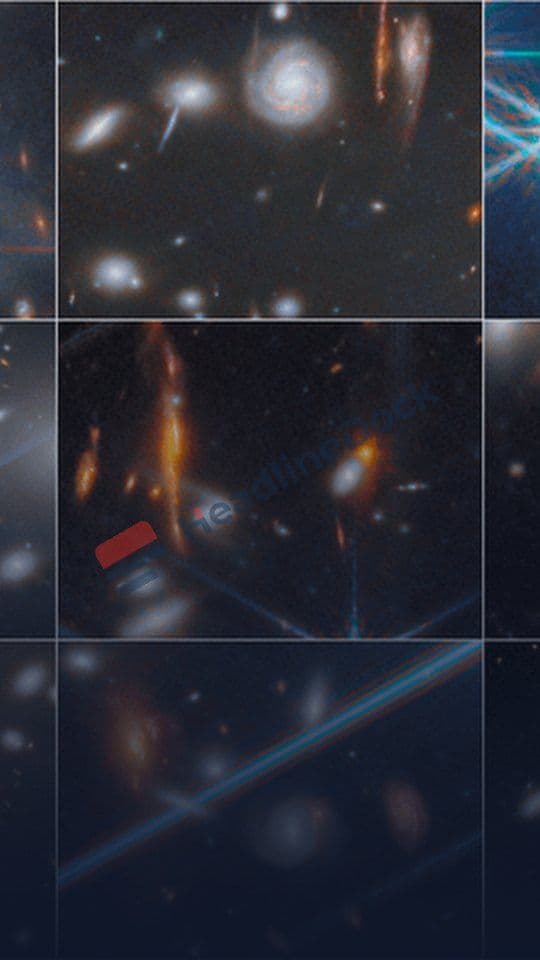
The cluster is currently in an active "building site" phase, featuring two distinct sub-clusters in the process of merging.

Data was officially released by NASA, ESA, and CSA on July 3, 2026, led by researcher S. Fujimoto.

The observation provides critical insights into early universe formation, showing how gas is compressed during gravitational collisions.
JWST Captures Young Galaxy Cluster MACS J0553.4-3342
The universe is often depicted in textbooks as a static gallery of celestial objects. In reality, the cosmos is a frantic construction site defined by constant motion. On July 3, 2026, the James Webb Space Telescope (JWST) offered humanity a front-row seat to this process, capturing the turbulent evolution of a young galaxy cluster designated MACS J0553.4-3342.
Located in the constellation Columba (the Dove), this region is a laboratory of gravitational physics. Through the infrared eyes of the JWST, researchers have observed a rare "building site" phase where two distinct sub-clusters are in the act of merging, providing a vital snapshot of how the largest structures in the universe are assembled.
Understanding MACS J0553.4-3342
The release of data by NASA, the European Space Agency (ESA), and the Canadian Space Agency (CSA) on July 3, 2026, has provided the scientific community with unprecedented detail regarding galaxy evolution. MACS J0553.4-3342 is classified as a "young" galaxy cluster, meaning it is in the middle of a massive gravitational collision rather than a settled, virialized equilibrium.
Led by researcher S. Fujimoto, the analysis of this imagery clarifies that we are witnessing the assembly of a singular, massive galactic structure. The interaction between these two sub-clusters creates a level of turbulence fundamentally different from the behavior of older, "finished" clusters.
Comparison: Mature Clusters vs. Forming Clusters

| Feature | Mature (Virialized) Clusters | Forming Clusters (MACS J0553.4-3342) |
|---|---|---|
| Stability | Highly stable equilibrium | High turbulence/Unstable |
| Structure | Defined, singular core | Dual-component merging |
| Gas Content | Hot, diffuse, settled | Highly agitated and compressing |
| Evolutionary Phase | End-state | "Building site" (Active) |
Why This Image Matters
MACS J0553.4-3342 serves as a critical missing link in our understanding of how large-scale structures form. By capturing the cluster in this state, the JWST allows us to observe how gas is compressed and how stars are triggered into formation by violent interactions. The JWST’s infrared capabilities peer through the thick, swirling clouds of cosmic dust that usually obscure these processes, revealing the complex dance of gravitational attraction.
Accessibility and Data Integrity
Following the July 2026 release, this imagery has become a focal point for both academic research and public scientific outreach. The entirety of the mission data for MACS J0553.4-3342 is open-access and publicly available.
How to access the data: Users interested in viewing the high-resolution files can navigate to the official NASA Multimedia Portal. These images are released as part of the agency's commitment to public transparency in astrophysical research.
A Note on Image Quality
There are no known technical anomalies or mission failures associated with this observation. The data captured is high-fidelity. If you encounter what appear to be "streaks" in the images, be assured that these are authentic indicators of cosmic interaction and gas density, not software errors or hardware bugs.
As the scientific community continues to analyze the findings from S. Fujimoto’s team, MACS J0553.4-3342 will remain a foundational reference point for our evolving understanding of the early universe. This is a testament to the ongoing construction of the cosmic tapestry.
Frequently Asked Questions
What is MACS J0553.4-3342?
It is a young galaxy cluster currently composed of two merging sub-clusters in the process of gravitational accretion.
Where is this cluster located?
It is located within the constellation Columba (the Dove).
What telescope took this image?
The James Webb Space Telescope (JWST), utilizing its high-resolution infrared imaging capabilities.
Where can I see the full-resolution images?
The images are available on the official NASA website under the "Image of the Day" or "Multimedia" sections.