Understanding the Phase 2A Results 2026 for Primary 1 School Admissions

The Ministry of Education has released the Phase 2A registration data for 2026, showing 31 schools will conduct balloting due to high demand. Intake cuts across primary schools reflect shifting student demographics, with official results expected on July 17.
Read it in Short
QUICK OVERVIEW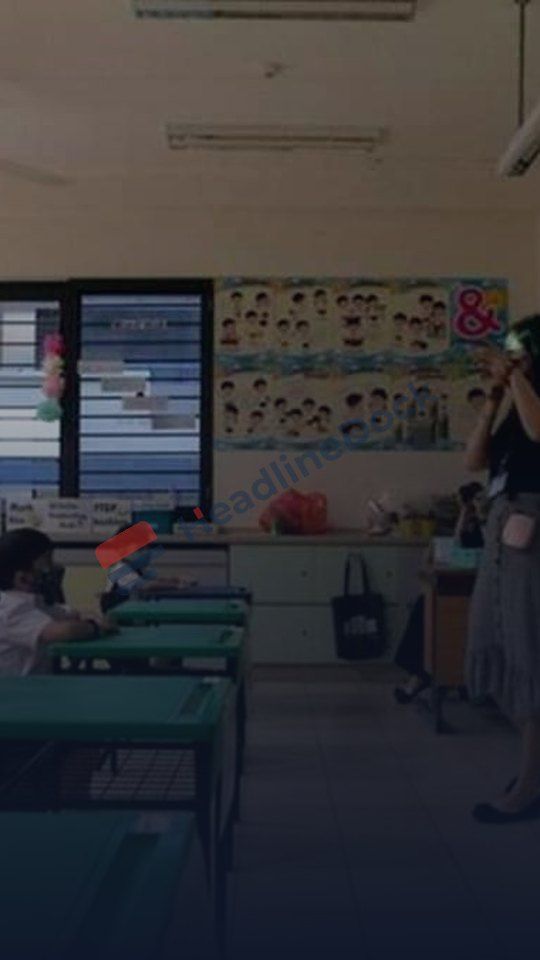
31 primary schools are conducting balloting for Phase 2A of the 2026 registration exercise.
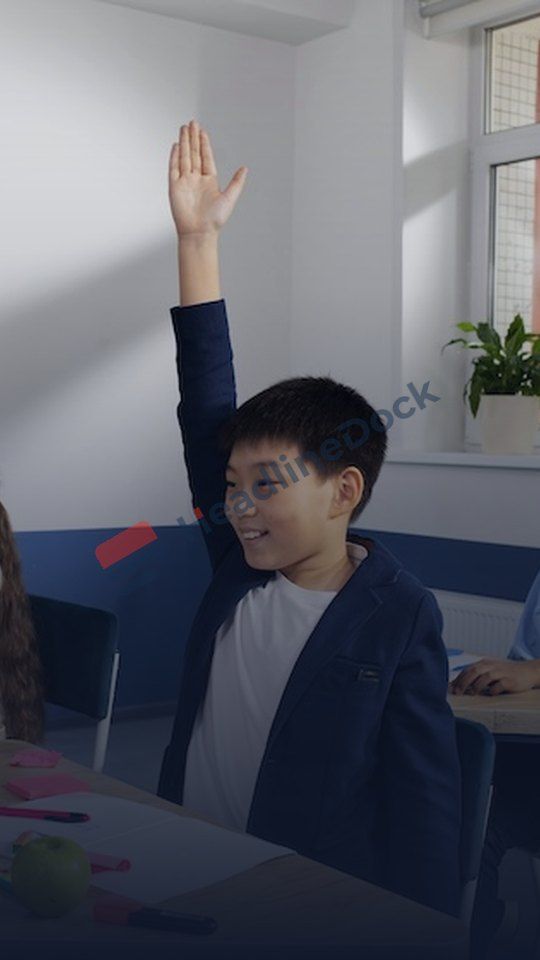
Red Swastika School is the most oversubscribed, with 88 applicants for 24 places.
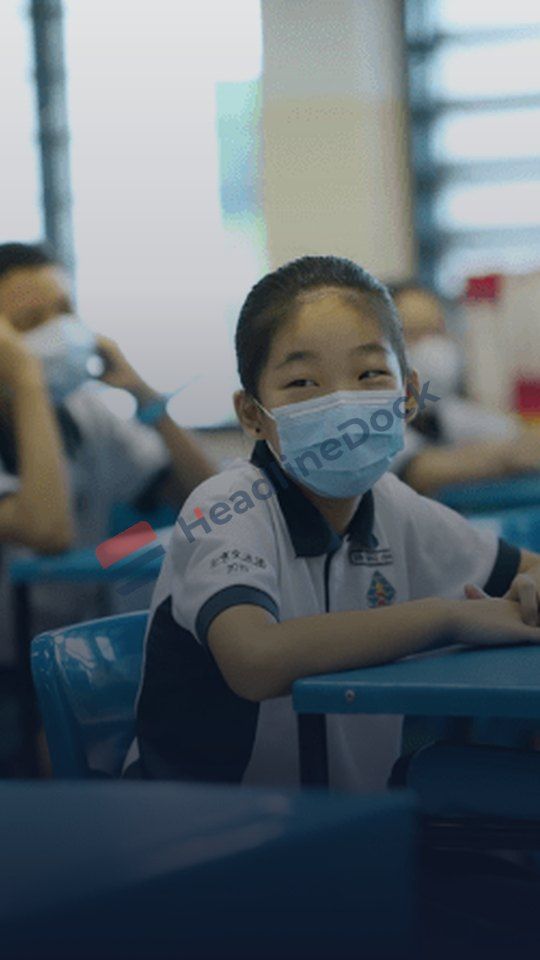
The MOE reduced overall primary school intake this year to manage future cohort size shifts.

Balloting results for all affected schools will be officially released on July 17.
The Ministry of Education (MOE) in Singapore has released the latest figures for the 2026 Primary 1 registration exercise, revealing that 31 schools will be required to conduct balloting during Phase 2A. This crucial stage, which took place from July 9 to July 10, saw a total of 35 schools become oversubscribed, though the number of schools requiring a ballot has decreased compared to the previous year. As parents across the nation await the final results, understanding the phase 2a results 2026 and the implications of current enrollment trends is essential for those navigating the school admission process.
What do the phase 2a results 2026 mean for parents?
The current data highlights that Red Swastika School in Bedok has emerged as the most oversubscribed institution, with 88 applicants competing for just 24 available spots. Other highly sought-after schools include Princess Elizabeth Primary School in Bukit Batok and Shuqun Primary School in Jurong West. These institutions are conducting balloting specifically for Singapore citizens who reside within a 1km radius of their respective campuses. Notably, the MOE has implemented cuts to the Primary 1 intake across many schools this year to better align with changing demographic cohorts and housing developments, a move designed to maintain geographical balance and reduce the necessity for future school mergers.
For those schools where the number of applicants exceeded available vacancies, priority is strictly determined by citizenship status and the proximity of the applicant's residence to the school. The process ensures that local residents are given precedence, followed by those in the 1km to 2km range, and finally, those living further away. Permanent residents are considered in the same distance-based hierarchy after citizen applications are processed.
Frequently Asked Questions
When will the Phase 2A balloting results be released?
The results for all primary schools that were oversubscribed and required balloting for the 2026 Phase 2A registration exercise are scheduled for release on July 17, 2026.
Why are there fewer vacancies in Phase 2A this year?
The Ministry of Education has intentionally reduced the intake for most primary schools in 2026. This strategic adjustment aims to manage smaller student cohort sizes expected in 2027 and beyond, thereby avoiding unnecessary school relocations or mergers.
What happens if a school is oversubscribed but does not conduct a ballot?
In cases where a school is oversubscribed but does not conduct a ballot, it typically means the remaining vacancies are only sufficient to accommodate specific groups, such as Singapore citizens residing within a very close proximity (e.g., 1km) of the school.
Source Statement
This briefing is distilled from the original source to provide you with clear, structured insights for immediate value.
Read the full source story: Singapore Phase 2A Primary 1 Registration Trends and Balloting Results 2026
Read the full source story: 35 Schools Oversubscribed in Phase 2A of Primary 1 Registration Exercise
Read the full source story: Phase 2A of Primary 1 Registration Exercise Begins with Vacancy Adjustments