The US Leads the Global Space Race as Nations Vie for Lunar Dominance
The global space race is accelerating as the US pursues the Artemis missions while China, India, and Russia advance their own lunar exploration plans. As nations vie for a permanent presence on the Moon, cooperation and competition define the future of deep-space activity.
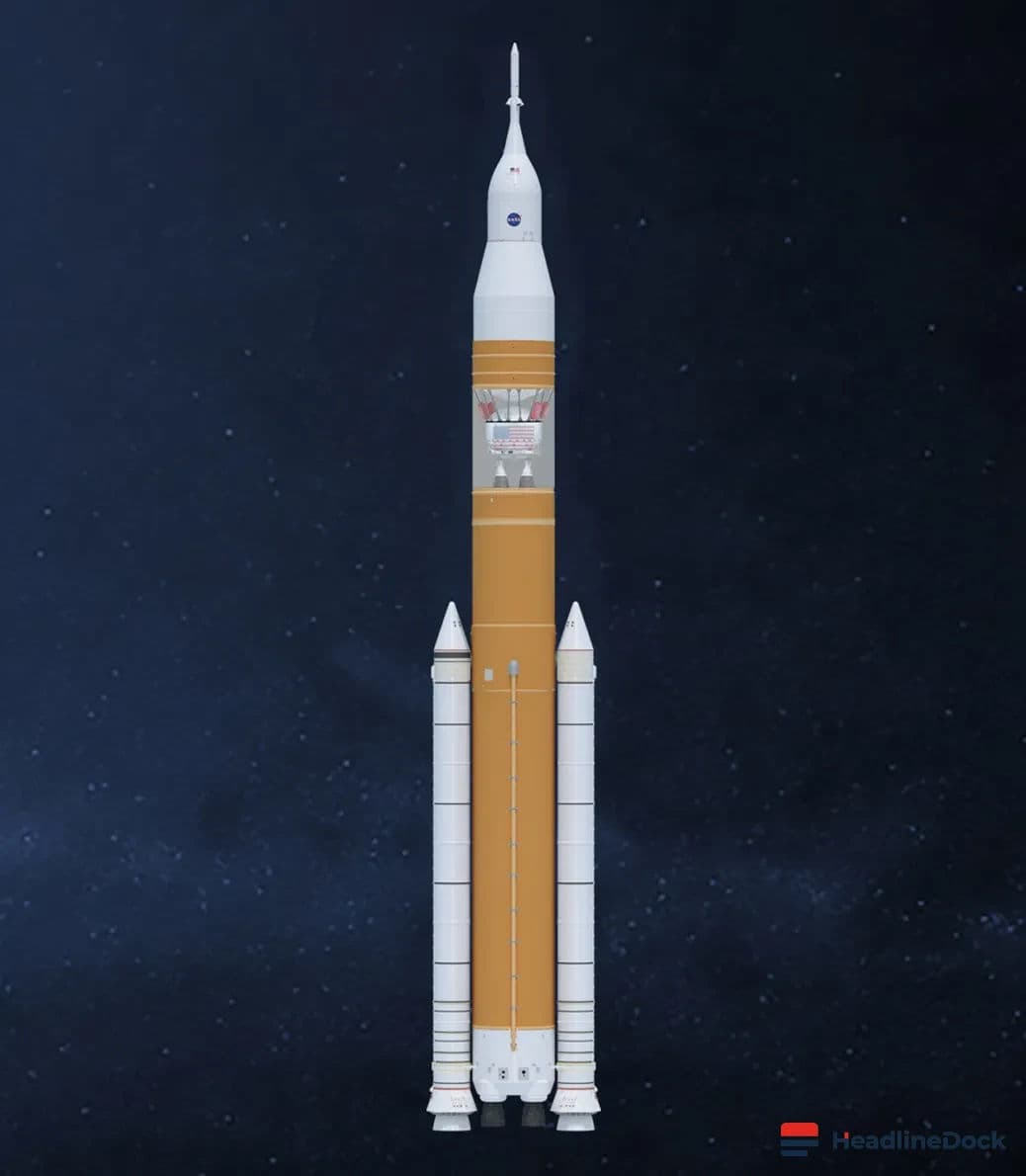
Highlights
- •The United States leads current lunar exploration efforts, specifically through the ongoing Artemis mission program.
- •China is aggressively expanding its capabilities with the Tiangong space station and a planned lunar south pole base.
- •India achieved a major milestone as the first nation to land successfully at the Moon's south pole.
- •International cooperation is shifting as different blocs form to compete for future lunar base dominance.
The global space race has intensified, with the United States maintaining a prominent lead while several other nations make significant strides to narrow the gap. Recent announcements from NASA regarding the crew for the Artemis III mission emphasize the ongoing commitment to returning humans to the lunar surface. This mission follows the groundwork laid by Artemis II and serves as a vital step toward the planned Artemis IV launch in 2028, which aims to facilitate the first human lunar landing in 56 years.
The Global Landscape of Lunar Exploration
While NASA headlines dominate the narrative, countries like China, India, and Russia are advancing their own ambitious programs. China has demonstrated a steady cadence of success, from the Chang'e 1 mission in 2007 to the recent Chang'e 6, which successfully returned samples from the Moon’s far side. The nation is currently focused on its Tiangong space station and plans to establish a permanent International Lunar Research Station near the lunar south pole by 2035. This initiative is explicitly collaborative, involving partners such as Russia, South Africa, and Pakistan, positioning it as a distinct alternative to the US-led Artemis framework.
India also secured its place in history with the Chandrayaan-3 mission in 2023, achieving the first successful landing at the lunar south pole. Building on this momentum, the nation is preparing for Chandrayaan-4 to conduct sample collection by 2028 and a future joint mission, Chandrayaan-5, in partnership with Japan. These efforts reflect a growing global reliance on lunar resource potential.
Challenges and Future Competition
Despite these technological advancements, the space race remains fraught with technical hurdles. Russia, while historically significant in lunar exploration, experienced a setback with the Luna 25 crash in 2023 but remains focused on future uncrewed goals, including potential nuclear power infrastructure on the moon by 2036. Similarly, Japan-based iSpace has faced difficulties with recent landing attempts, highlighting the extreme complexity of lunar missions.
As multiple nations target the same regions, the Outer Space Treaty continues to be the primary framework governing these activities. However, as various countries look to establish permanent bases, the challenge will be ensuring these operations function safely and cooperatively on the lunar surface. The competitive nature of this modern era of exploration is accelerating, pushing the boundaries of what is possible in deep space.