Why Former NASA Chief Questions Artemis Moon Lander Plans Complexity

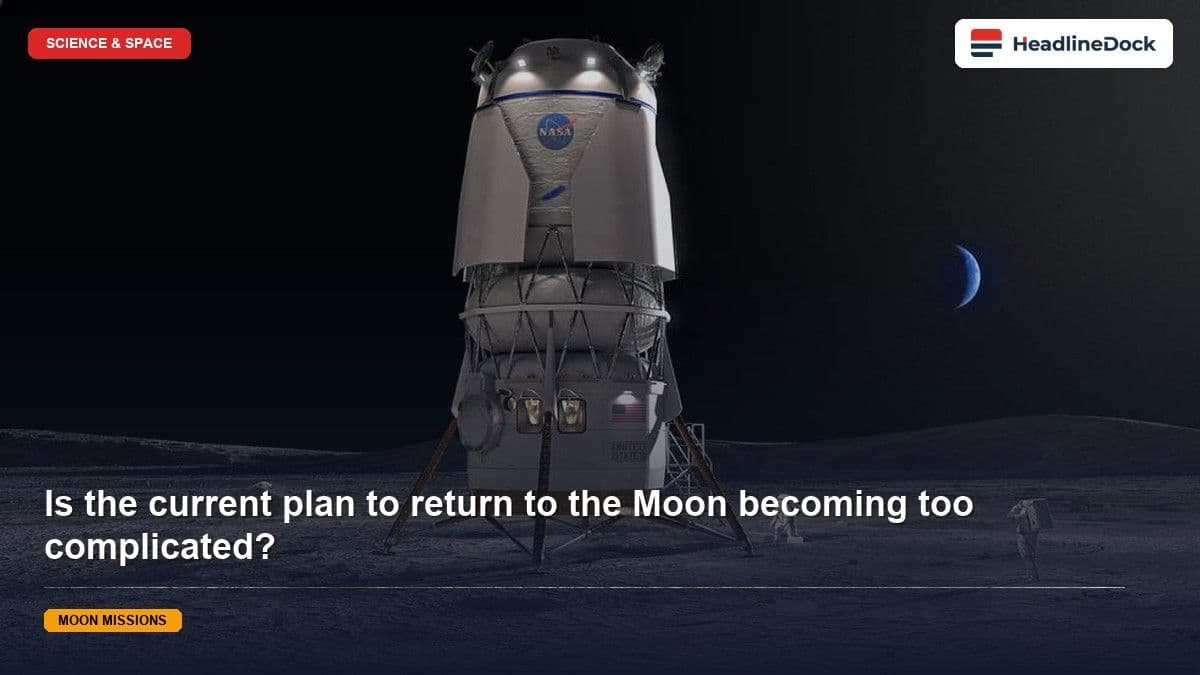
Former NASA administrator Jim Bridenstine has criticized the Artemis program's current lunar lander architecture as excessively complicated. He warns that the lack of a flight-ready lander and the reliance on multiple complex launches could hinder the agency's goal of returning humans to the Moon by 2028.
STORY IN BRIEF
QUICK OVERVIEW
Former NASA administrator Jim Bridenstine critiques the complexity of the current Artemis lunar lander architecture.

The Artemis program requires multiple launches and in-orbit refueling, unlike the simpler Apollo mission design.

Neither Starship nor Blue Moon has achieved a crewed lunar landing, creating pressure for upcoming development timelines.

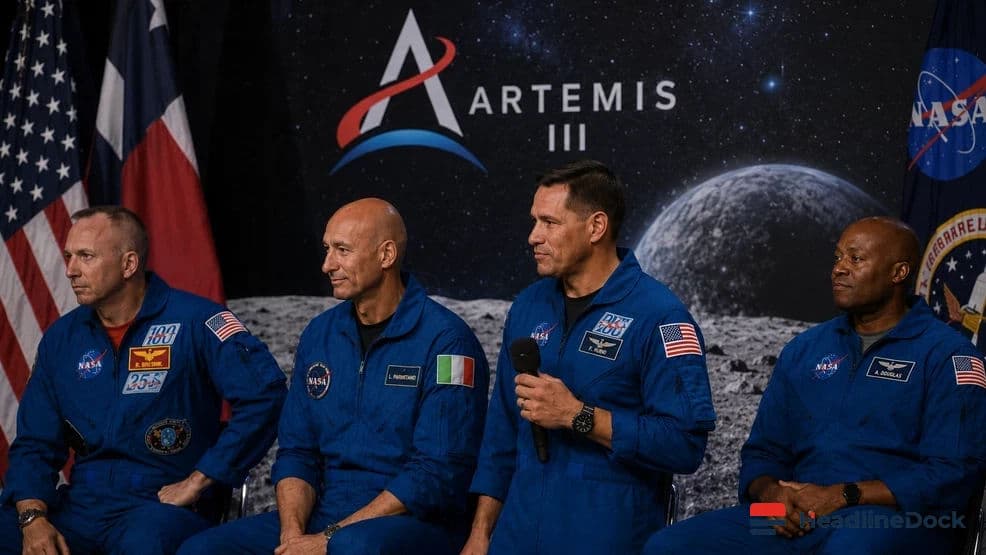
Artemis III is set for 2027 as a crucial in-orbit test for lander docking and compatibility.
Jim Bridenstine, the former administrator of NASA, has publicly voiced significant concerns regarding the technical approach of the current Artemis moon lander plans. As the space agency aims to return humans to the lunar surface by 2028, Bridenstine suggests that the program’s architecture has become unnecessarily complicated compared to the historic Apollo missions.
Why is the Artemis moon lander architecture facing criticism?
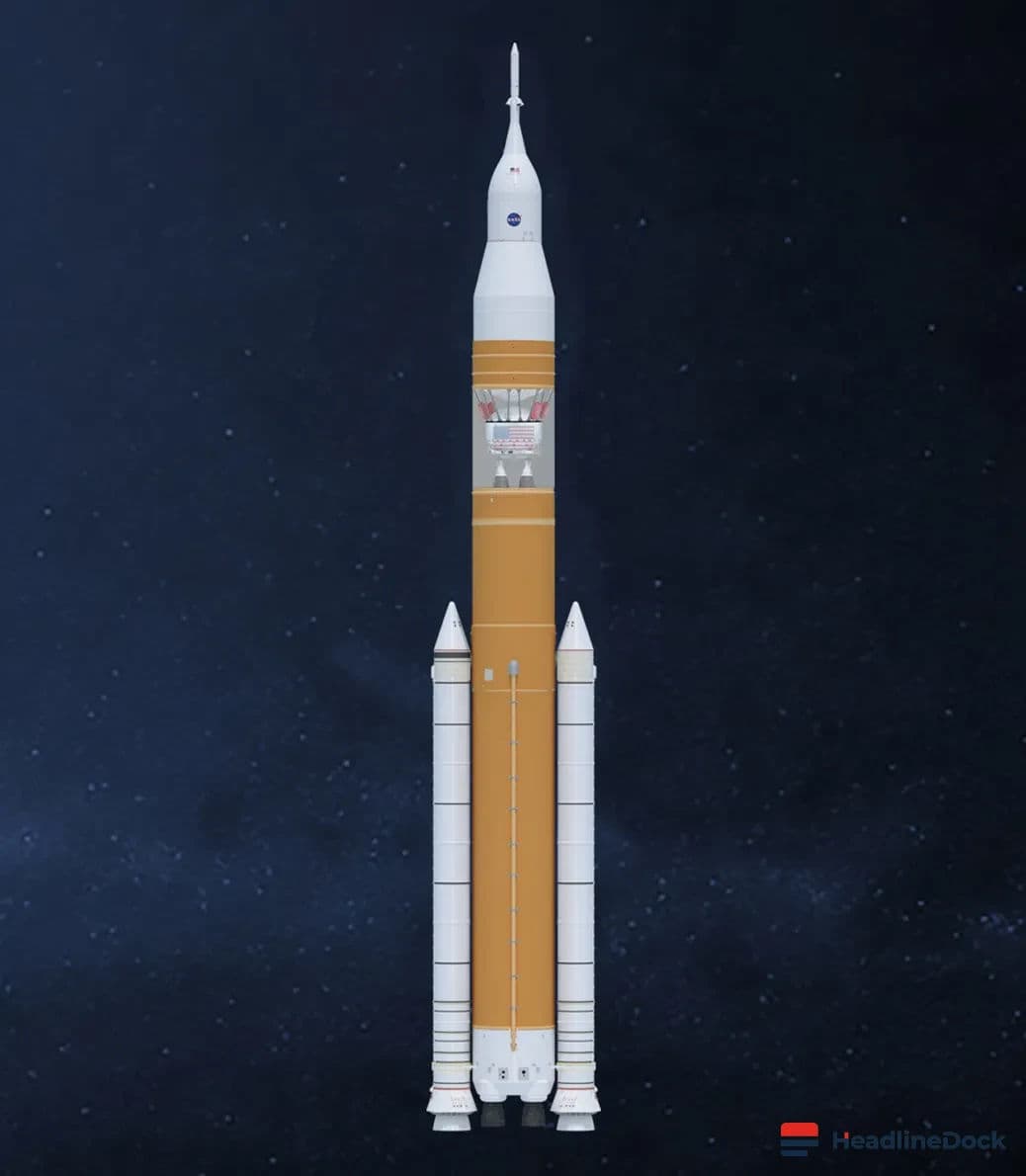
The primary critique centers on the complexity of the lunar landing sequence. During the Apollo era, a single Saturn V rocket launched the entire mission hardware—including the crew capsule and the lander—in one cohesive package. In contrast, the Artemis program requires separate launches for the lander and the Orion spacecraft. This separation necessitates complex in-orbit rendezvous and, for vehicles like SpaceX's Starship, multiple refueling flights to ensure enough propellant is available for the journey to the Moon and back.
Bridenstine emphasized that the success of previous lunar programs relied on simplicity. While he lauded the Space Launch System (SLS) for its successful, crew-rated performance on its inaugural launch, he warned that the lack of a flight-ready lander is a critical bottleneck. "We still don't have a lander, and without a lander, you can't land on the Moon," he stated, cautioning that this delay could become a significant liability for the agency’s long-term goals.
What are the next steps for Artemis lunar landing development?
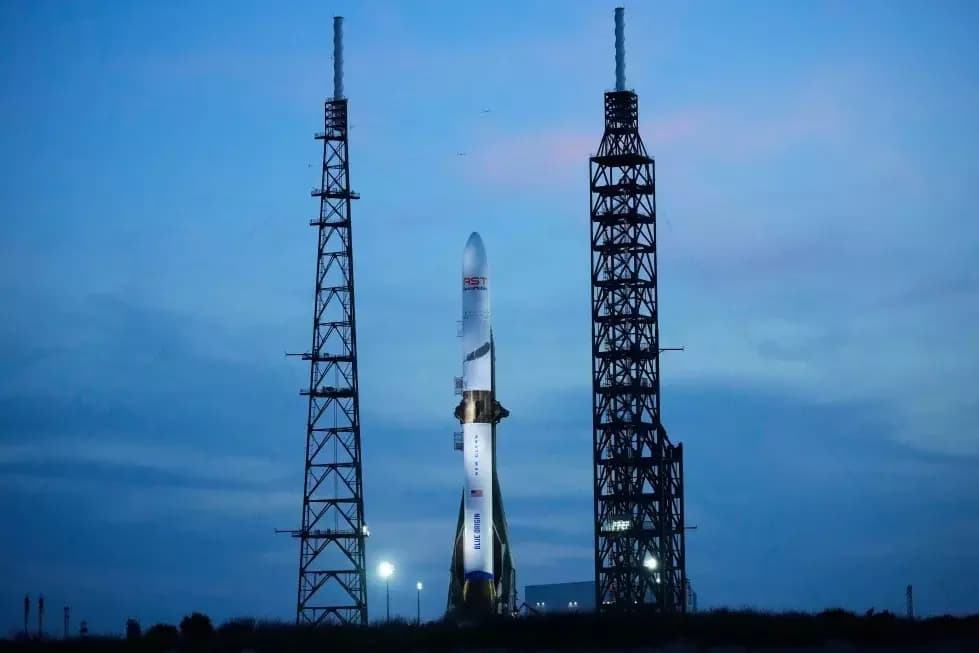
To mitigate these risks, NASA has adjusted its trajectory. Artemis III, currently slated for late 2027, will serve as a critical in-orbit test of the lander technologies, similar to the Apollo 9 mission. During this test, astronauts are expected to board Blue Origin's Blue Moon lander, while Starship will carry a docking adapter to demonstrate compatibility. This shift highlights the urgent need to finalize lander capabilities for the subsequent Artemis IV mission.
The former administrator urged a pragmatic focus on expediency. He argued that the national priority should remain on developing the most reliable and efficient lander as quickly as possible to meet the competitive pressures of the modern space race.
Frequently Asked Questions
Why does the Artemis program use separate launches for its landers?
Unlike the Apollo missions that used the massive Saturn V rocket to launch everything at once, the current Artemis architecture relies on the SLS rocket for the crewed Orion capsule and separate commercial vehicles for the landers, necessitating in-orbit assembly and refueling.
Will Starship or Blue Moon be the primary lander for Artemis?
While Starship was the initial choice for Artemis 4, both Starship and Blue Moon are undergoing development. NASA is using upcoming missions to test their performance and readiness, which could influence the final decision on which vehicle carries the first crew to the surface.
Source Statement
This briefing is distilled from the original source to provide you with clear, structured insights for immediate value.
Read the full source story: Former NASA Chief Questions Artemis Moon Lander Plans, Ex-NASA boss points out small flaw in Moon landing plan: No lander, 'We still don't have a lander': NASA's former chief expresses concerns about Artemis architecture