India’s July 2026 Government Securities Buyback Explained
On July 23, 2026, the RBI announced a ₹20,000 crore buyback of government securities to optimize debt maturity and manage liquidity. The auction, scheduled for July 28, 2026, utilizes the Multiple Price Method to retire debt efficiently, supporting broader fiscal prudence and credit growth in the financial system.
Read it in Short
QUICK OVERVIEW
The Government of India is conducting a ₹20,000 crore buyback of four dated securities to manage debt.
The buyback uses the Multiple Price Method, allowing bidders to receive the specific price they quoted.

Bidding occurs on July 28, 2026, via the RBI’s electronic E-Kuber system for institutional and retail investors.
This strategic exercise reduces debt maturity bunching and injects necessary liquidity into the Indian financial system.
India’s July 2026 Government Securities Buyback Explained
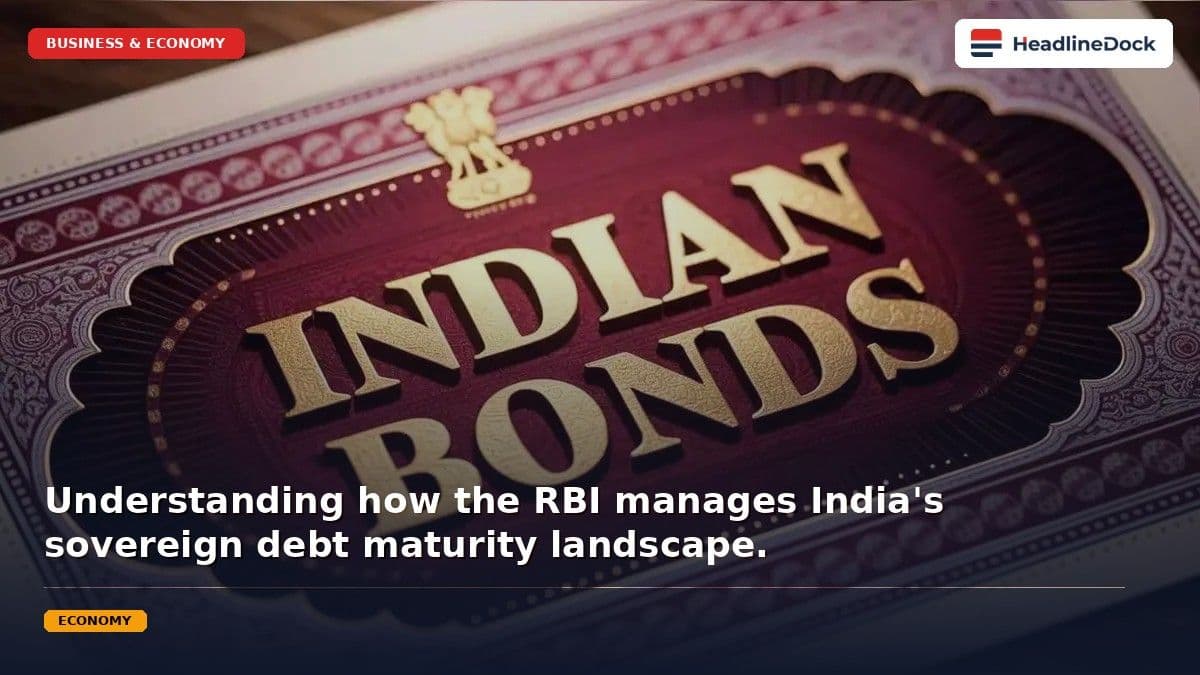
Managing a nation’s sovereign debt is conceptually similar to a corporation restructuring its balance sheet to optimize cash flow and interest obligations. On July 23, 2026, the Government of India, acting through the Reserve Bank of India (RBI), initiated a strategic move to repurchase dated securities with an aggregate face value of ₹20,000 crore. This action is a calculated effort to fine-tune the maturity profile of India’s debt and inject liquidity into the financial system.
What the Buyback Means for the Financial Landscape
The Government of India is repurchasing four specific government securities (G-Secs) that are nearing their maturity dates. By retiring these debts ahead of schedule, the government reduces "maturity bunching"—a scenario where a large volume of debt matures simultaneously, potentially straining the fiscal calendar. This proactive approach helps the government manage its future liabilities while providing liquidity to the banking system, which is crucial during periods of tight cash conditions.
Key Details of the Targeted Securities
| Security | Maturity Date | Coupon Rate |
|---|---|---|
| 7.33% GS 2026 | October 30, 2026 | 7.33% |
| 5.74% GS 2026 | November 15, 2026 | 5.74% |
| 8.15% GS 2026 | November 24, 2026 | 8.15% |
| 8.24% GS 2027 | February 15, 2027 | 8.24% |
How the Auction Works
The buyback will be conducted using the Multiple Price Method. This mechanism allows the government to accept bids at various price points. Consequently, successful bidders will be paid the exact price they quoted, provided those bids are accepted by the RBI. The government retains the right to reject bids or modify the total quantum if market conditions do not align with its valuation targets.
The auction is performed electronically through the RBI’s E-Kuber system. While institutional players—such as commercial banks, primary dealers, and insurance companies—dominate this space, the infrastructure is also accessible to individual investors. Those holding these securities in their accounts can participate via the RBI Retail Direct portal.
Strategic Timeline
For market participants, adherence to the schedule is critical:
- July 23, 2026: Official announcement released by the RBI.
- July 28, 2026 (10:30 a.m. – 11:30 a.m.): The window opens for the electronic submission of offers.
- July 28, 2026 (Post-Auction): The RBI will publish the auction results.
- July 29, 2026: Settlement of the auction takes place.
Troubleshooting and Risks
While the process is standardized, participants should be aware of potential friction points:
- Undersubscription Risk: If prevailing yields in the secondary market are significantly higher than the price the government is willing to pay, institutional interest may wane. The government has the right to accept less than the ₹20,000 crore total if the bidding is not competitive.
- Technical Access: E-Kuber is a specialized system. If an entity encounters submission issues during the one-hour bidding window, they should immediately contact their respective treasury department or bank’s G-Sec desk, as the system does not accommodate manual, off-platform overrides.
The Analyst Perspective
Financial analysts view this buyback as a sign of fiscal prudence. By buying back high-coupon securities, the government reduces its long-term interest expenditure. Simultaneously, by injecting liquidity when it is needed most, the RBI ensures that the banking system remains capable of supporting credit growth. This balance between debt optimization and liquidity management is a hallmark of modern sovereign debt management.
📖 RBI Coverage Timeline (Story Graph)
Follow the chronological evolution of RBI updates and related announcements on HeadlineDock:
- Jul 21, 2026 — RBI Liquidity Operations: Banking System Sees ₹84,420 Crore Absorption
- Jul 21, 2026 — RBI Money Market Operations Update: Assessing Liquidity Absorption for July 2026
- Jul 21, 2026 — RBI Extends Regulatory Directions for The Suri Friends’ Union Co-operative Bank Ltd.
- Jul 21, 2026 — RBI Sets Premature Redemption Price for SGB 2019-20 Series-VIII
- Jul 21, 2026 — RBI Auction Results: States Raise ₹21,491 Crore on July 21, 2026
- Today — Active Coverage: (You are reading this article)
Frequently Asked Questions
What is the primary purpose of this buyback?
The buyback is primarily conducted to manage government debt liabilities, improve cash management, and inject liquidity into the banking system.
Can I submit a bid as an individual investor?
Institutional investors like banks and dealers dominate, but individuals can participate via the RBI Retail Direct portal if they hold the specific securities.
What happens if the auction is undersubscribed?
The Government of India reserves the right to accept less than the notified ₹20,000 crore if the bids received do not align with market conditions.
How is the buyback price determined?
The Multiple Price Method is used, where successful bidders receive the specific price they bid for their securities, subject to RBI approval.