RBI Extends Regulatory Directions for The Suri Friends’ Union Co-operative Bank Ltd.


The Reserve Bank of India has extended its "All-Inclusive Directions" on The Suri Friends’ Union Co-operative Bank in West Bengal for another three months, until October 22, 2026. These ongoing restrictions, first imposed in 2022, limit the bank's lending and withdrawal operations due to persistent financial and liquidity challenges.
Read it in Short
QUICK OVERVIEW
The RBI has extended its "All-Inclusive Directions" on The Suri Friends’ Union Co-operative Bank until October 22, 2026.
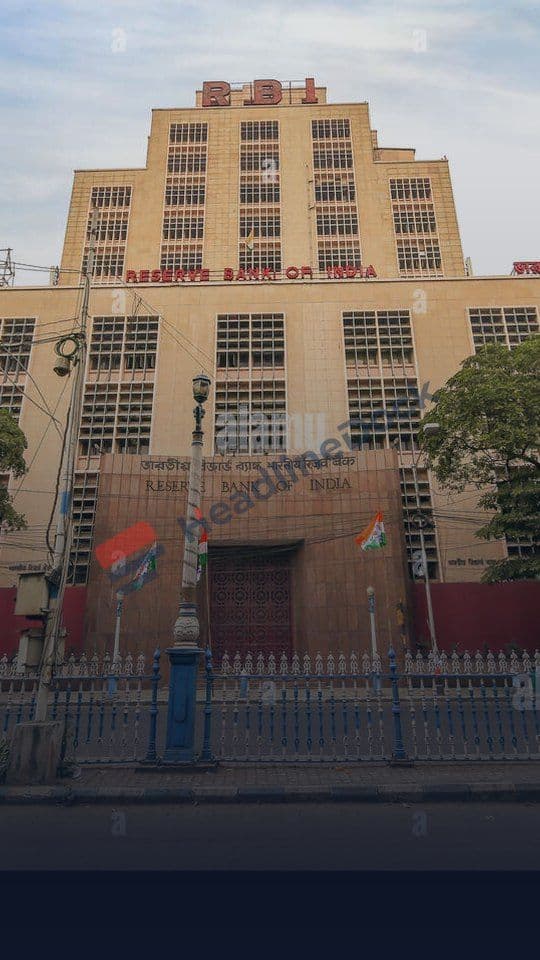
Restrictions, originally imposed in July 2022, include caps on withdrawals and prohibitions on new lending and investments.

The extensions indicate the bank has not yet met the financial health standards required for normal operation.

Depositors are protected by DICGC insurance for balances up to ₹5 lakh per account under the existing Act.
RBI Extends Regulatory Directions for The Suri Friends’ Union Co-operative Bank Ltd.
The Reserve Bank of India (RBI) has formally extended the "All-Inclusive Directions" placed upon The Suri Friends’ Union Co-operative Bank Ltd., based in Suri, West Bengal. According to the regulatory notification issued on July 21, 2026, these restrictive measures will remain in force for an additional three months, effective from the close of business on July 22, 2026, through October 22, 2026.
This decision represents a continuation of the oversight framework first triggered in July 2022. For depositors and stakeholders, this extension serves as a critical indicator of the bank's ongoing navigation through a complex financial rehabilitation process under the watchful eye of the nation’s central bank.
The Regulatory Framework: Why the Extensions Persist
The restrictions are imposed under Section 35A of the Banking Regulation Act, 1949, read with Section 56 of the same Act, which pertains specifically to co-operative societies. When the RBI invokes these powers, it essentially places a bank in a "regulatory holding pattern."
The goal is protective. By limiting the bank’s ability to conduct aggressive financial operations, the RBI aims to stabilize the institution's balance sheet. Persistent extensions—which have occurred in cycles since the initial July 2022 directive—indicate that the bank’s liquidity ratios, capital adequacy, and overall governance standards have not yet reached the threshold required for the regulator to restore normal banking operations.
Operational Restrictions and Their Impact
For customers, the "All-Inclusive Directions" translate to significant changes in day-to-day banking. These constraints are designed to prevent further depletion of the bank's assets and ensure that the institution remains solvent while it addresses internal financial challenges.
| Feature | Status Under Direction |
|---|---|
| Withdrawal Limits | Capped (Contact your branch for current specific limits) |
| Lending Activity | Prohibited without prior RBI approval |
| New Investments | Prohibited without prior RBI approval |
| Liability Incurrence | Restricted (Including acceptance of new deposits) |
These measures are a clear response to systemic liquidity challenges. By preventing the bank from issuing new loans or incurring new liabilities, the RBI effectively "freezes" the bank's risk profile, allowing it to focus exclusively on resolving its existing non-performing assets (NPAs) and improving its capital position.
Understanding Your Position as a Depositor
It is common for depositors to feel uncertainty during such extended periods of regulatory intervention. However, it is important to distinguish between "regulatory supervision" and "liquidation." The current extension suggests that the RBI sees a path toward recovery, provided the bank adheres to strict fiscal discipline.
Crucially, deposits in regulated co-operative banks in India are protected by the Deposit Insurance and Credit Guarantee Corporation (DICGC). Under current regulations, depositors are insured for up to ₹5 lakh per account, subject to the conditions laid out in the DICGC Act. This safety net provides a layer of security for the average saver even during times of institutional stress.
How to Navigate Your Account Access
If you are a customer facing challenges with account liquidity, the following steps are recommended to ensure you remain informed and protected:
- Verify Current Limits: Withdrawal caps are subject to change based on the RBI’s periodic reviews. Do not rely on outdated information; visit your home branch in Suri to receive the latest permissible withdrawal limits.
- Direct Engagement: If you face issues accessing your funds within the permitted limits, address your concerns directly with the bank’s management in writing.
- Escalation Path: Should the bank fail to address legitimate grievances regarding your access to funds under the RBI’s permitted guidelines, you have the right to escalate your complaint to the Banking Ombudsman.
- Monitor Official Channels: The RBI regularly updates its press releases. Track the bank's status by searching for "Suri Friends’ Union Co-operative Bank" on the official Reserve Bank of India website to ensure you receive the most accurate, time-stamped information.
While the four-year duration of these directions since 2022 highlights significant hurdles in the bank's recovery, the continued involvement of the RBI serves as a guardrail. The bank remains under a strict mandate to rectify its governance and financial health, and these periodic extensions are the primary mechanism used to keep that process on track.
📖 RBI Coverage Timeline (Story Graph)
Follow the chronological evolution of RBI updates and related announcements on HeadlineDock:
- Jul 21, 2026 — RBI Government of India Securities Auction: July 2026 Guide
- Jul 21, 2026 — RBI Penalizes Odisha’s United Puri-Nimapara Bank for KYC Lapses
- Jul 21, 2026 — RBI Conversion Auction Results: July 2026 Analysis Explained for Investors
- Jul 21, 2026 — RBI Liquidity Operations: Banking System Sees ₹84,420 Crore Absorption
- Jul 21, 2026 — RBI Money Market Operations Update: Assessing Liquidity Absorption for July 2026
- Today — Active Coverage: (You are reading this article)
Frequently Asked Questions
Can I withdraw my money from The Suri Friends’ Union Co-operative Bank?
Withdrawals are restricted and subject to specific caps set by the RBI. Customers should contact their home branch in Suri for the current permissible withdrawal limit.
Does the extension mean the bank is closing?
The extension is a regulatory measure to manage the bank's financial position under supervision. It does not automatically signify liquidation, though it indicates ongoing financial stress.
Is my money safe?
Deposits are covered by the Deposit Insurance and Credit Guarantee Corporation (DICGC) up to a limit of ₹5 lakh per depositor, subject to the conditions of the DICGC Act.
Why does the RBI keep extending these directions?
The RBI extends these directions when it determines the bank has not yet achieved the necessary financial health or regulatory compliance to operate normally without restrictions.