Impact of Kenya’s Gen Z Protests on Economic Policy and Governance
The 2024 Gen Z protests in Kenya forced significant shifts in fiscal policy and government caution. While the administration has attempted to support youth initiatives, core economic issues like unemployment, corruption, and high debt continue to pose challenges as the 2027 general elections approach.
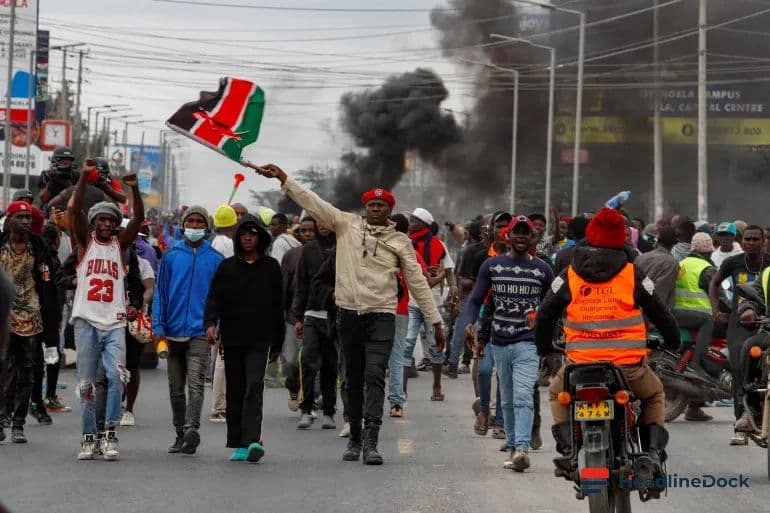
The Gen Z protests in Kenya, which shook the nation throughout 2024, remain a significant topic of analysis as observers evaluate their long-term impact on governance and economic policy. What began as widespread public opposition to the 2024 Finance Bill transformed into a broad movement challenging the country’s political direction. With 63 reported casualties and a massive social media-driven mobilization, these events left an indelible mark on Kenya.
Shifting Approaches to Taxation and Public Spending
Following the unrest, the Kenyan administration has adopted a more cautious stance regarding fiscal policy. Policymakers are now significantly more hesitant to introduce new levies or increase existing taxes, fearing the political instability that characterized the 2024 uprising. Measures like the proposed 16% tax hike on electric bicycles were abandoned in response to these heightened sensitivities.
Instead, the government is focusing on widening the tax base to include the informal sector, which employs roughly 18 million people. However, this strategy faces immense practical hurdles, as many small-scale enterprises operate with thin margins and limited formal records. Furthermore, there has been a noticeable shift toward implementing indirect fees and charges on digital services, which are less politically volatile than direct tax hikes but still contribute to an increased cost of doing business.
Regarding public expenditure, the government faces a persistent struggle to manage high debt-servicing costs and a significant wage bill. In the 2026-27 budget, a major portion of the estimated Sh1.2 trillion deficit is planned to be covered through domestic borrowing. Economists warn that such high levels of domestic borrowing could lead to a "crowding out" effect, where essential capital is pulled away from private sector investment, potentially stifling economic growth.
Policy Outcomes and Lingering Challenges
While the administration has attempted to address youth concerns through new internship programs and enterprise support initiatives, these steps have been viewed by many as insufficient. Youth unemployment remains alarmingly high at approximately 67% for those aged between 15 and 34. The disconnect between government promises and the reality on the ground remains a primary driver of public frustration.
The Gen Z protests served as a wake-up call, emphasizing that the underlying issues of corruption, inequality, and lack of accountability have yet to be fully resolved. As the nation moves toward the 2027 general elections, policymakers are under pressure to move beyond treating youth mobilization merely as a political challenge. Experts argue that failing to integrate the vast, tech-savvy younger demographic into the formal economy as an asset could lead to renewed unrest. Ultimately, the future political landscape will depend heavily on whether the government can deliver genuine economic relief and reform rather than temporary political concessions.
,curated_key_highlights:[