India Increases Russian Crude Oil and Coal Imports Amid Iran Conflict Disruptions
India is significantly increasing imports of Russian crude oil and coal to bolster energy security following supply chain disruptions and price volatility stemming from the Iran conflict, with Russia emerging as a primary supplier for both energy and industrial needs.

In a strategic response to ongoing global energy market shifts, India has significantly ramped up its intake of Russian crude oil and coal. This decision comes as the nation works to stabilize its energy security, mitigating risks associated with supply chain disruptions and price fluctuations linked to the recent Iran conflict.
According to comprehensive data provided by the commodity analytics firm Kpler, the influx of Russian energy resources is substantial. Projections indicate that India will hit a record high in June, importing approximately 2.55 million barrels per day (bpd) of Russian crude oil, a notable rise from the 2.13 million bpd recorded in May. These figures suggest that Russian supplies will soon constitute nearly 50 percent of the nation's total crude imports of 5.29 million bpd, a sharp deviation from the 23 percent average observed in the months preceding the current regional tensions.
Energy Diversification and Market Shifts
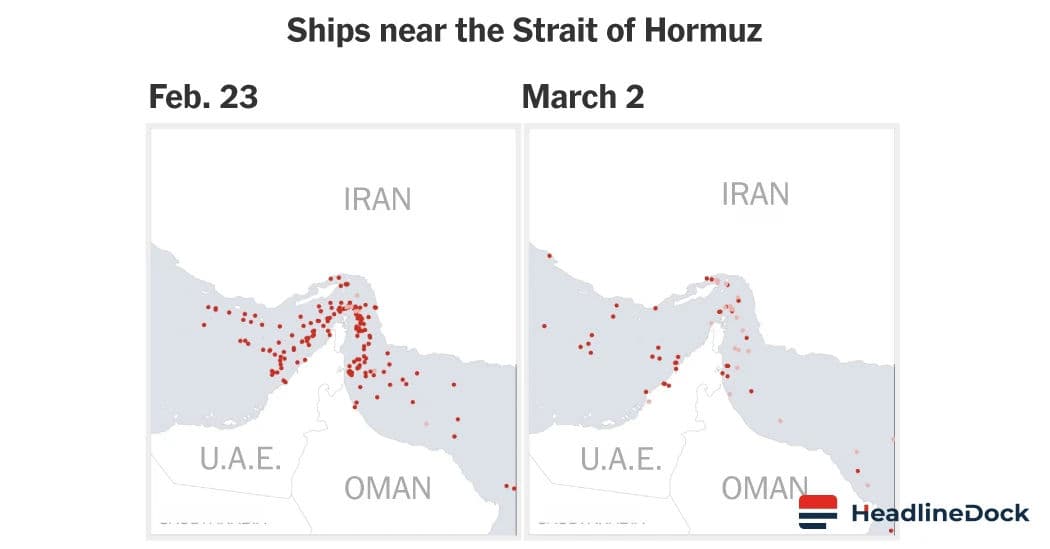
The pivot toward Russian crude oil was prompted by escalating concerns over energy security following the conflict involving Iran, Israel, and the United States. As traditional Middle Eastern supply routes faced instability and price volatility, domestic refiners strategically opted for discounted alternatives to ensure a steady energy flow.
This shift has coincided with a cooling of trade with established partners. For instance, imports from Saudi Arabia have seen a marked decline, with estimates placing June imports at 349,000 bpd, down from an average of 832,000 bpd during the pre-conflict period.
Beyond oil, India has also expanded its reliance on Russian coal. Projections show June imports of coal reaching 3.16 million tonnes, continuing the trend established in May when imports hit 3.27 million tonnes. This makes Russia the second-largest coal supplier to the country, trailing only Indonesia but outperforming Australia.
Steel Sector Demand and Future Outlook
Russian metallurgical coal has also become critical for the country’s industrial growth, particularly within the steel sector. In May alone, India imported 2.02 million tonnes of this essential material. The total volume of metallurgical coal imports surged to a record 8.05 million tonnes, highlighting the intense demand from a rapidly expanding steel industry.
The outlook for domestic steel production remains bullish, with official targets aiming to increase annual output from approximately 168 million tonnes to 400 million tonnes by 2035. With nearly 25 million tonnes of new production capacity slated for addition this year, the need for high-quality metallurgical coal remains paramount. While India possesses significant domestic thermal coal reserves, it must rely on international suppliers like Russia, Australia, the United States, and Mozambique to meet the specific requirements of its steel manufacturing processes.
""",curated_key_highlights:[