India Joins WTO Agreement on Fisheries Subsidies: Balancing Global Sustainability

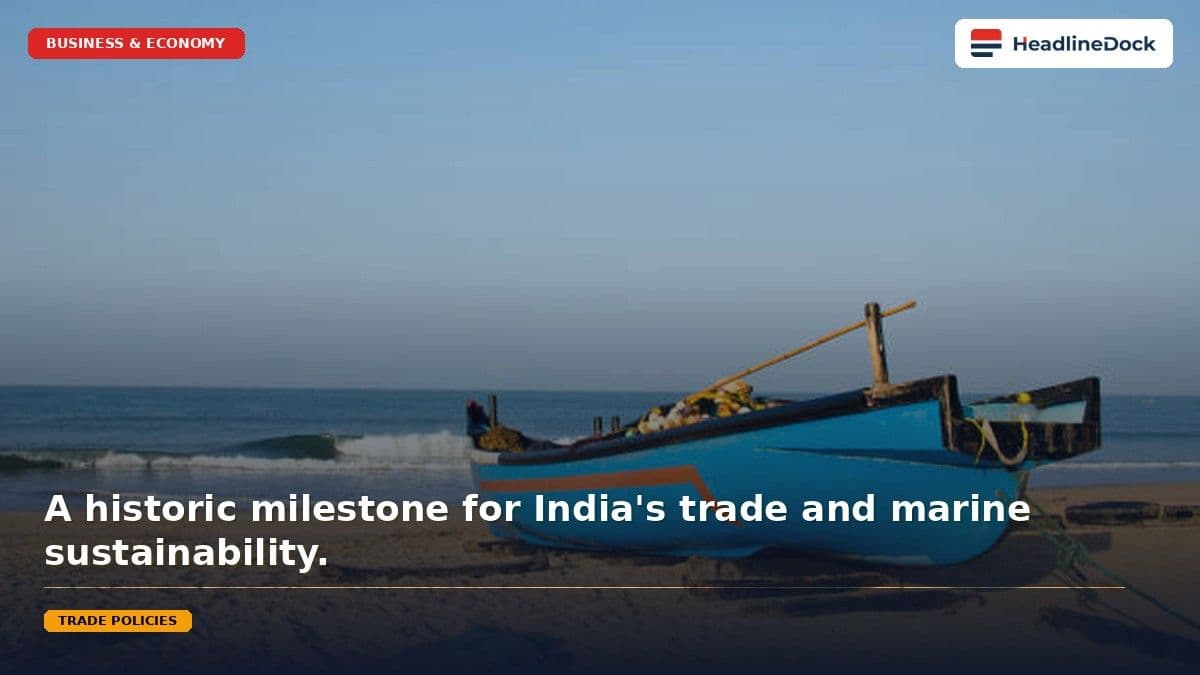
India has formally joined the WTO Agreement on Fisheries Subsidies to combat overfishing. While committing to curb harmful industrial subsidies, India protected its vital aquaculture sector and artisanal fishing communities, ensuring domestic food security and economic competitiveness remain intact under the new multilateral trade framework effective July 2026.
Read it in Short
QUICK OVERVIEW
India officially became the 123rd member of the WTO Agreement on Fisheries Subsidies on July 20, 2026.
The agreement mandates the curbing of harmful subsidies that drive illegal, unreported, and unregulated (IUU) fishing globally.

India’s aquaculture sector, including its vital shrimp export industry, remains fully exempt from these new WTO regulations.
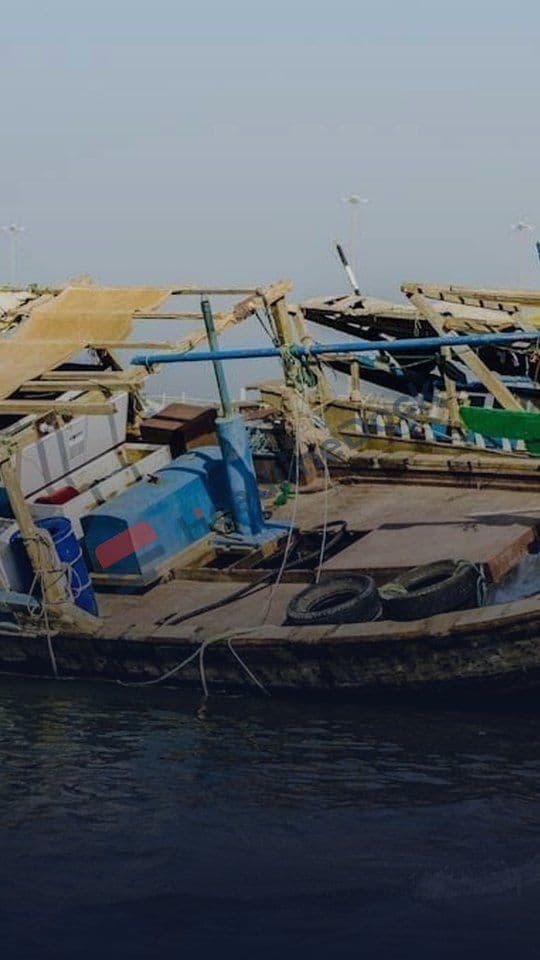
The government will utilize the 2025 EEZ Rules and PMMSY initiatives to ensure compliance while protecting small-scale fishers.
India Joins WTO Agreement on Fisheries Subsidies: Balancing Global Sustainability
In a major diplomatic and economic pivot, India formally deposited its Instrument of Acceptance for the WTO Agreement on Fisheries Subsidies (AFS) on July 20, 2026. By becoming the 123rd member to join the accord, India has transitioned from a cautious negotiator—often characterized by international critics as a potential "blocker" of the deal—into an active participant in the global effort to curb overfishing.
This development marks a significant shift in India’s trade strategy. After years of intense diplomatic pressure to ratify the agreement, which was initially adopted at the 12th WTO Ministerial Conference in June 2022, India has officially aligned itself with a multilateral framework designed to curb subsidies that contribute to illegal, unreported, and unregulated (IUU) fishing. The move underscores a strategic calculation: protecting the localized needs of India's coastal fishers while bolstering its reputation as a sustainable player in the international seafood market.
Scope and Safeguards: What the Agreement Actually Regulates
The AFS is fundamentally a rulebook for marine wild capture fishing. Its primary mission is to eliminate financial support that incentivizes industrial fleets to over-exploit marine resources.
Importantly, India has successfully ring-fenced its most economically vital sector: aquaculture. Because shrimp farming and inland fisheries remain entirely outside the scope of the WTO agreement, India’s massive seafood export engine remains unburdened by these international mandates. This exemption allows India to maintain its competitive edge in global shrimp markets while signaling a commitment to environmental stewardship in its wild-capture marine waters.
Comparison: Traditional Subsidies vs. Post-Agreement Standards
| Feature | Traditional Subsidy Era | Post-Agreement Era (2026+) |
|---|---|---|
| IUU Fishing Subsidies | Unregulated/Loose | Strictly Prohibited |
| Small-Scale Fishing | Unprotected | Specifically Safeguarded |
| Aquaculture/Inland | N/A | Excluded from WTO rules |
| EEZ Monitoring | General Oversight | Stringent 2025 Framework Rules |
Bridging Policy: From Domestic Rules to Global Compliance
India’s path to ratification was paved by the introduction of the "Sustainable Harnessing of Fisheries in the EEZ Rules" in 2025. These domestic regulations act as the bridge between India’s national interests and its new WTO obligations. By implementing these, the Indian government has created a localized governance framework that aligns with international standards while ensuring the livelihoods of over 100 million people involved in the fishing sector remain intact.
This implementation strategy is supported by ongoing initiatives under the Pradhan Mantri Matsya Sampada Yojana (PMMSY). By integrating the WTO’s environmental goals into existing national development plans, India avoids a "one-size-fits-all" trap, ensuring that small-scale, artisanal fishers are not inadvertently penalized by rules meant for high-seas industrial trawlers.
Implementation Challenges: Distinguishing Between Scales
While the accession is a milestone, it introduces administrative challenges. The core issue lies in the monitoring and verification of fishing activities. To comply with the WTO, India must rigorously differentiate between artisanal, small-scale coastal fishing—which is protected—and the larger, industrial-scale actors whose subsidies are now prohibited.
Addressing Compliance Challenges:
- Administrative Burden: Distinguishing vessel types requires high-resolution monitoring.
- Data Transparency: India must enhance its reporting mechanisms for marine catch data to avoid potential trade disputes.
- Mitigation Strategy: India is currently utilizing its 2025 EEZ framework to automate vessel identification, ensuring that artisanal boats are logged correctly.
The Strategic Shift
For observers of international trade, India’s ratification is a calculated evolution of its trade posture. By moving from a position of "blocking" to "active implementation," India has neutralized the diplomatic friction that defined its relations with other WTO members through early 2026. By joining, India has secured the "policy space" required to protect its millions of small-scale fishers, ensuring that global ocean trade rules are implemented on terms that respect domestic food security.
Frequently Asked Questions
Does the WTO Fisheries Agreement affect Indian aquaculture?
No. Aquaculture and inland fisheries remain entirely outside the scope of this agreement, meaning India's shrimp exports are unaffected.
Will this agreement hurt small-scale Indian fishers?
The government asserts that the agreement protects traditional and small-scale fishers by focusing on disciplining large-scale industrial, distant-water fleets.
Why was India criticized before ratification?
India previously delayed ratification to secure necessary "policy space" to support its large population of artisanal fishers and ensure food security.
How does India plan to enforce this agreement?
Compliance is managed through the "Sustainable Harnessing of Fisheries in the EEZ Rules, 2025" and monitoring under the Pradhan Mantri Matsya Sampada Yojana.
Related Articles
 Environmental Activist Alex Serna Found Deceased After Disappearance in Zihuatanejo
 Dragonflies: Prehistoric Aerial Masters Facing Modern Environmental Threats
 The Hidden Environmental Costs of Industrial Forest Plantations in Iberia
 Canada’s AI Strategy Must Reckon With Environmental Impact of Data Centres