Canada’s AI Strategy Must Reckon With Environmental Impact of Data Centres
The expansion of AI data centers in Canada, specifically Alberta's Wonder Valley project, is raising significant environmental concerns. As electricity and water demands for AI grow, experts call for greater transparency and stronger rules to ensure sustainable digital infrastructure development and Indigenous consultation.
Highlights
- •The Sturgeon Lake Cree Nation is challenging the Wonder Valley AI Data Centre Park over environmental and resource concerns.
- •AI infrastructure consumes massive amounts of electricity and water, challenging the 'clean' perception of the cloud.
- •The International Energy Agency predicts global data center electricity demand could exceed 945 terawatt-hours by 2030.
- •Critics urge that AI growth in Canada must prioritize transparency, Indigenous consultation, and sustainable resource management.
The rapid expansion of artificial intelligence infrastructure in Canada, particularly the proposed Wonder Valley AI Data Centre Park in Alberta, has sparked a critical debate regarding environmental sustainability. As the nation pushes its AI strategy to foster economic growth and global competitiveness, the physical requirements of this digital transformation—land, water, and energy—are coming under intense scrutiny.
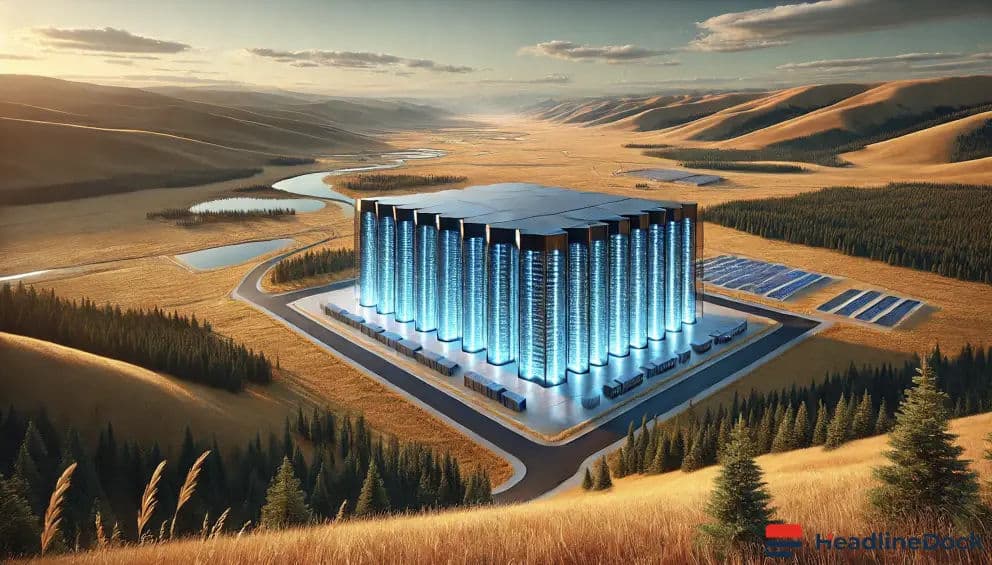
The Sturgeon Lake Cree Nation recently challenged the development of the Wonder Valley project in court, highlighting the growing tension between technological advancement and resource management. This facility, envisioned as the largest of its kind, aims to utilize a 1.4-gigawatt off-grid power system supported by regional natural gas and geothermal assets. The controversy underscores a broader realization: despite the popular "cloud" metaphor, artificial intelligence is inherently tied to tangible, localized material resources.
Addressing the Environmental Footprint of AI Infrastructure
Modern data centers function as massive industrial hubs, requiring constant electricity, sophisticated cooling systems, and extensive backup capabilities to keep servers operational. Projections from the International Energy Agency suggest that electricity demand from global data centers could double by 2030, reaching approximately 945 terawatt-hours. This surge in power consumption necessitates a re-evaluation of how AI infrastructure integrates into existing power grids and impacts natural resources, particularly in water-stressed areas.
The reliance on the "data is the new oil" narrative to justify large-scale projects like Wonder Valley has prompted calls for greater transparency. Critics argue that framing data centers as the next stage of Alberta’s fossil fuel-dependent economy risks cementing long-term resource reliance rather than moving toward a cleaner, more sustainable digital future. There is a pressing need for developers and governments to disclose expected impacts on electricity, emissions, and land use transparently.
Ensuring Accountability in Digital Growth
As Canada continues to prioritize sovereign compute and large-scale data center construction, the integration of environmental and ethical considerations is paramount. Moving forward, the development of AI infrastructure must prioritize rigorous consultation processes with Indigenous nations. Treaty obligations and the protection of local ecosystems should be fundamental components of any project proposal, rather than treated as secondary procedural steps.
The ultimate challenge for the Canadian government lies in deciding whether to follow traditional resource development models or to pioneer a more accountable framework for the digital economy. Establishing stricter regulations for resource usage and emissions will be essential to ensure that the pursuit of artificial intelligence does not come at the cost of the environment or the rights of local communities. Aligning AI strategy with ecological health is vital for building a truly resilient and competitive future.