India-Bound Ships Transit Strait of Hormuz After US-Iran Peace Agreement
Following a recent US-Iran peace memorandum, 11 India-bound ships, including major crude oil tankers, have safely transited the Strait of Hormuz. NSA Ajit Doval highlighted this as a positive development for India's energy security and regional supply chain stability during the BRICS national security meeting.
Highlights
- •Eleven India-bound vessels, including three crude oil tankers, have transited the Strait of Hormuz since the June 17 US-Iran agreement.
- •National Security Adviser Ajit Doval noted that the route opening is expected to ease supply chain bottlenecks for energy and chemicals.
- •High-level bilateral meetings were held with Iranian and Russian officials to review regional security and strategic cooperation.
- •Discussions at the 16th BRICS meeting covered critical security threats including terrorism, cyber security, and emerging disruptive technologies.
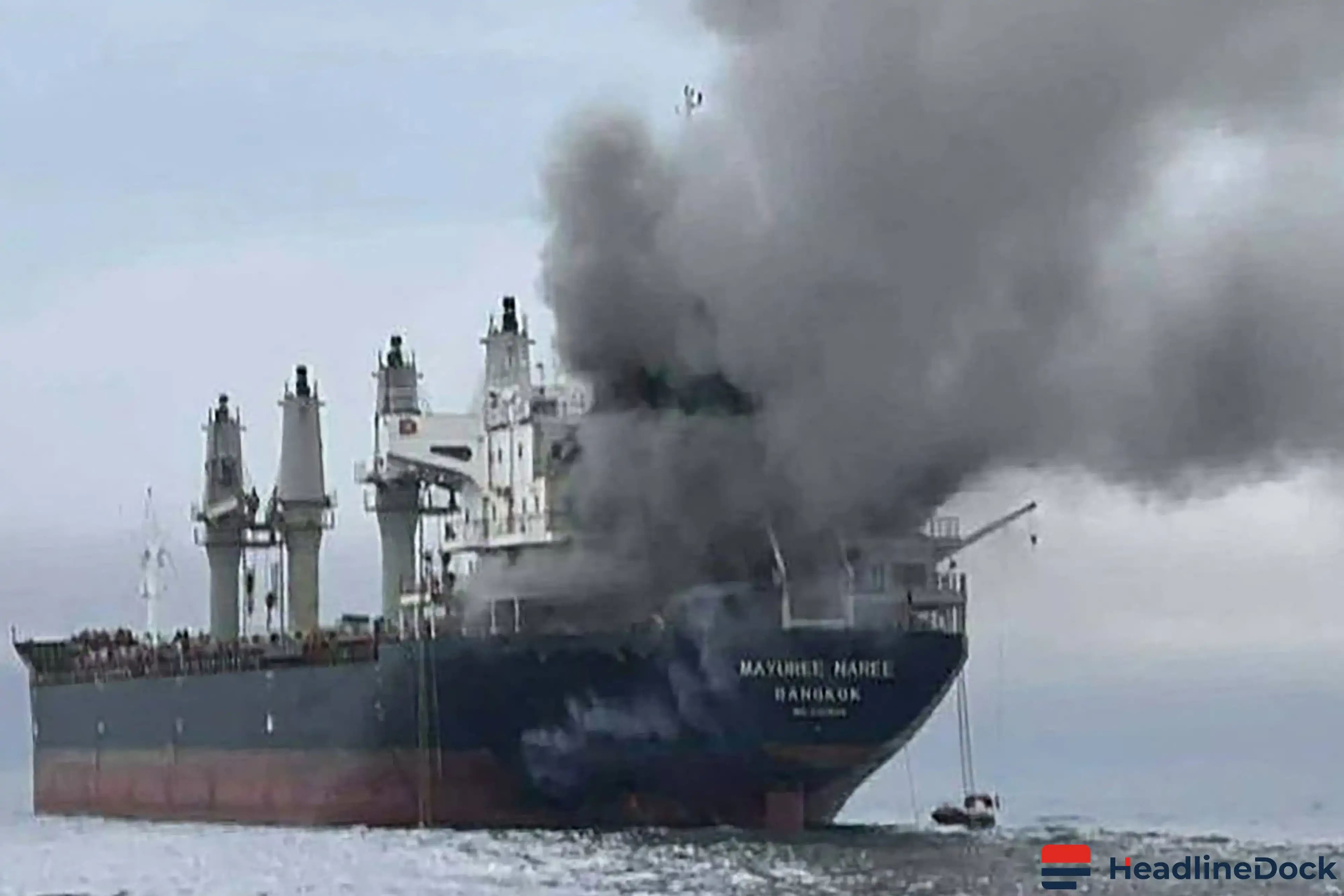
Following a pivotal diplomatic development, 11 India-bound ships have successfully transited through the Strait of Hormuz in the days immediately following a peace memorandum of understanding signed between the United States and Iran. This significant movement includes three Indian-flagged crude oil tankers, each transporting over 285,000 metric tons of crude oil, signaling a potential stabilization in regional maritime logistics.
Energy Security and Strategic Implications
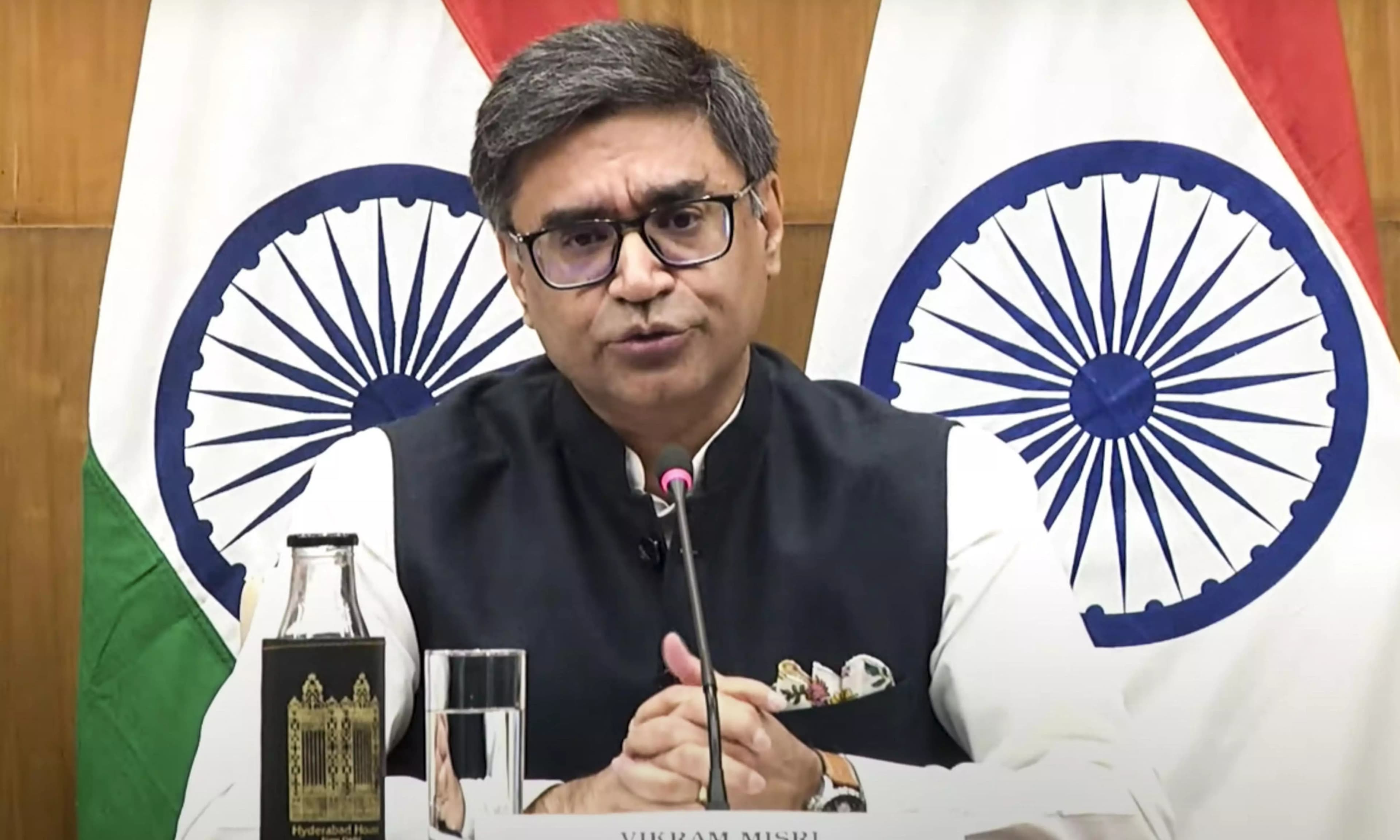
National Security Adviser Ajit Doval addressed the importance of this development during the 16th BRICS National Security Advisers meeting held in New Delhi. Expressing cautious optimism, Doval emphasized that the reopening of the Strait of Hormuz is a welcome step that could substantially alleviate supply chain bottlenecks. He noted that this development is expected to address critical shortages in essential industrial sectors, including fertilizers and chemicals, thereby strengthening energy security.
The Ministry of External Affairs (MEA) confirmed that 10 Indian-flagged vessels were already present in the Persian Gulf region, with two additional ships arriving shortly after the June 17 agreement. During the BRICS deliberations, security officials exchanged views on various non-traditional threats, including cyber security, climate-induced instability, and the use of disruptive technologies by terrorist organizations. Doval reaffirmed the collective commitment of the participating nations to combat terrorism in all its forms.
High-Level Diplomatic Engagement
On the sidelines of the security meeting, Ajit Doval engaged in high-level bilateral discussions. He met with the Iranian deputy secretary for defence, Ghadir Nezamipour, to review the ongoing situation in West Asia and explore avenues for deeper cooperation. Furthermore, Doval held discussions with the Russian Security Council secretary Sergei Shoigu. These talks focused on strengthening the India-Russia special and privileged strategic partnership, alongside reviewing proposals within the BRICS framework.
As India prepares to host the BRICS Leaders’ Summit this September, the recent maritime transit activity serves as a practical demonstration of how regional stability can directly impact global trade flows. The 11-member grouping continues to navigate complex geopolitical uncertainties, with India playing a central role in facilitating dialogue regarding energy, food, and supply chain security amid a volatile global environment.