US House Backs Resolution to End Iran War Amid Talks Stagnation
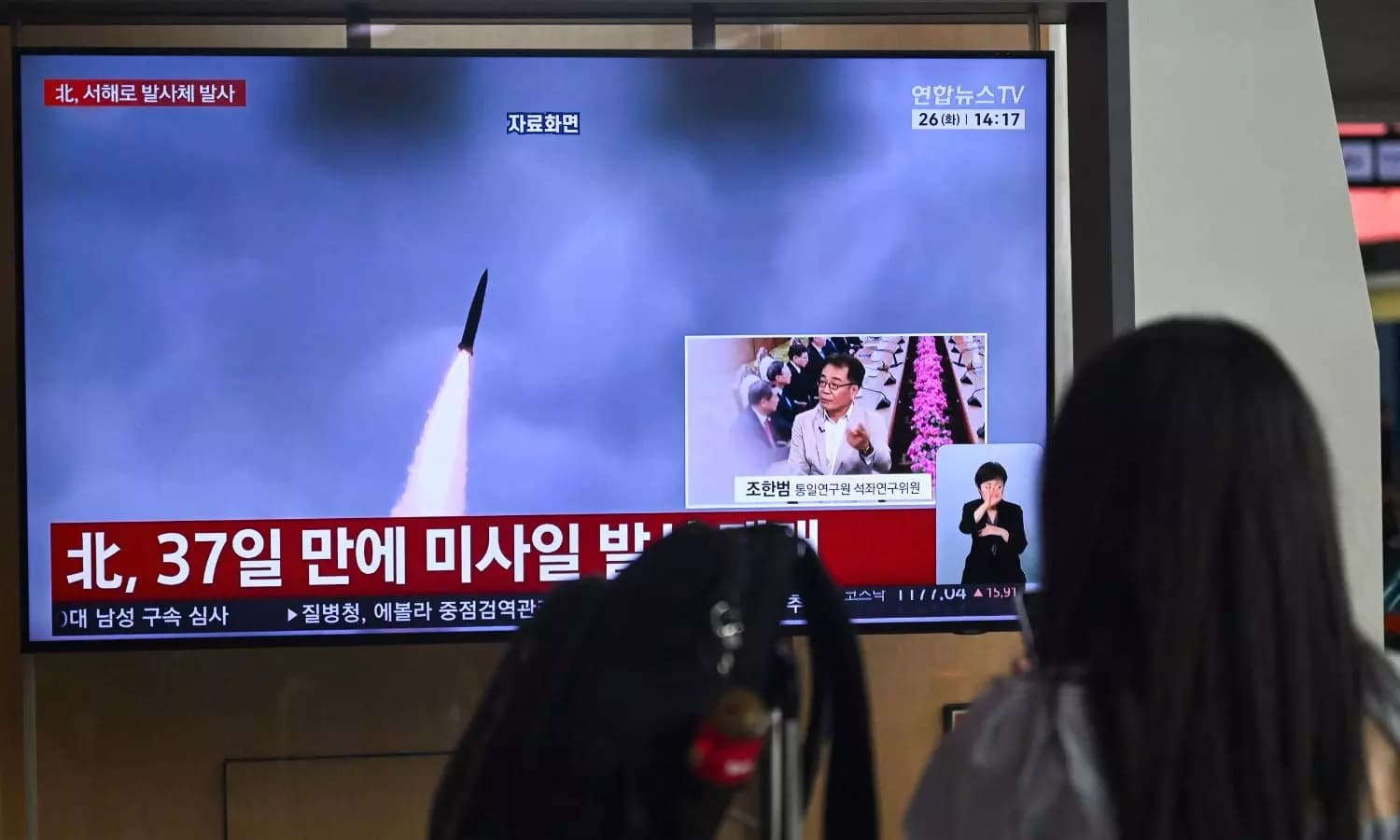
The US House has backed a resolution aiming to end American military involvement in Iran, marking a political blow for President Trump amid stalled talks with Tehran. Violent incidents, including an Iranian drone strike, continue to escalate tensions, underlining the challenges of achieving a lasting peace.
Highlights
- •US House backs resolution to end war in Iran
- •Iranian drone strike kills one at Kuwait airport
- •Washington demands de-escalation and reopening of Hormuz Strait
- •Israel-Libanon ceasefire tenuous amid ongoing hostilities
Following weeks of intense negotiations marked by diplomatic tensions, the US House of Representatives has overwhelmingly backed a resolution aiming to end American military action in Iran. This symbolic move is seen as a political setback for President Donald Trump, whose efforts to reach a deal with Tehran have stalled.
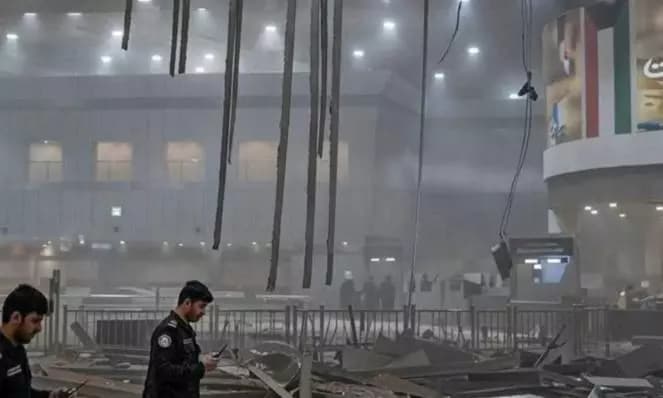
The latest flare-up included an Iranian drone strike on a passenger terminal at Kuwait International Airport that killed one person and injured 63 others. Although Washington and Tehran have sent mixed signals in recent days—Tehran stated 'no tangible progress' was made, while Trump expressed optimism—the situation remains volatile.
Symbolic but Limited Impact
The resolution passed by the House, supported by four Republican lawmakers alongside Democrats, garnered a 215-208 vote. However, it is largely symbolic due to President Trump's powers of veto if it gains Senate approval. Democratic spokespersons emphasized this as 'a loud and unambiguous message': 'it's time to end his deeply unpopular and illegal war of choice in Iran.'
During a congressional hearing, US Secretary of State Marco Rubio highlighted the central issues of discussion with Tehran, including Iran's highly enriched uranium stockpile. Washington insists that any peace agreement must address this and other nuclear activities while re-opening the Strait of Hormuz, crucial for oil shipping.
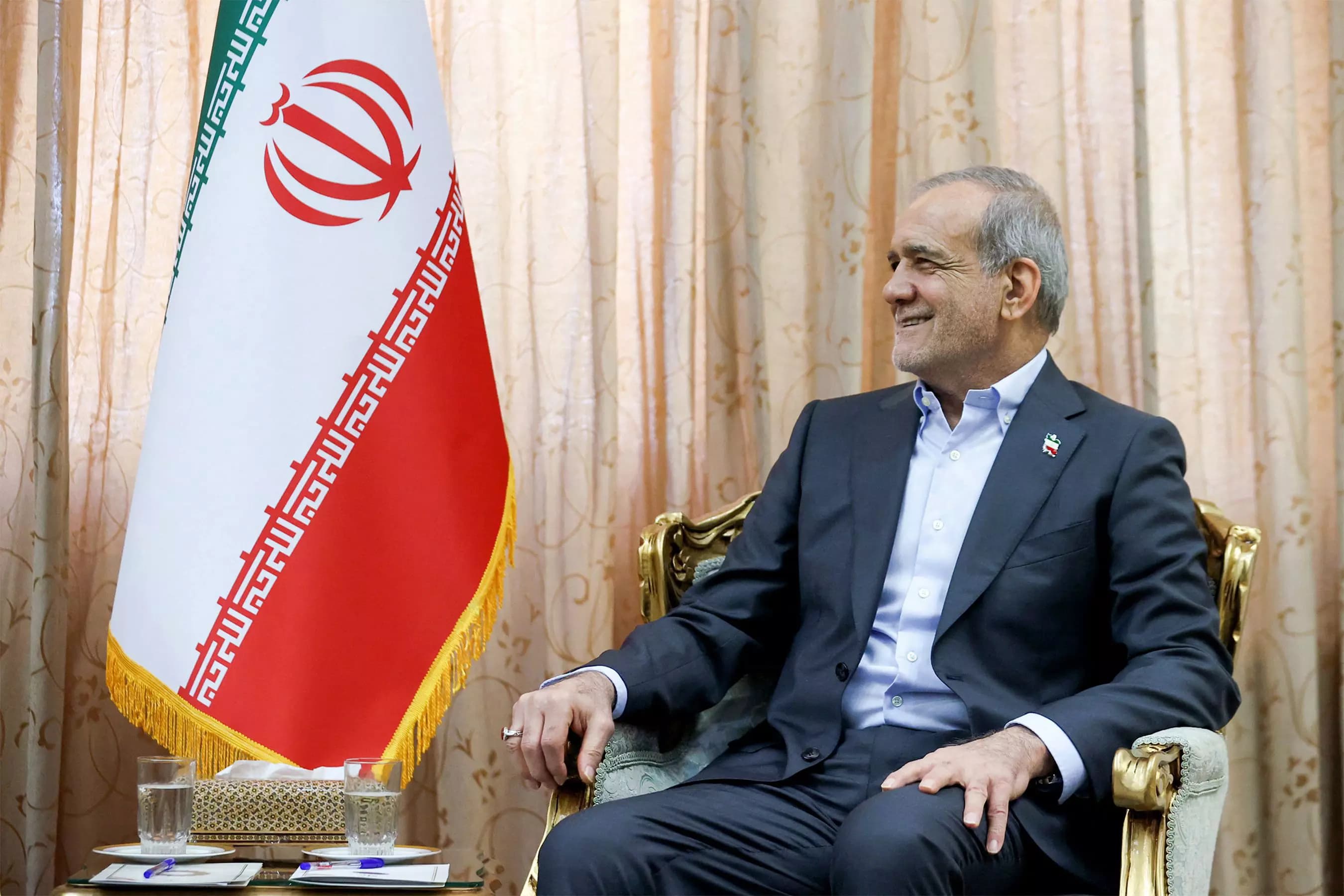
In reaction to the drone strike on the airport in Kuwait, Iran's Revolutionary Guards denied attacking but accused US forces of provoking a counterattack. This latest event represents one of the more severe tests yet of the ceasefire that paused the conflict since April 8th.
Escalating Violence
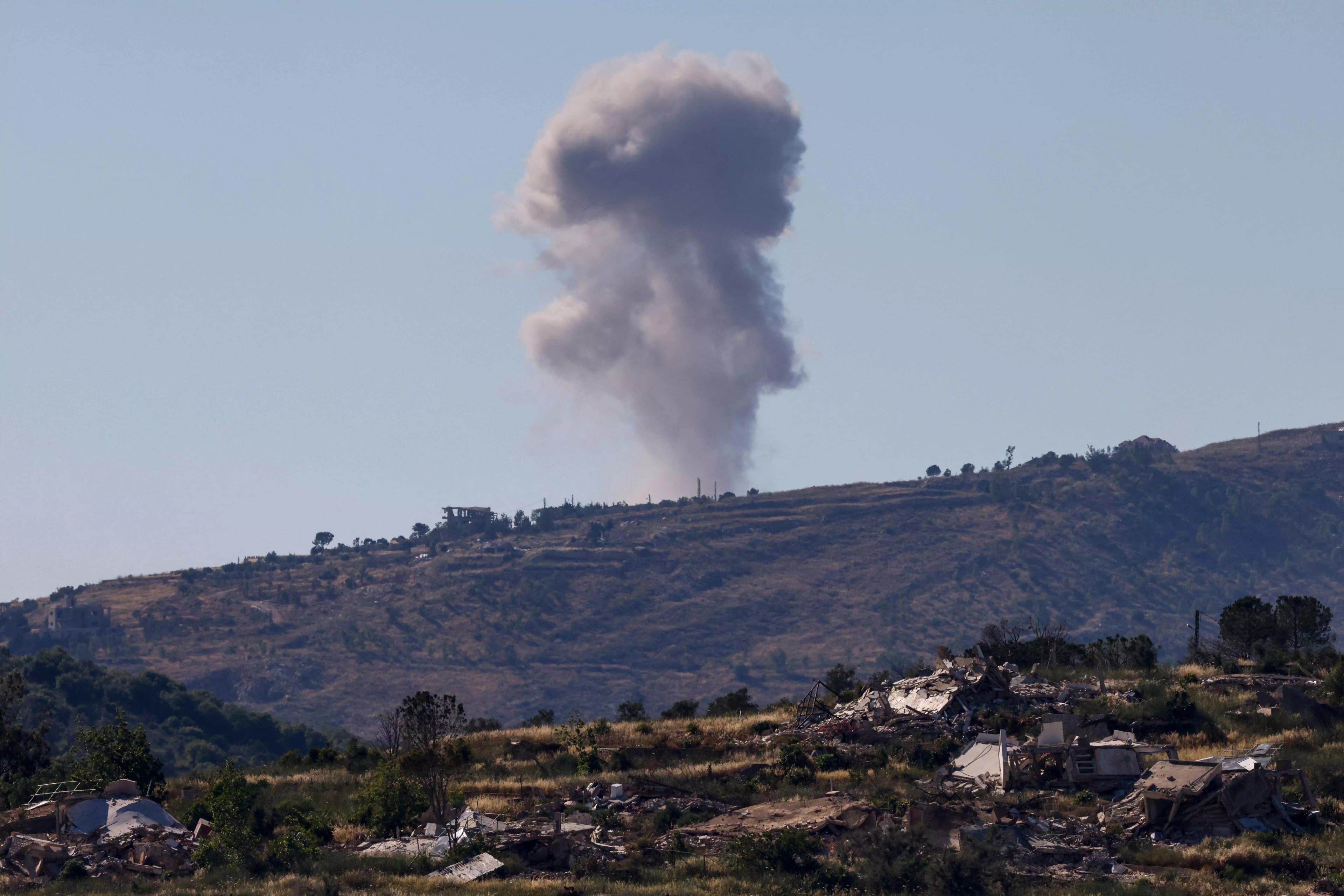
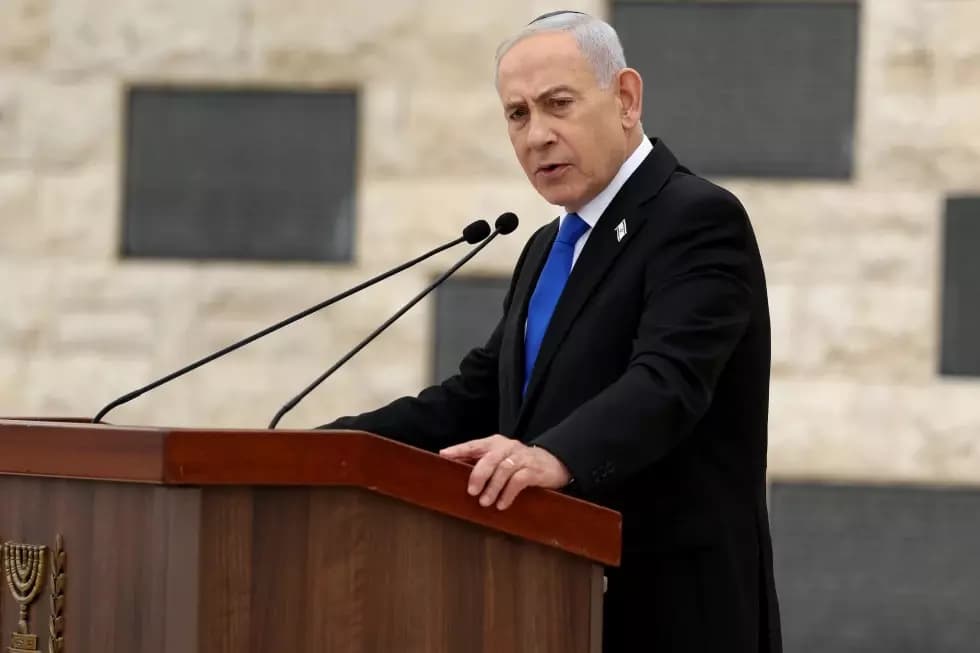
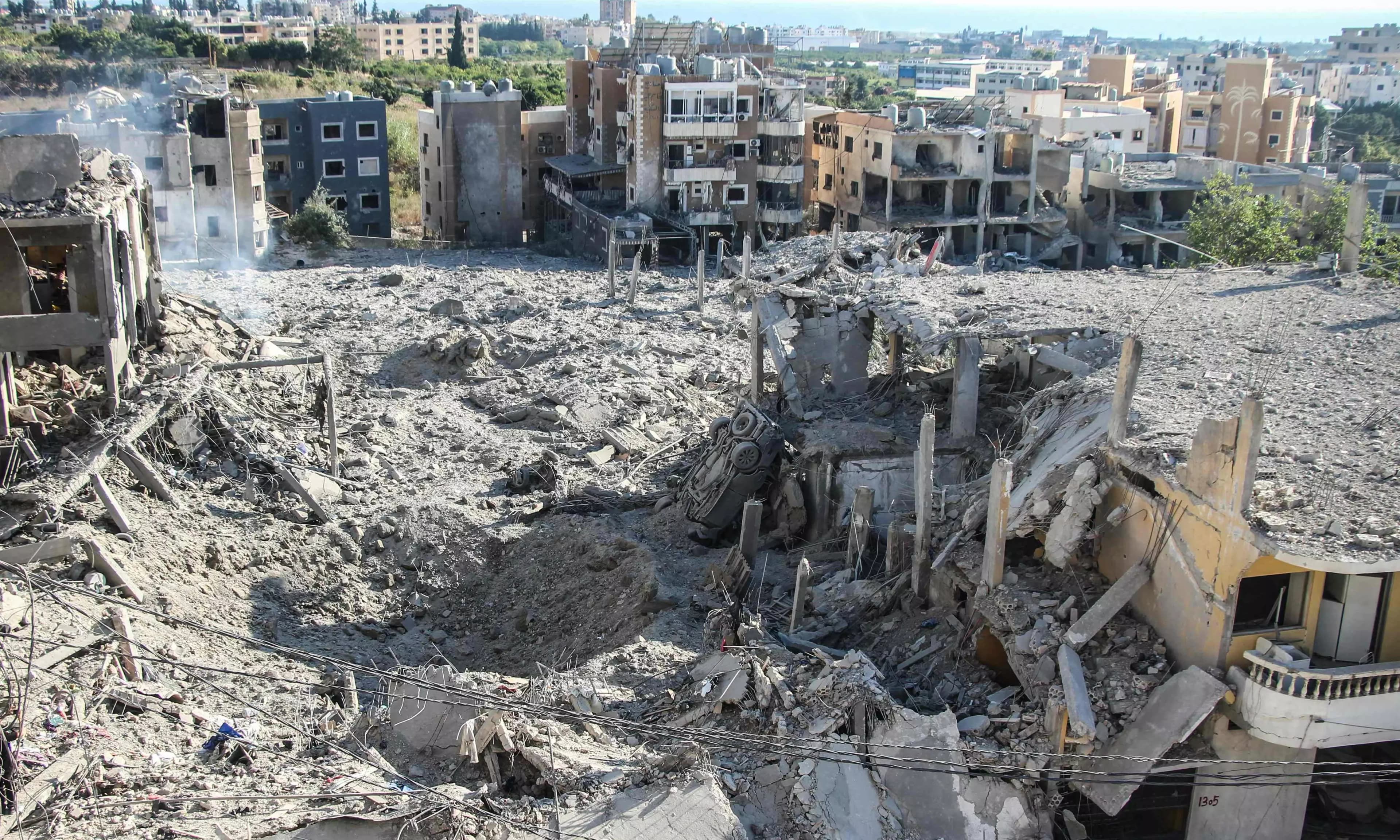
In Israel and Lebanon, a ceasefire agreement was reached on Tuesday after two days of direct talks with US guidance. However, continued exchanges of fire between Israel and Hezbollah have marred the cessation, leading to further hostilities. Israeli Prime Minister Benjamin Netanyahu accused Iran of 'playing with fire,' warning that any attack on Beirut would trigger full-scale conflict.
The international airport in Kuwait remains a frequent target during these conflicts, with resumed operations only partly restored this week following previous attacks. The ongoing fighting underscores the gravity and complexity of the situation in the region, impacting diplomatic efforts to achieve lasting peace.