Hezbollah Rejects Latest Ceasefire Agreement Amid Israeli Strikes in Lebanon
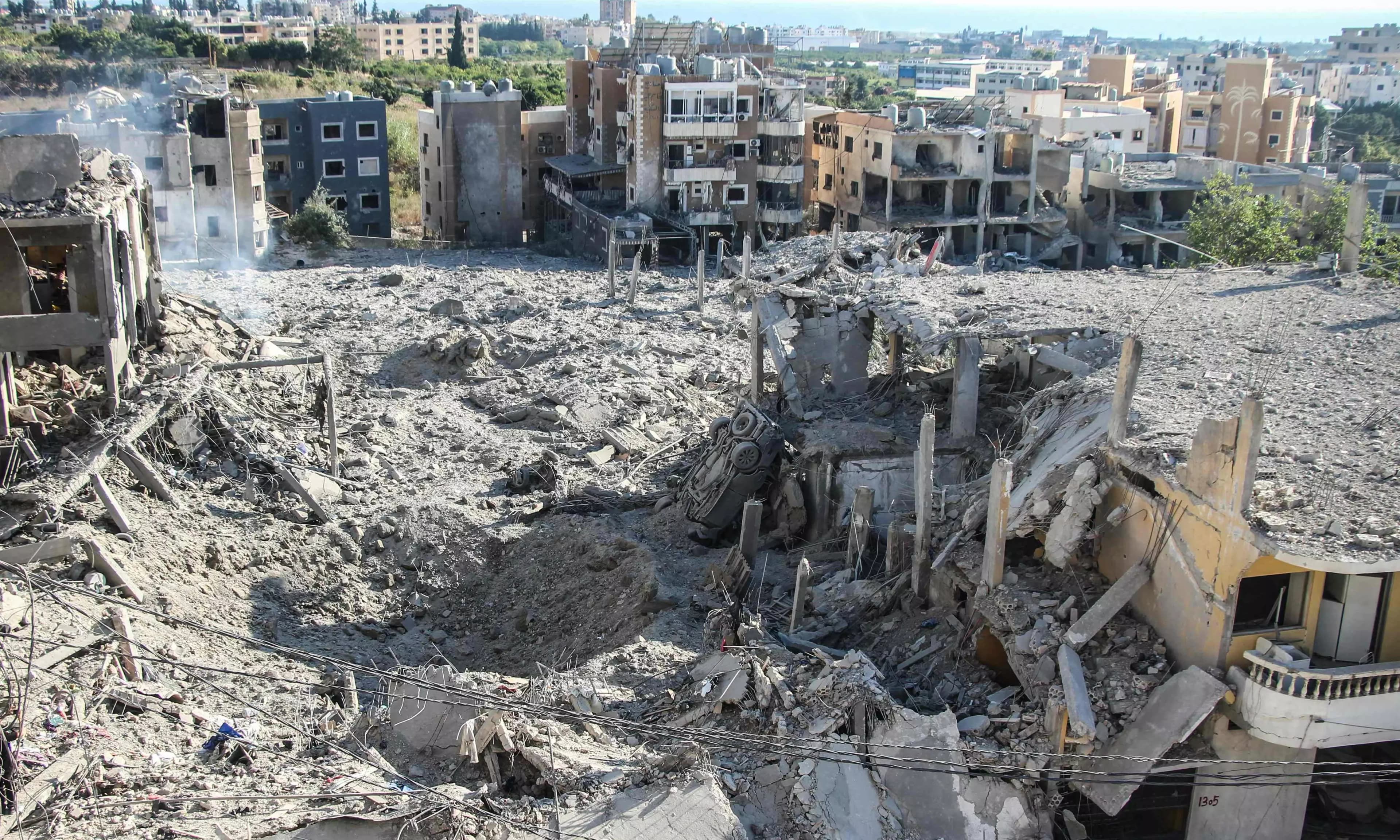
Following Israeli strikes in southern Lebanon that left four people dead, Hezbollah rejected the latest ceasefire agreement, insisting on a complete Israeli withdrawal to ensure villagers' safety.
Highlights
- •Hezbollah rejects the latest ceasefire agreement
- •Israeli strikes kill 4 in Lebanon
- •Lebanese troops enter conflict zones
- •Deadly escalation threatens regional stability
Hezbollah on Thursday rejected the latest ceasefire agreement between Israel and Lebanon, expressing strong dissatisfaction with terms they deemed humiliating. The militant group demanded a complete Israeli withdrawal from Lebanon as more fighting continued to threaten stability.
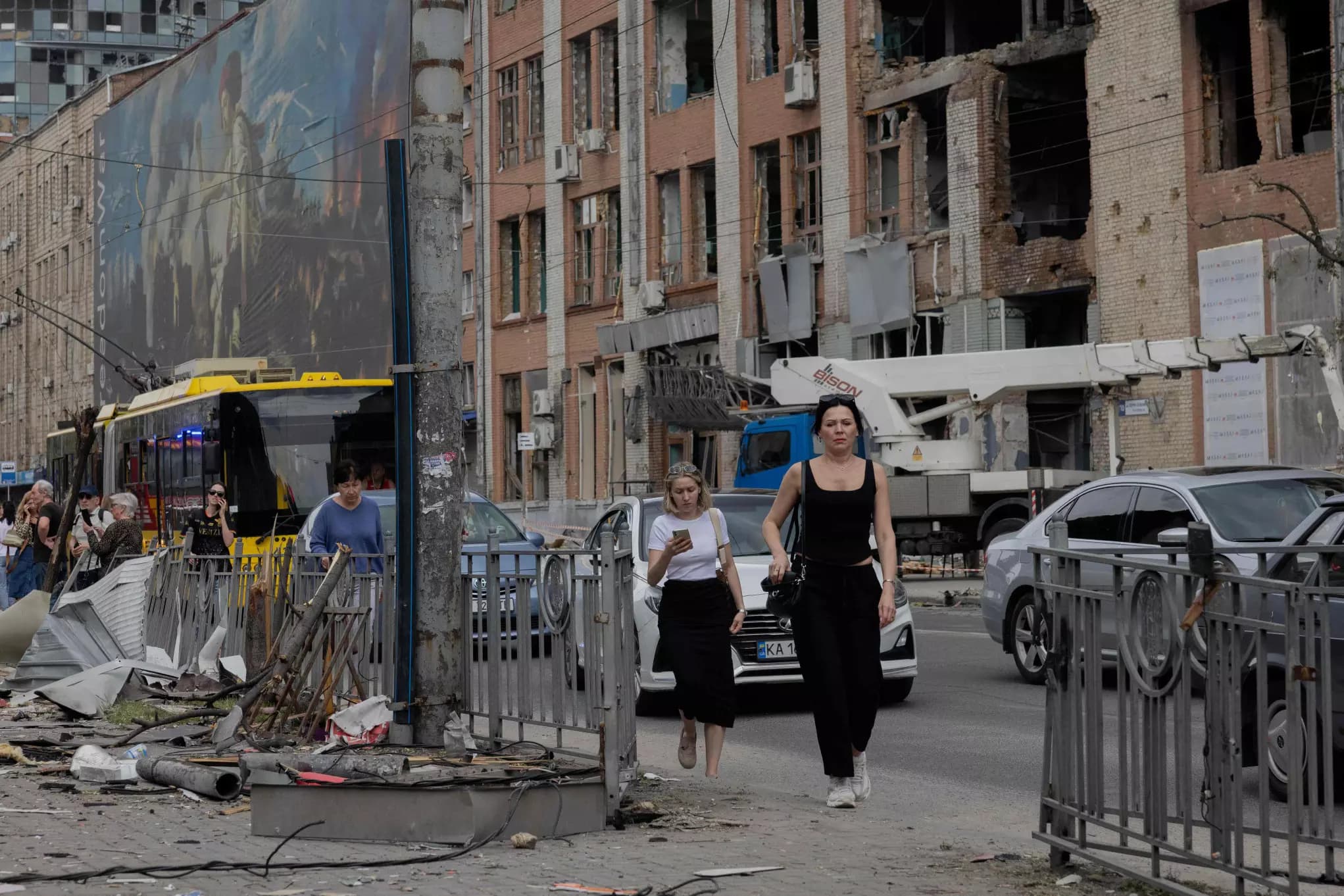
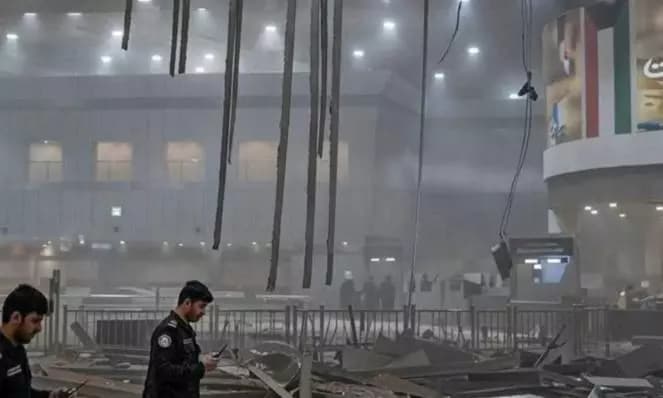
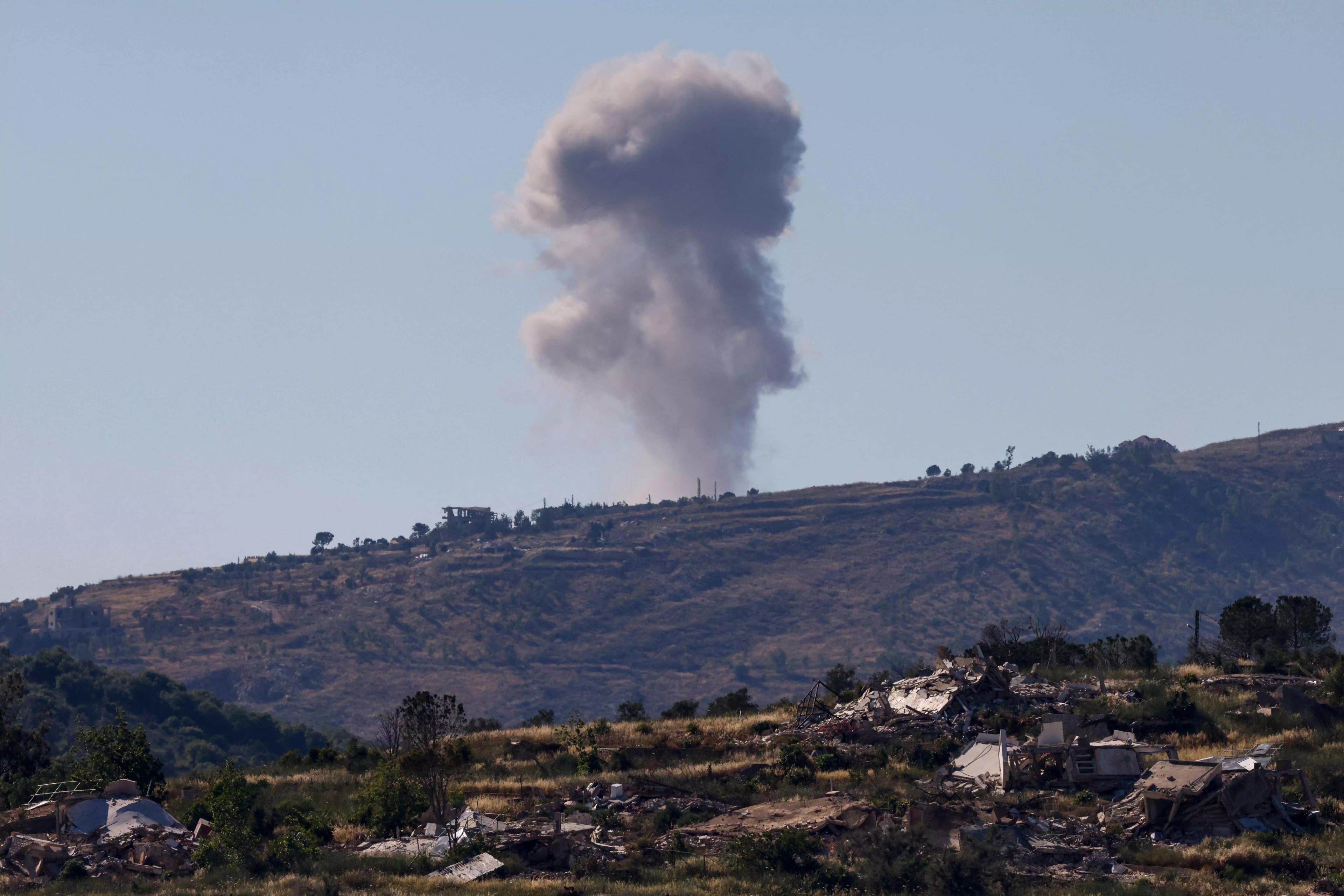
The Hezbollah rejection came after Israeli strikes killed at least four people in Lebanon, according to local authorities, while a U.N. peacekeeper was injured. An Israeli soldier also died during combat operations in southern Lebanon.
Hezbollah's Criticism
Naim Kassem, Hezbollah's leader, dismissed the negotiations as "absurd, humiliating and insulting." He said the agreement demanded Hezbollah fighters leave southern Lebanon under fire, which he called a recipe for "surrender, defeat, and achieving the enemy's goals."
Kassem emphasized that Hezbollah has not made any commitment to stop fighting. "So long as our villages are not safe and being bombed and our people are killed," he said, "northern Israel will not be safe." The ongoing war in Lebanon continues to disrupt efforts aimed at ending the broader conflict between Iran and other regional players.
Following Kassem's statement, siren alerts sounded in several northern Israeli border communities due to drone activity. While no injuries were reported, these events highlighted the persistent threat of Hezbollah fire.
Lebanese troops began moving into southern villages like Dibbine on Thursday afternoon, after Israeli forces withdrew from conflict areas where intense clashes had taken place. They joined U.N. peacekeepers in an effort to stabilize the region.
Deadly Escalation
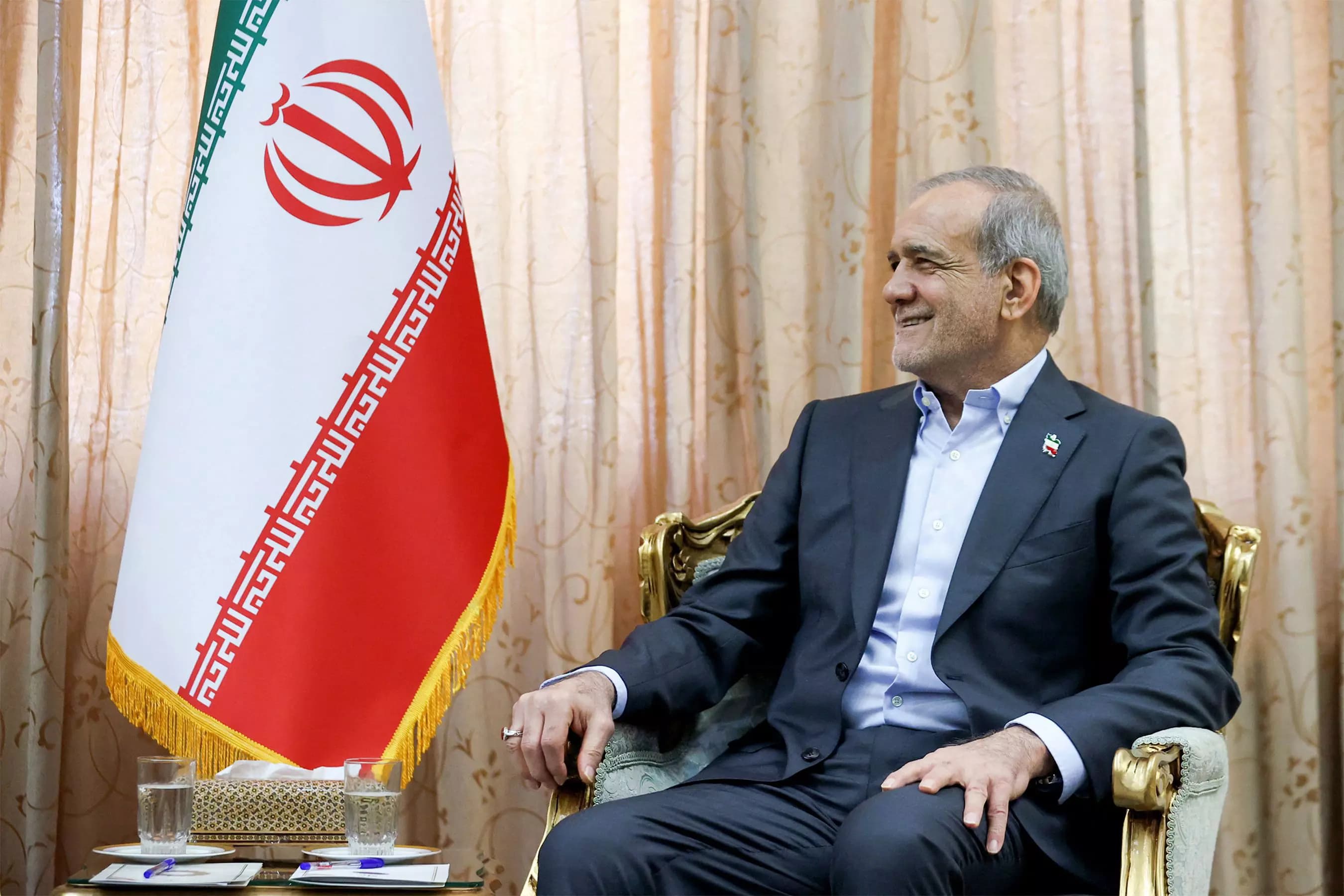
The fighting in Lebanon, with Israel seizing large swathes of southern territory, poses a significant threat to regional stability and economic activities such as oil transit through the Strait of Hormuz. Iran has also demanded that any ceasefire extend to Lebanon.
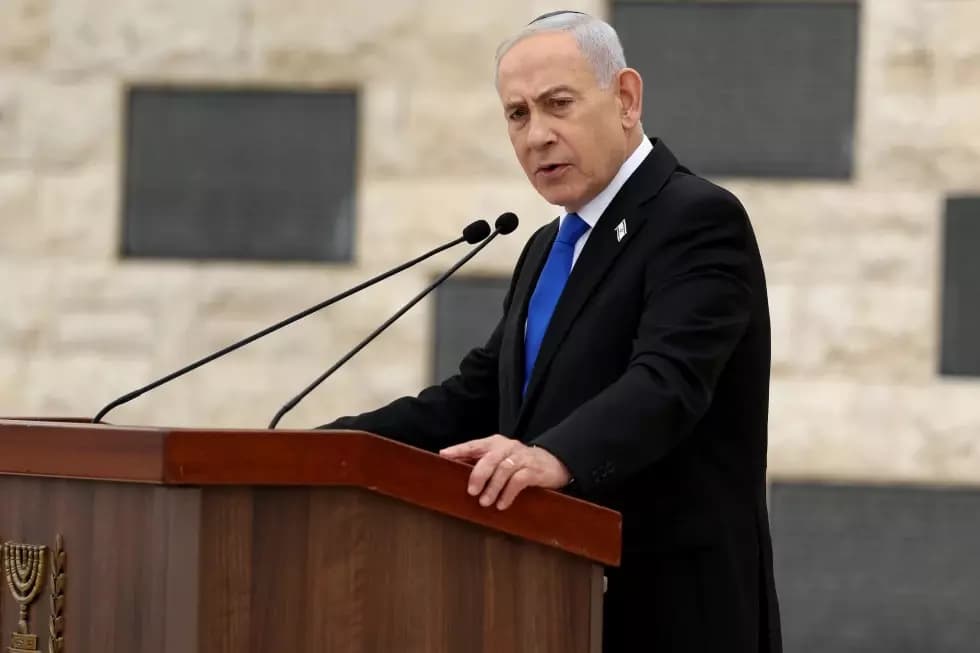
Israeli Prime Minister Benjamin Netanyahu, facing elections later this year, seeks to press ahead with his offensive against Hezbollah until it no longer poses a threat.
The Lebanese government and the U.S., through brokered talks, have agreed on a new ceasefire. However, its implementation remains contingent on responses from various Lebanese factions, including Hezbollah. The agreement labels Hezbollah as an 'enemy' of Israel and Lebanon, demanding its dismantlement.