Iran Unveils Plans for Reopening International Internet
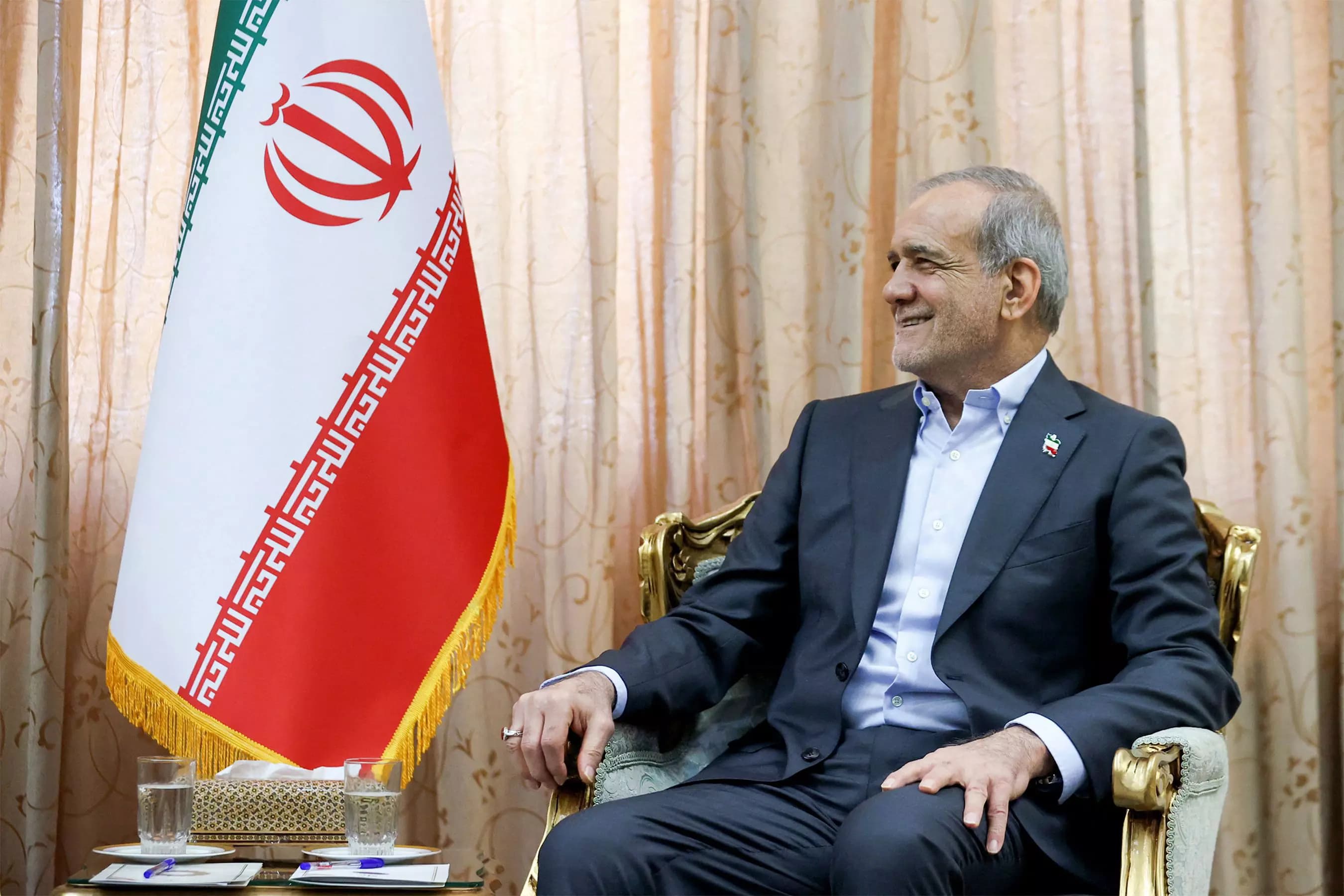
Iran's President Masoud Pezeshkian has ordered the reopening of international internet access after a near-90-day closure. The move comes amid ongoing tensions in regional geopolitics, significantly impacting daily life for many Iranians.
Highlights
- •President Masoud Pezeshkian issues order to reopen international internet
- •Internet blackout lasted nearly 90 days under anti-government protests
- •Restrictions still remain on global web access via censorship and intranet services
- •Educational system shifted to online curricula during the period of restriction
Iran's President Masoud Pezeshkian has ordered the reopening of international internet access, ending a nearly 90-day period where most Iranian citizens were unable to access global web services. Iranian state media reported this order, citing an official from the country's Communications Ministry.
In late January 2023, authorities initially imposed a nationwide internet blackout to address anti-government protests that had gripped the nation. Initial restrictions began relaxing in February as connections returned to normal, only for another round of internet curbs to come into effect on February 28 following U.S. and Israeli strikes against Iran.
Without details on exactly how or when Iran will reconnect fully, it's unclear what the specific mechanisms are for resuming global web access. Most Iranians reportedly remained without international internet service over the past 87 days, with access limited to a small number using pricey and sophisticated Virtual Private Networks (VPNs).
Impact of Internet Restrictions on the Country
The strict restrictions have significantly impacted daily life for many Iranians. Access to the global internet is still heavily restricted through censorship, with an increasing reliance on intranet services. Schools were particularly affected as they shifted to online curricula during this period.
While President Pezeshkian's order marks a significant shift toward normalcy for ordinary citizens, many questions remain about how rapidly and fully international web access will be restored. The decision reflects ongoing tensions in Iranian politics and regional geopolitics surrounding U.S. and Israeli hostilities against the country.
The government's move to allow greater internet freedom will also have broader implications for communications, commerce, and social interactions within Iran – all of which were severely limited by the prolonged internet blackout.