North Korea Conducts Missile Launch: Latest Show of Force
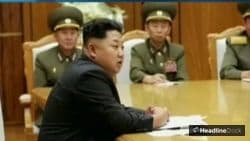
North Korea recently conducted its first missile launch event since April 2019, marking an escalation in military demonstrations aimed at showcasing strength amidst ongoing geopolitical tensions with the U.S. and South Korea.
Highlights
- •North Korean Missile Launch
- •Tensions Raising Security Concerns
- •Strengthening South Korean Defense Strategy
- •Kim Jong Un's Armament Focus
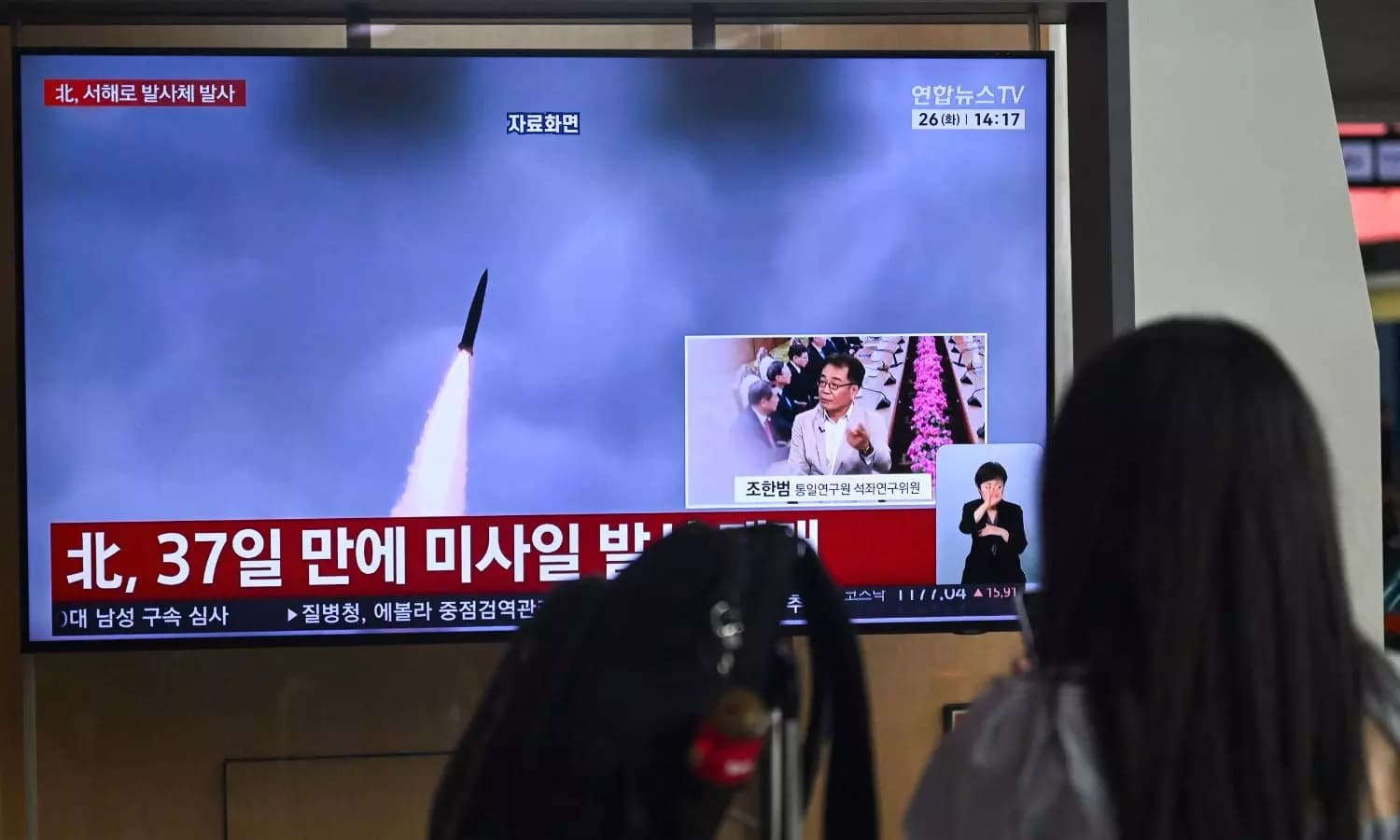
North Korea carried out multiple close-range ballistic missile launches on Tuesday, toward the sea. The Joint Chiefs of Staff confirmed that the missiles were fired from Jongju city in the North's west coast. This event marks North Korea's first weapons launch since April 19, when they launched short-range missiles to showcase cluster bomb warheads.
Following these military actions, South Korea has increased surveillance capabilities and is closely sharing information with the U.S. and Japan. The missile tests come in a context where tensions are high: North Korean leader Kim Jong Un has been focusing on expanding his nuclear and ballistic arsenals since failing negotiations with then-U.S. President Donald Trump.
Resilience of South Korea's Position
South Korean President Lee Jae Myung recently highlighted the need for stronger military efforts during a Cabinet meeting. Emphasizing artificial intelligence and drone technology, he also mentioned potential acquisitions like nuclear-powered submarines as part of the country's defense strategy.
This move underscores South Korea's commitment to self-reliance in security matters despite its preference for improved relations with North Korea. President Lee stressed that South Korea needs to showcase resolve while maintaining an alliance with the United States.
The repeated missile launches reflect North Korea's hardened stance towards South Korea, now seeing it as a permanent enemy and taking steps to sever ties. These developments highlight escalating regional tensions and increase concerns about security in Northeast Asia.