The Making of a Sporting Nation: India’s Strategy for Elite Sports Success

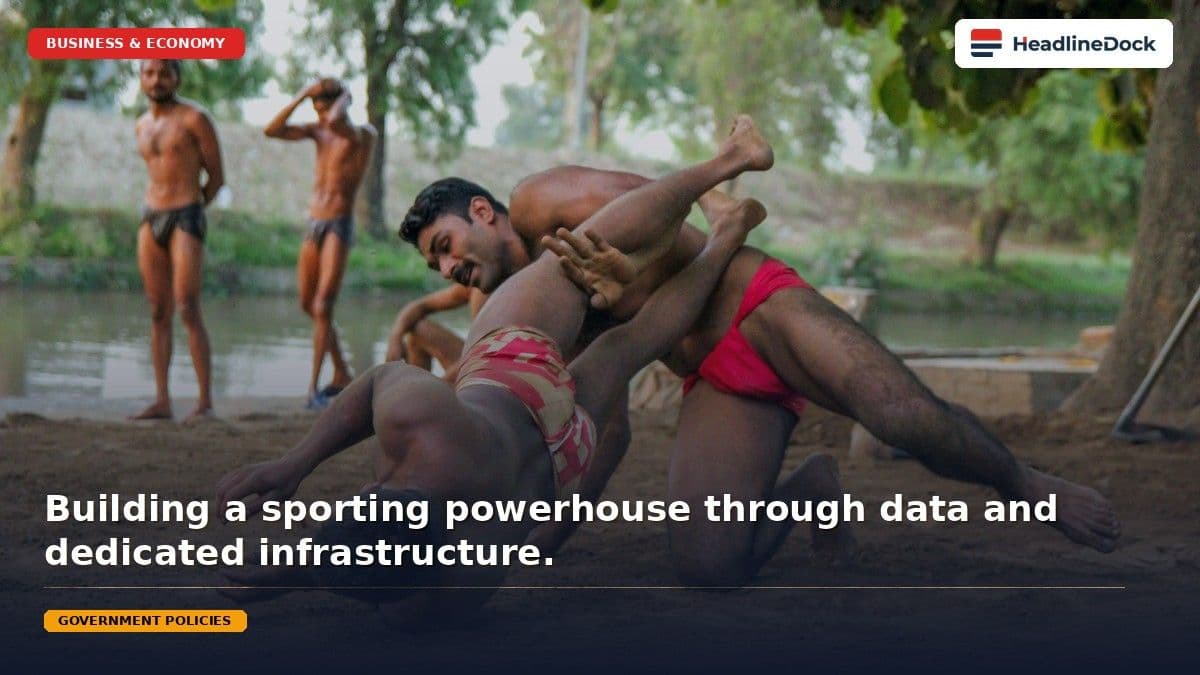
India has transformed its sporting ecosystem by institutionalizing talent identification and athlete support. Through initiatives like Khelo India, TOPS, and KIRTI, the nation has moved from ad-hoc support to a data-driven strategy, significantly increasing budget allocations and infrastructure to foster long-term global sporting success.
Read it in Short
QUICK OVERVIEW
India has increased its sports budget to a record ₹4,479.88 crore for 2026-27 to foster elite talent.
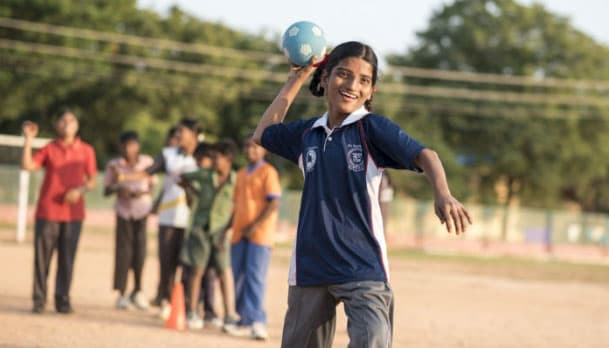
The Khelo India scheme supports 2,745 athletes across 349 infrastructure projects nationwide.
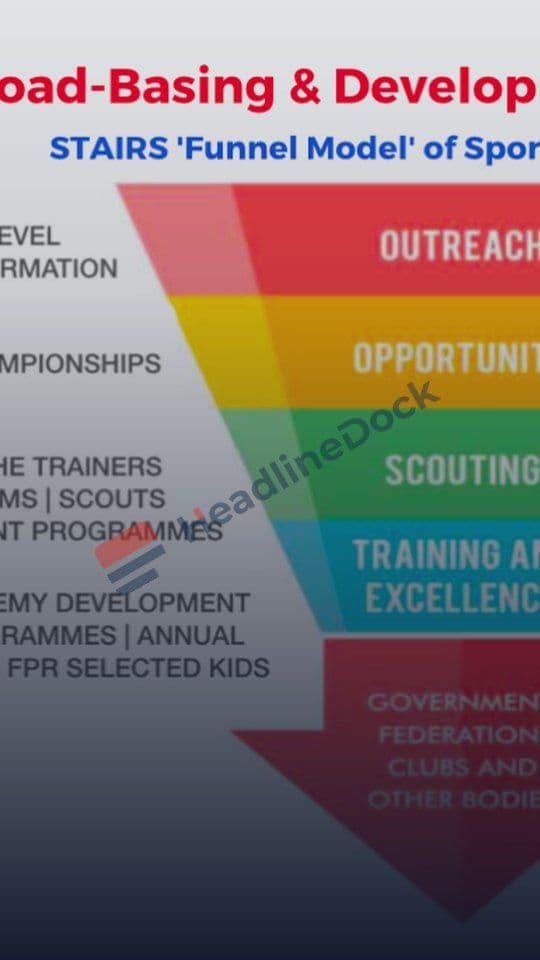
The new KIRTI initiative has conducted over 187,921 assessments to identify young talent through data.
TOPS provides monthly stipends of up to ₹50,000 to elite athletes to ensure financial stability during training.
The Making of a Sporting Nation: India’s Strategy for Elite Sports Success
For decades, India's presence on the global sporting stage was defined by individual brilliance rather than systemic design. However, as the 2026 Commonwealth Games in Glasgow begin, a profound shift is unfolding. The nation has transitioned from ad-hoc, sporadic celebrations to a highly institutionalized, data-driven sports ecosystem designed to churn out elite talent systematically.
The Financial Blueprint: Funding a National Revolution
At the heart of this transformation is a monumental financial realignment. The Ministry of Youth Affairs and Sports has witnessed its budget skyrocket from a modest ₹1,219 crore in the 2013–14 fiscal year to a record-breaking ₹4,479.88 crore for the 2026–27 cycle. This capital injection has fueled targeted infrastructure development rather than generalized administrative spending, backed by an investment of ₹3,176 crore dedicated entirely to 349 infrastructure projects.
Unlike legacy models where athletes struggled to fund training, the current Target Olympic Podium Scheme (TOPS) provides direct financial stability. Under TOPS, Core Athletes receive a fixed monthly stipend of ₹50,000, while the Development Group receives ₹25,000. This ensures that financial anxiety does not derail promising careers before they reach the international arena.
From Scouting to Science: The Core Sporting Pillars
India’s modern strategy relies on three main pillars: grassroots infrastructure, elite tracking, and scientific talent identification. The newly launched KIRTI (Khelo India Rising Talent Identification) initiative represents a significant technological pivot. By leveraging IT tools and standardized assessment protocols across 174 centers, KIRTI removes subjective bias from scouting, analyzing children aged 9 to 18 to identify early physiological advantages.
This state-led, high-investment approach stands in contrast to the hosting trends of Western nations. For instance, the Glasgow 2026 Commonwealth Games are operating on a "bare-bones" budget of approximately £150 million, prioritizing localized sustainability. Meanwhile, India is betting heavily on centralized growth, recently allocating ₹500 crore to establish a domestic sports goods manufacturing hub to foster material science and reduce reliance on foreign equipment imports.
To understand how these programs interact, we can analyze their core metrics and demographics:
| Initiative | Primary Focus | Target Demographic | Key Metric (As of July 2026) |
|---|---|---|---|
| Khelo India Scheme | Grassroots development and infrastructure | School & University students | 349 projects; 1,067 Centres; 2,745 Athletes supported |
| TOPS | Elite podium finish optimization | Olympic & Paralympic prospects | 51 Core, 52 Para Core, 130 Dev. athletes supported |
| KIRTI | Data-driven early talent scouting | Children aged 9 to 18 years | 174 Assessment Centres; 187,921 assessments completed |
| Sports Mfg. Hub | Domestic R&D and equipment self-reliance | Indian sports supply chain | ₹500 crore budget allocation |
Chronology of the Sporting Shift (2014–2026)
The evolution from a singular focus on cricket to a multi-sport powerhouse has been a structured 12-year journey:
- 2014: The Target Olympic Podium Scheme (TOPS) is launched to provide elite-level interventions.
- 2017: The consolidated Khelo India Scheme is introduced to rebuild grassroots infrastructure.
- 2018: The Khelo India School Games (now Youth Games) debut to identify teenage prospects.
- 2020: Sports diversification begins with the introduction of University, Winter, and Para Games.
- 2023: A landmark campaign at the Hangzhou Asian Games yields an unprecedented 107 medals.
- 2025: The talent pipeline expands further with the introduction of Beach Games and Water Sports Festivals.
- 2026: The launch of the Tribal Games (KITG) and the rollout of the ₹500 crore domestic sports goods manufacturing scheme.
Troubleshooting the Pipeline: Overcoming Systemic Bottlenecks
Despite notable progress, executing a nationwide talent pipeline across a massive population presents logistical challenges. Understanding these bottlenecks is critical to maintaining momentum:
- The Infrastructure Gap: The Ministry's mandate is to establish at least one Khelo India Centre (KIC) in every district. However, local state execution varies. Resolution: Expanding KIRTI's mobile assessment protocols acts as a virtual scouting bridge, registering talent in remote areas even before physical KIC centers are constructed.
- Pipeline Scaling Pressures: Managing over 2,745 elite athletes strains administrative resources. Resolution: Regional sports authorities are migrating to unified IT dashboards to track athlete metrics dynamically, preventing administrative oversights and stipend delays.
- Regional Imbalance: Elite training facilities have historically remained concentrated in specific sports-heavy regions. Resolution: The 2025 diversification into regional water sports and beach games decentralizes training focus, shifting funding to coastal and riverine states.
Frequently Asked Questions
What is the goal of the Khelo India scheme?
Khelo India provides a unified framework for identifying, training, and nurturing sports talent at the grassroots level through infrastructure development and direct financial aid.
What is KIRTI and how does it select athletes?
KIRTI (Khelo India Rising Talent Identification) uses IT tools, AI, and standardized protocols at regional assessment centres to transparently identify and evaluate children aged 9 to 18 years.
How much does TOPS support elite athletes?
Core athletes receive a monthly stipend of ₹50,000, while those in the Development Group receive ₹25,000, along with essential equipment and training support.
What is the focus of the new Sports Goods Manufacturing initiative?
The initiative aims to make India a global hub for sports equipment, fostering R&D, material science innovation, and boosting domestic employment in the sector.