Can Urban India Beat the Heat? The Future of Climate-Responsive Planning
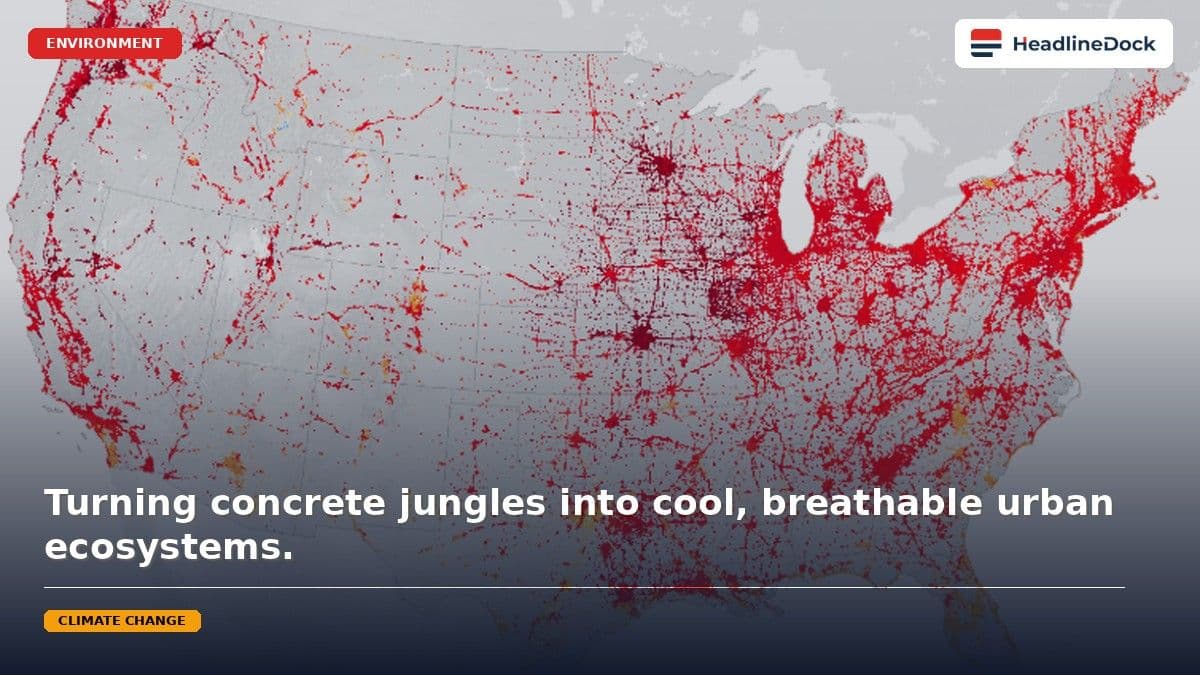
As Indian cities warm 45% faster than rural regions, the government is executing a multi-pronged urban heat mitigation strategy. Utilizing Heat Action Plans, sponge city infrastructure, and cool-roof technology, officials aim to enhance thermal resilience and protect public health in major urban centers through 2038.
Read it in Short
QUICK OVERVIEW
Indian cities are warming up to 45% faster than rural areas, necessitating urgent climate-resilient urban planning.
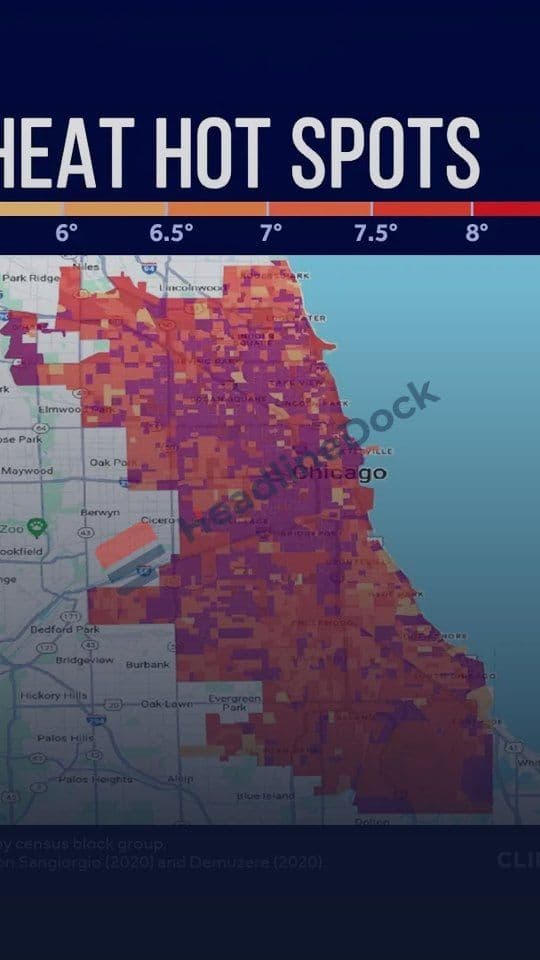
The government is implementing multi-faceted strategies, including cool roofs, sponge cities, and large-scale urban greening projects.
Over 3,458 parks and 99 lakh energy-efficient LED streetlights have been deployed to mitigate urban heat and reduce carbon footprints.
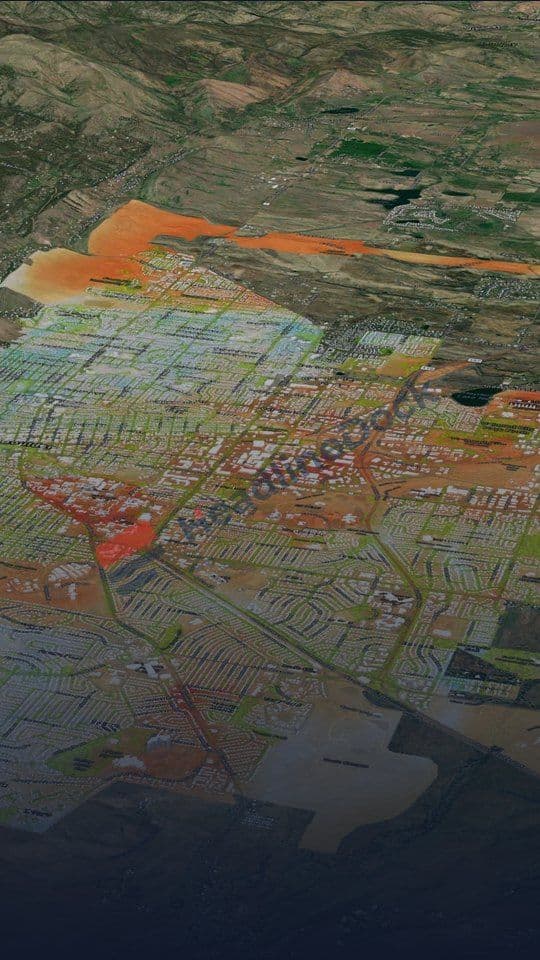
"Building Heat Resilient Cities" pilot programs are currently active in 12 major Indian cities to develop replicable cooling models.
Can Urban India Beat the Heat? The Future of Cooling and Climate-Responsive Planning
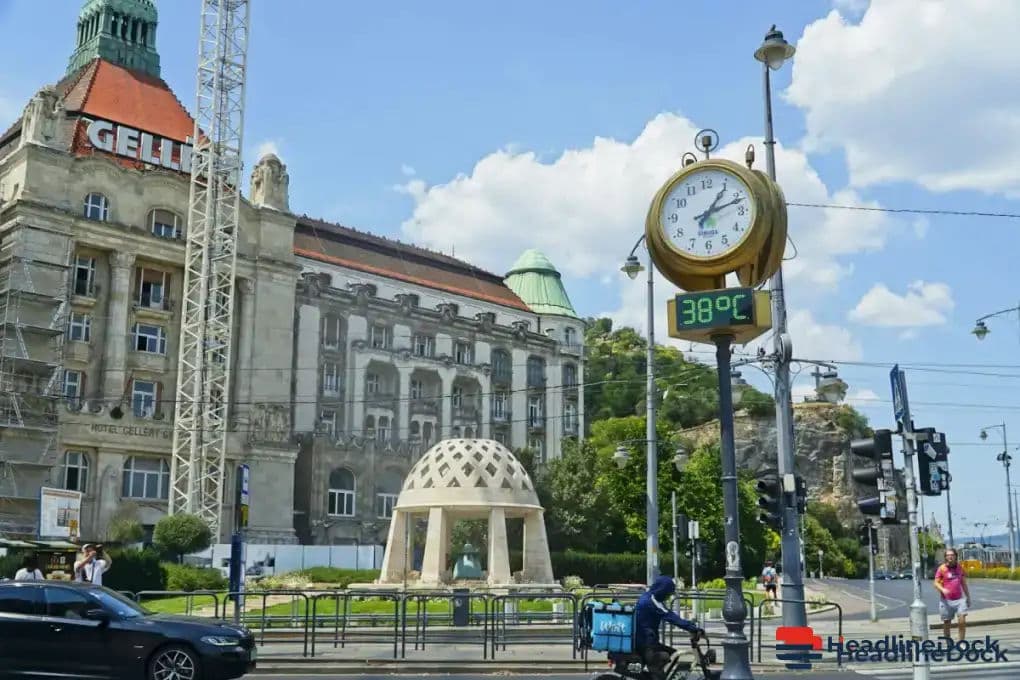
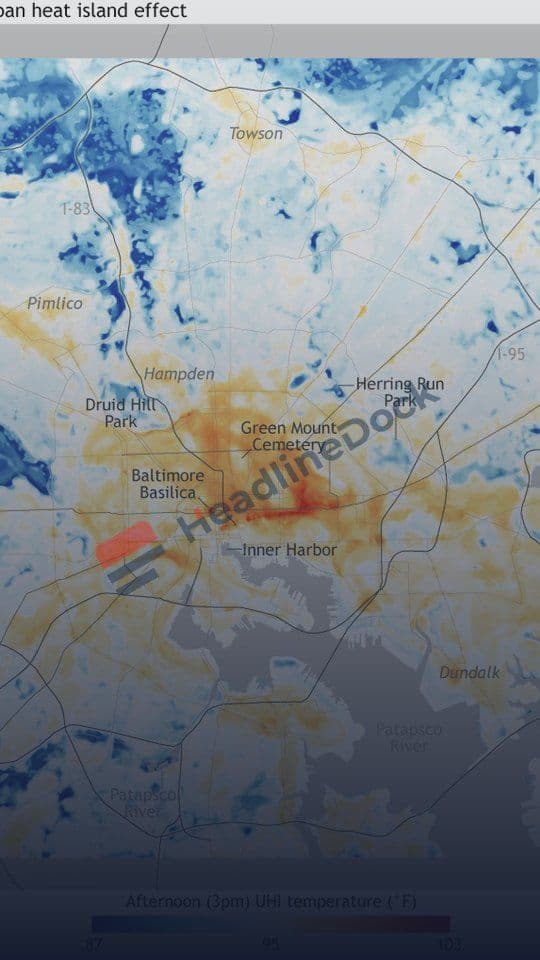
Recent data indicates that Indian cities are warming up to 45% faster than their surrounding rural environments. This phenomenon, known as the Urban Heat Island (UHI) effect, has shifted from a seasonal discomfort to a critical structural vulnerability. With global projections suggesting that a 2°C rise in atmospheric temperature could translate to a 4°C spike in densified urban centers, the Ministry of Housing and Urban Affairs (MoHUA), alongside the National Disaster Management Authority (NDMA), has transitioned from reactive disaster response to proactive, systemic mitigation.
As of the most recent ministry update provided to the Rajya Sabha on July 20, 2026, the focus has pivoted toward deep-rooted infrastructure reform. The goal is clear: decoupling urban growth from thermal volatility through a combination of "green," "blue," and "cool" infrastructure.
The Evolution of Climate-Resilient Urbanism
Historically, Indian urban development prioritized rapid construction, often relying on high-absorption materials like concrete and asphalt, which trap solar radiation. The modern shift involves replacing these heat-trapping surfaces with intelligent design and natural restoration.
Key initiatives currently being deployed include:
- Heat Action Plans (HAPs): Moving beyond generic directives, cities are now deploying localized vulnerability assessments. These frameworks map specific neighborhood heat-risk levels, allowing for targeted resource allocation.
- Cool Roofs: This passive cooling technique involves applying high-albedo (reflective) coatings to rooftops. It is one of the most cost-effective methods to lower indoor ambient temperatures without increasing energy demand.
- Sponge City Planning: Urban centers are reclaiming waterbodies to restore natural hydrological cycles. By increasing pervious surfaces, cities can manage storm-water drainage while leveraging the evaporative cooling effects of water to lower local microclimates.
- Green Infrastructure: Under the AMRUT program, over 3,458 parks have been developed. Recent initiatives like AMRUT MITRA “Women for Trees” demonstrate an emphasis on functional, community-tended greenery, with over 7.65 lakh saplings planted to provide natural shading.
Comparison: Traditional vs. Climate-Resilient Urbanism
| Feature | Traditional Urban Approach | Climate-Resilient Approach |
|---|---|---|
| Surface Materials | Asphalt and dark concrete (High absorption) | High-albedo surfaces and permeable paving |
| Drainage | Closed, centralized concrete pipes | Sponge/Permeable infrastructure & waterbody restoration |
| Green Cover | Decorative, minimal landscaping | Functional urban forests and microclimate shading |
| Cooling Strategy | Active/AC-heavy, energy-intensive | Passive/Design-heavy, thermal efficiency |
Bridging the Equity and Data Gap
While large-scale infrastructure projects like the installation of 99 lakh LED streetlights—which save 665 crore kWh annually—are essential, experts emphasize that technical solutions must be equitable. A primary challenge identified in current research is the "cooling disparity"; higher-income, lower-density areas often enjoy more tree cover than dense, informal settlements.
Troubleshooting the "Lost Space" Problem
In highly congested urban cores, finding space for new parks is often physically impossible. To address this, urban planners are pivoting to:
- Vertical Greening: Utilizing facade surfaces for plant growth to lower building temperatures.
- Cooling Zones: Developing decentralized, shade-heavy public hubs for informal workers and outdoor laborers, as per NDMA advisories.
- Data Granularity: The critical bottleneck remains a lack of micro-climate data. Cities are being encouraged to install localized temperature sensors to refine their HAPs, ensuring that the "right" neighborhoods receive intervention during peak heatwaves.
The financial backbone for these efforts is provided by the Scheme for Special Assistance to States for Capital Investment (SSASCI) (2022–2025). By incentivizing states to prioritize natural ecosystem restoration, the government is creating a multiplier effect where urban cooling acts as an economic driver for public health, energy efficiency, and worker productivity.
As the "Building Heat Resilient Cities" pilot program progresses in cities like Bengaluru, Bhopal, and Gurugram, the data gathered will form the blueprint for a national standard in climate-responsive, sustainable urban living through 2038.
Frequently Asked Questions
What is the Urban Heat Island (UHI) effect?
It is a phenomenon where urban areas experience higher temperatures than rural surroundings due to human activity, dense infrastructure, and reduced green cover.
What are the key components of a city's Heat Action Plan?
HAPs involve vulnerability mapping, public awareness, early warning systems, health surveillance, and the integration of cool roofs and expanded green spaces.
How does the India Cooling Action Plan work?
The ICAP is a 20-year roadmap (2017–2038) designed to provide sustainable cooling by reducing demand and improving energy-efficient technology across sectors.
Who is responsible for implementing these heat mitigation measures?
State Governments and Urban Local Bodies (ULBs) lead implementation, supported by technical and financial assistance from the Central Government of India.
Related Articles
 Environmental Activist Alex Serna Found Deceased After Disappearance in Zihuatanejo
 Dragonflies: Prehistoric Aerial Masters Facing Modern Environmental Threats
 The Hidden Environmental Costs of Industrial Forest Plantations in Iberia
 Canada’s AI Strategy Must Reckon With Environmental Impact of Data Centres