Rising Temperatures Fuel Europe’s Contentious Debate Over Air Conditioning Adoption

Record-breaking heatwaves in Europe have triggered an intense debate over air conditioning. Experts highlight the urgent need for cooling in public infrastructure to prevent heat-related deaths while navigating the political and environmental challenges of widespread adoption in a rapidly warming climate.
KEY TAKEAWAYS
1 MIN READ- Extreme heatwaves across Europe have led to over 200,000 heat-related deaths in the last four years.
- There is a growing political divide regarding the balance between environmental regulations and the need for residential cooling.
- Adoption rates for air conditioning vary significantly across the continent, with southern European nations showing the highest uptake.
- Experts advocate for a dual approach involving immediate cooling for vulnerable groups and long-term urban heat mitigation strategies.
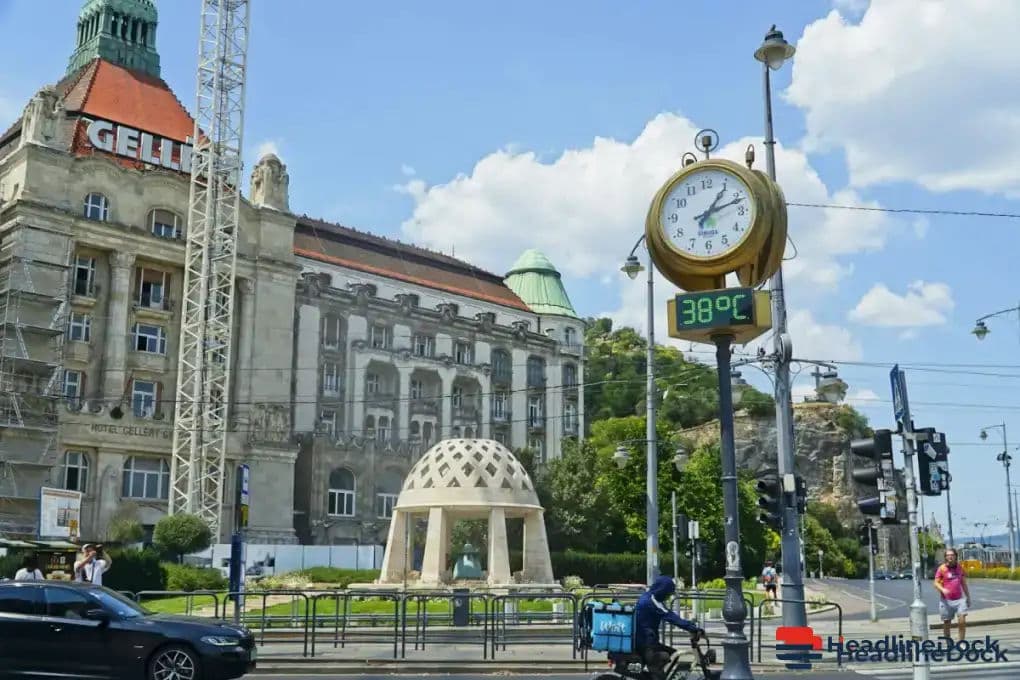
As record-breaking temperatures sweep across Europe, a fierce debate over air conditioning has ignited, pitting public health needs against environmental concerns. While the continent experiences its most intense heatwaves on record, the low adoption rate of cooling systems in private households has become a flashpoint for political and social arguments.
The Rising Need for Air Conditioning
Experts are increasingly calling for more widespread access to air conditioning in critical infrastructure. With the World Health Organization reporting over 200,000 heat-related deaths in Europe over the past four years, the necessity for mechanical cooling in hospitals, care homes, and schools is widely accepted. However, as climate change pushes summer temperatures to historic highs—regularly exceeding 40C—many citizens are finding it increasingly difficult to cope without residential cooling.
The cultural resistance to air conditioning in parts of Europe stems from both environmental regulations and ingrained habits. Despite this, shifting weather patterns are forcing a change in perspective. In countries like France, Spain, and Italy, adoption rates have climbed significantly, reaching over half of all households in the latter two nations. Conversely, regions like Germany remain slower to adapt, partly due to the high proportion of renters and a historically cooler climate that is now rapidly changing.
Political and Social Tensions
The discussion has taken a political turn, with various factions clashing over how to balance energy efficiency with human safety. Some political groups have criticized mainstream climate policies for prioritizing energy ratings over the immediate health of citizens during dangerous heatwaves. This air conditioning debate has drawn international attention, with commentators comparing Europe to countries like the United States and Japan, where residential cooling is largely considered a standard necessity rather than a luxury.
Beyond the politics, scientists warn that relying solely on mechanical cooling carries risks, such as increased energy demand and the urban heat island effect, where expelled hot air warms surrounding streets. Climate scientists emphasize that while air conditioning is essential for protecting the vulnerable, it must be paired with broader urban planning solutions. These include planting trees, developing green roofs, and improving home insulation to create a more resilient environment. As temperatures continue to rise, the challenge for European policymakers will be to provide life-saving cooling while maintaining long-term sustainability goals.