Francina Armengol Hosts Sahrawi Children Amid Tense Parliamentary Sessions in Spain
Congress President Francina Armengol is set to host Sahrawi children as part of the 'Vacations in Peace' program, marking a historical first. Concurrently, she faces mounting criticism from opposition members regarding the decorum and rising verbal hostility within the Spanish parliamentary chamber.
KEY TAKEAWAYS
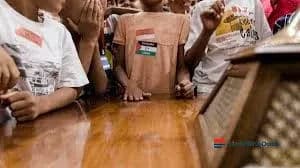
1 MIN READ- Francina Armengol will become the first Congress President to personally receive Sahrawi children.
- The 'Vacations in Peace' program will host 2,800 Sahrawi children in Spain this summer.
- Opposition leaders criticize Armengol for failing to address rising verbal abuse in Congress.
- The humanitarian program for Sahrawi children has operated since 1979, barring pandemic interruptions.
Francina Armengol, the President of the Spanish Congress, is set to mark a significant milestone in parliamentary history. On July 15, 2026, she will officially receive a group of Sahrawi children participating in the long-standing "Vacations in Peace" program. This event highlights Armengol’s active engagement with humanitarian causes and her role as the third-highest state authority.
The "Vacations in Peace" initiative, which dates back to 1979, facilitates summer stays for children from refugee camps in Tinduf, Algeria. This year, approximately 2,800 minors will be hosted by families across Spain, continuing a tradition that has seen over 37,500 children participate since 2014. While the project has seen historical support from various political sectors, this will be the first time the President of the Congress hosts the group personally.
Political Tensions and Parliamentary Debate
Beyond her humanitarian duties, Francina Armengol currently faces scrutiny regarding the decorum within the legislative chamber. Opposition leaders, including Ester Muñoz of the Partido Popular, have expressed deep concern over the escalating climate of hostility and verbal insults during plenary sessions. Muñoz has publicly criticized the presidency for failing to identify deputies who use derogatory language, such as recent instances involving cabinet members during debates with opposition leaders.
The atmosphere in the Congress remains polarized, with various political factions accusing each other of fostering a disrespectful environment. While the opposition demands stricter enforcement of parliamentary rules, the governing coalition and other parties often point to previous incidents involving all benches as evidence of a broader decline in political civility. The Congress’s governing body has maintained that internal disciplinary matters must be addressed during the active proceedings of a session, often dismissing post-debate complaints.
Despite these internal political frictions, Armengol continues to balance her administrative responsibilities with personal advocacy. Her team noted that the upcoming reception of the Sahrawi children is a long-awaited opportunity, as previous attempts were hampered by scheduling conflicts. This commitment aligns with her longstanding history of supporting the Sahrawi cause, including recent legislative efforts regarding nationality rights for descendants of those born under former Spanish colonial administration.
As the July 15 event approaches, the focus shifts toward the intersection of high-level state representation and the ongoing humanitarian commitment to the Sahrawi people. The visit is expected to bring attention to the continuity of the program, which has successfully persisted through decades of shifting government policies and international complexities regarding the region.