BSE Sensex Today: 5 Reasons Why Market Fell and Recovered


On July 13, 2026, the BSE Sensex faced sharp intraday volatility, dropping initially before staging a strong V-shaped recovery. Analysts credit the resilience of the Indian economy and strategic buying by Domestic Institutional Investors for stabilizing the index following concerns over crude oil prices and quarterly earnings reports.
Read it in Short
QUICK OVERVIEW
BSE Sensex witnessed a sharp intraday V-shaped recovery on July 13, 2026.
Rising crude oil prices and Q1 FY27 earnings sensitivity drove the morning sell-off.
Domestic Institutional Investors (DIIs) acted as a major stabilizer by purchasing during the dip.
Analysts attributed the initial volatility to the market's overbought status in early July.
A Rollercoaster July: Why the Sensex Plunged and Bounced Back
For investors watching the terminal on July 13, 2026, the trading session was a masterclass in market psychology. The BSE Sensex opened with a sharp, unnerving decline, triggering alarms for those sensitive to short-term fluctuations. Yet, by the closing bell, the index had staged a textbook V-shaped recovery. This intraday movement was not a random walk; it was a high-stakes tug-of-war between global macroeconomic anxieties and the structural resilience of the Indian domestic economy.
Understanding this volatility requires looking past the ticker tape. The market responded to a specific set of pressures that define the current Q1 FY27 earnings season landscape.
The Anatomy of a V-Shaped Recovery
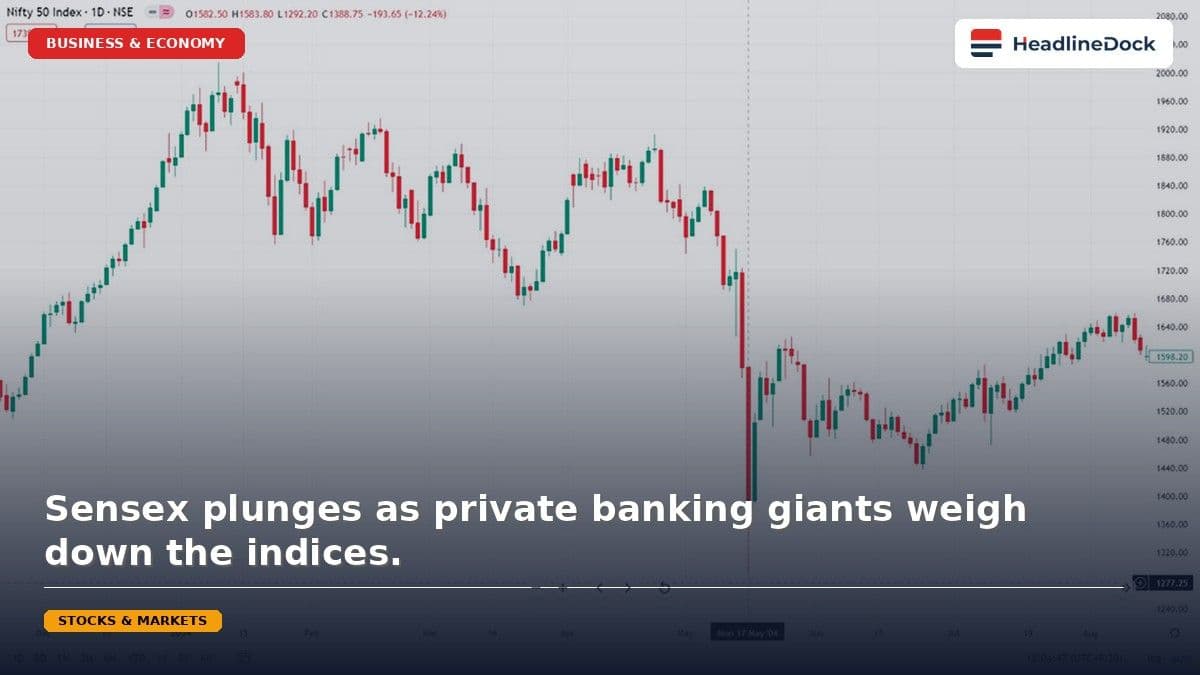
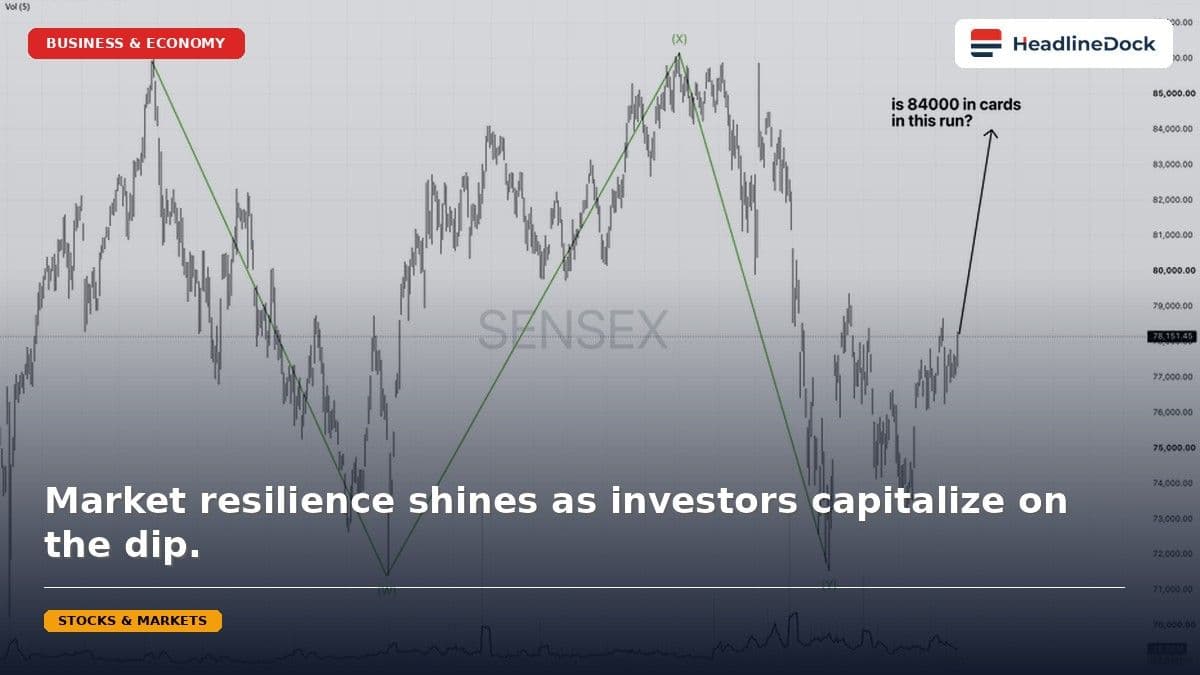
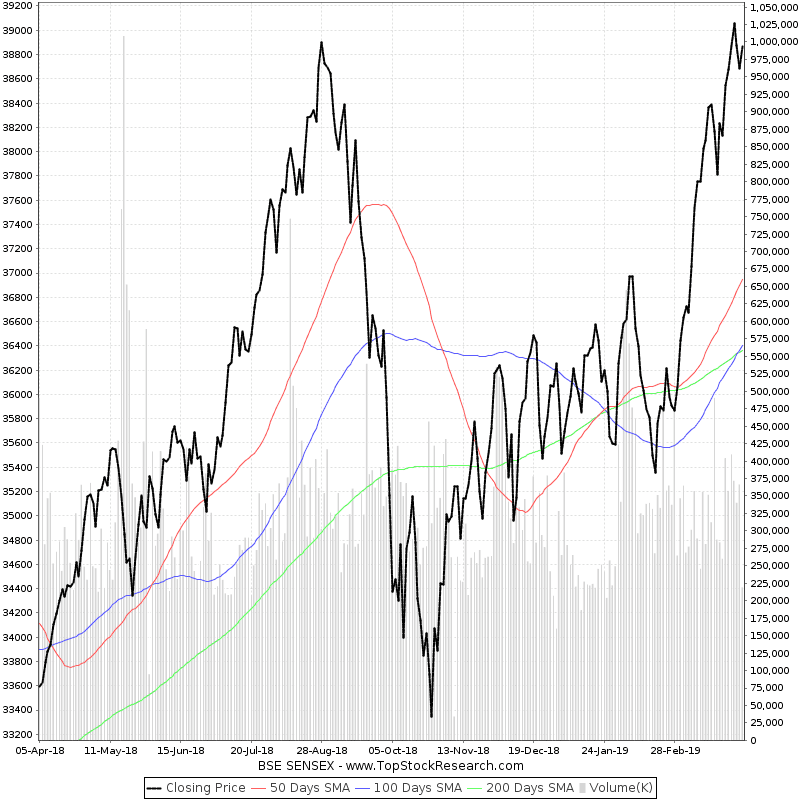
The July 13 session followed a clear, dramatic trajectory. In the morning, global commodity price jitters sent the BSE Sensex into a downward spiral, fueled by retail investor panic. By midday, the index hit its intraday floor. However, the afternoon told a different story: strategic intervention by domestic institutional investors (DIIs) transformed the sentiment, pulling the index back from the brink to close significantly higher than its low. This phenomenon is a hallmark of "buy-on-dip" market maturity, where institutional capital acts as a shock absorber against retail-driven momentum.
5 Factors Driving the July 13 Market Volatility
- Crude Oil Jitters: As a major oil importer, India’s fiscal health is linked to global energy markets. A spike in crude oil prices pressures the country’s current account deficit, triggering immediate negative sentiment for oil-dependent sectors.
- Q1 FY27 Earnings Sensitivity: We are currently in the thick of the earnings season. Market participants are hyper-sensitive to any variance in corporate performance. Any sign of margin contraction leads to immediate sector-specific sell-offs.
- Domestic Institutional Buying Power: The afternoon rebound was no accident. DIIs leveraged the morning’s lower valuations, viewing the dip as a tactical entry opportunity into high-quality value stocks, providing the essential "floor" for the recovery.
- Overbought Market Context: Heading into mid-July, the index had been operating under high valuation pressure. Analysts noted that the market was technically "overbought," making it ripe for a correction to shake out weak hands.
- Global Macro Sentiment: International commodity fluctuations continue to dictate the opening tone of the Indian markets. The morning decline was a ripple effect from broader emerging market trends reacting to global economic uncertainty.
Market Impact Overview
| Factor | Morning Impact (The Dip) | Afternoon Impact (The Recovery) |
|---|---|---|
| Crude Oil Prices | Heightened sell-off | Stabilization |
| Retail Sentiment | Panic and liquidation | Cautious observation |
| Institutional Action | Low participation | Aggressive buying (DIIs) |
| Sector Stability | Broad-based decline | Recovery in value stocks |
Managing Portfolio Volatility
Volatility is often mistaken for a permanent loss of value, but for the informed investor, it is a feature of the market. If you felt the urge to panic-sell during the midday dip, consider these steps to insulate your portfolio:
- Avoid Impulse Liquidations: Panic selling during an intraday dip is a common error. History shows that high-quality stocks often recover from commodity-led shocks once market sentiment stabilizes.
- Diversify Against Crude: If your portfolio is concentrated in oil-dependent sectors, consider balancing your holdings with defensive sectors that show lower sensitivity to global commodity price swings.
- Adopt a Value-First Mindset: Use intraday volatility as a gauge for valuation. When the market is "overbought," maintain liquidity to capitalize on "buy-on-dip" opportunities that institutional investors utilize.
- Monitor Core Indicators: Keep a regular eye on official BSE India updates and consistent financial analysis. Knowing the "why" behind the move prevents the "fear" of the move.
Financial experts agree: the July 13 volatility was a correction in an overheated market. As long as India’s domestic resilience outweighs temporary global commodity shocks, these V-shaped recoveries serve as a reminder that the market possesses an inherent ability to self-correct. For the long-term investor, the lesson is to focus on fundamentals, ignore the midday noise, and respect the institutional floor.
📖 BSE Coverage Timeline (Story Graph)
Follow the chronological evolution of BSE updates and related announcements on HeadlineDock:
- Jun 29, 2026 — CBSE Processes 99.7% of Class 12 Re-evaluation Results, Rejects Irregularity Claims
- Jun 29, 2026 — BSE Sensex Declines As Geopolitical Tensions Unnerve Investors Across Indian Markets
- Jul 06, 2026 — Indie Horror Hit Obsession Shatters Box Office Records with $400 Million Gross
- Jul 20, 2026 — BSE Sensex Crashes 900 Points: Key Reasons Behind the Market Sell-off
- Jul 21, 2026 — BSE Sensex Today: 5 Reasons Why the Market Fell and Recovered
- Today — Active Coverage: (You are reading this article)
Frequently Asked Questions
Why did the Sensex fall sharply in the morning?
The fall was primarily triggered by a spike in global crude oil prices and cautious investor sentiment ahead of key corporate quarterly results.
What caused the market to recover?
The recovery was driven by strong buying interest from Domestic Institutional Investors (DIIs), who viewed the lower prices as an entry opportunity for value stocks.
Is this volatility expected to continue?
Market analysts suggest that as long as crude oil prices remain unstable and earnings reports are mixed, some degree of volatility is likely in the short term.
How do crude oil prices affect the Sensex?
India is a major oil importer; higher prices increase the country's fiscal deficit, which negatively affects the valuation of oil-dependent companies and the currency.