BSE Sensex Today: 5 Reasons Why the Market Fell and Recovered
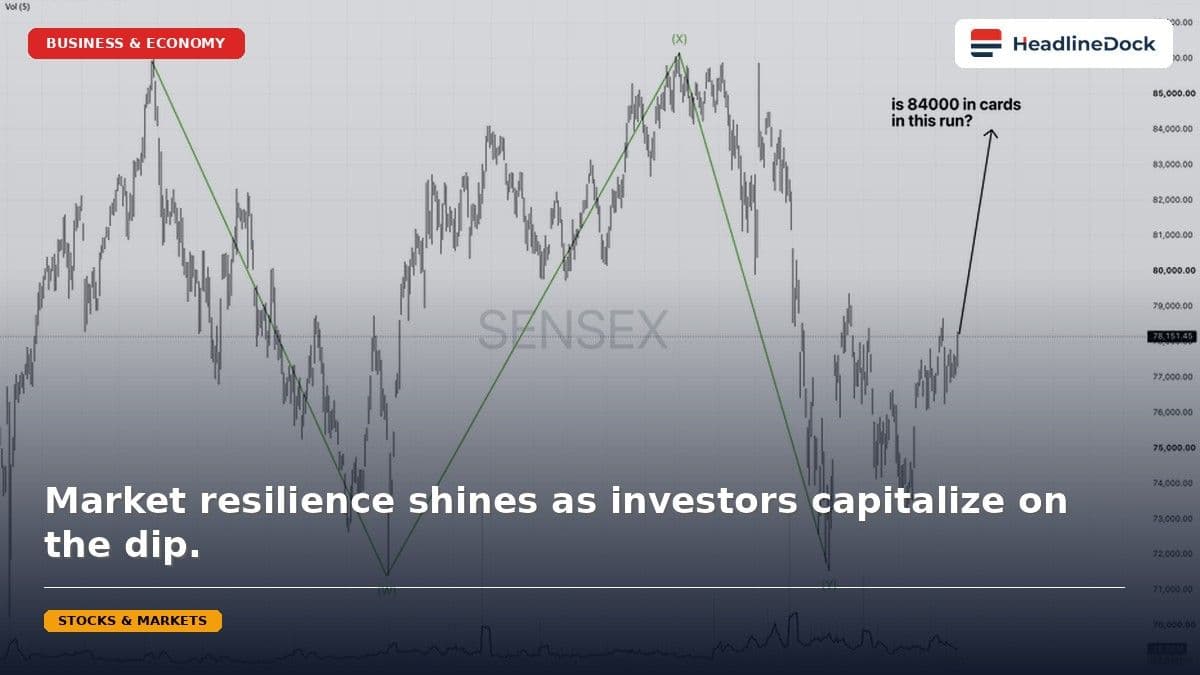
On July 21, 2026, the BSE Sensex experienced significant intra-day volatility. After a sharp morning decline caused by geopolitical tensions and crude oil price hikes, the index staged a V-shaped recovery driven by bargain hunting, domestic institutional buying, and resilient corporate earnings sentiment among investors.
Read it in Short
QUICK OVERVIEW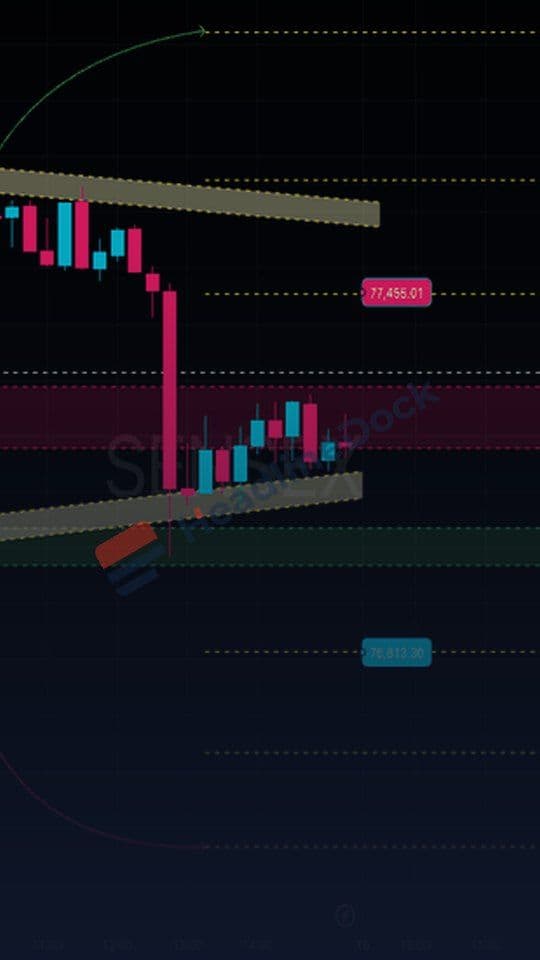
The BSE Sensex saw significant intra-day volatility on July 21, 2026, dropping sharply before recovering.
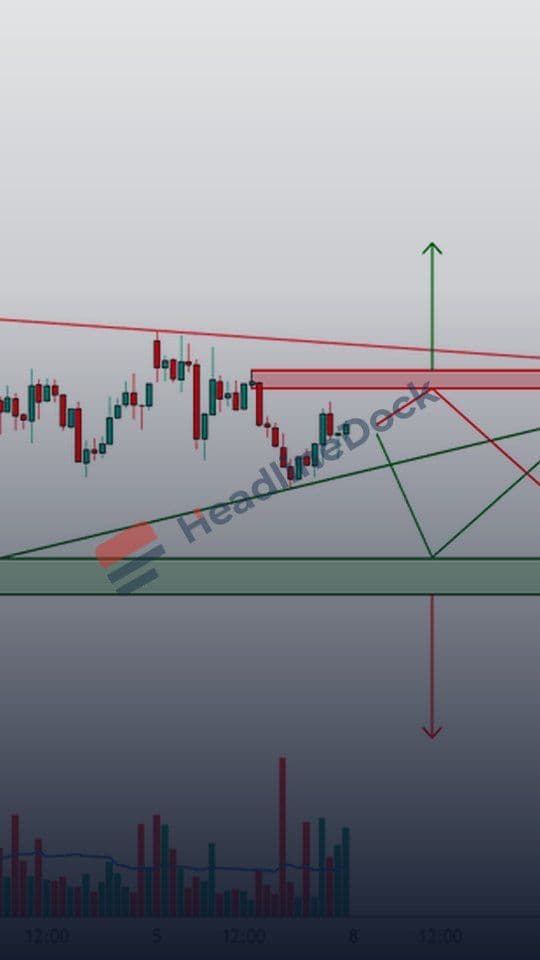
Initial selling was driven by geopolitical tensions in oil-producing regions and rising crude oil prices.
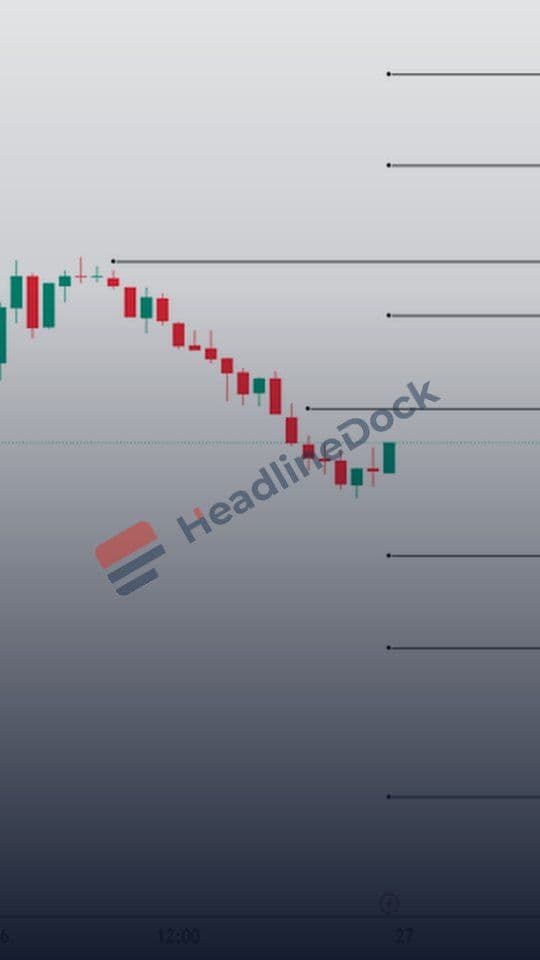
The market recovery was supported by aggressive bargain hunting and stable buying from Domestic Institutional Investors.
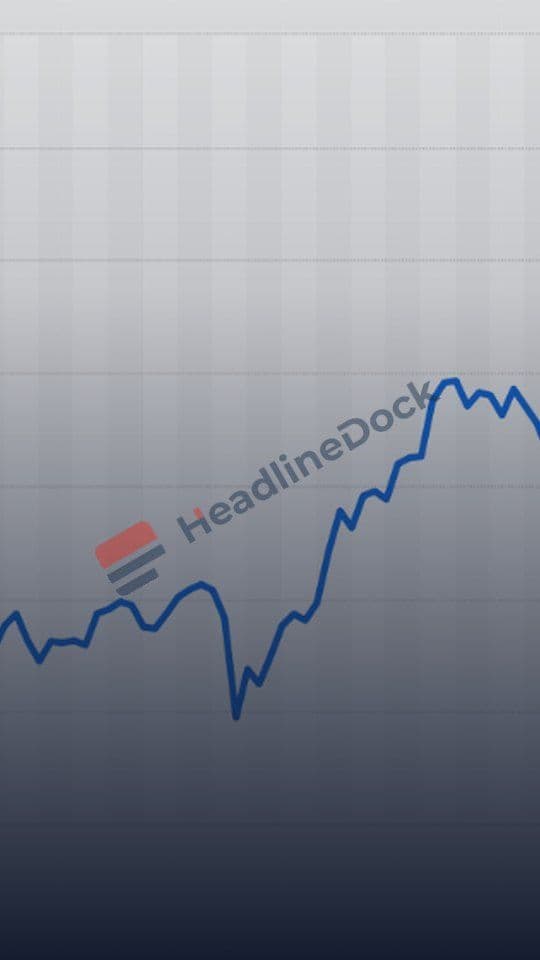
Analysts view current market volatility as a healthy correction within a broader structural bull trend.
BSE Sensex Today: 5 Reasons Why the Market Fell and Recovered
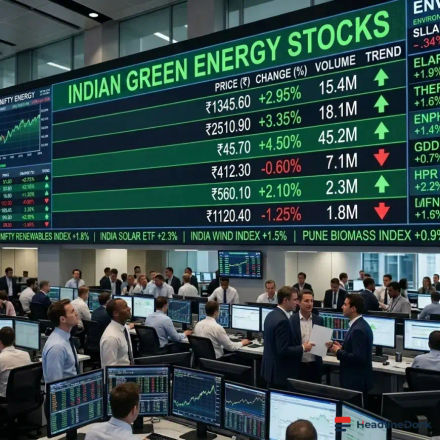
Today’s trading session on the BSE Sensex was a classic study in market psychology. What began as a morning of palpable anxiety, driven by sharp selling pressure, concluded with a resilient V-shaped recovery. For investors watching their terminals between 9:15 AM and 3:30 PM IST, the day offered a stark reminder that while global headwinds remain fierce, the domestic engine of the Indian economy continues to provide a vital buffer.
This volatility is not an isolated event but a continuation of the turbulence seen throughout July 2026. Understanding why the index swung so dramatically requires looking beyond the price ticker to the macroeconomic forces currently shaping the financial landscape.
The Anatomy of the Morning Sell-Off
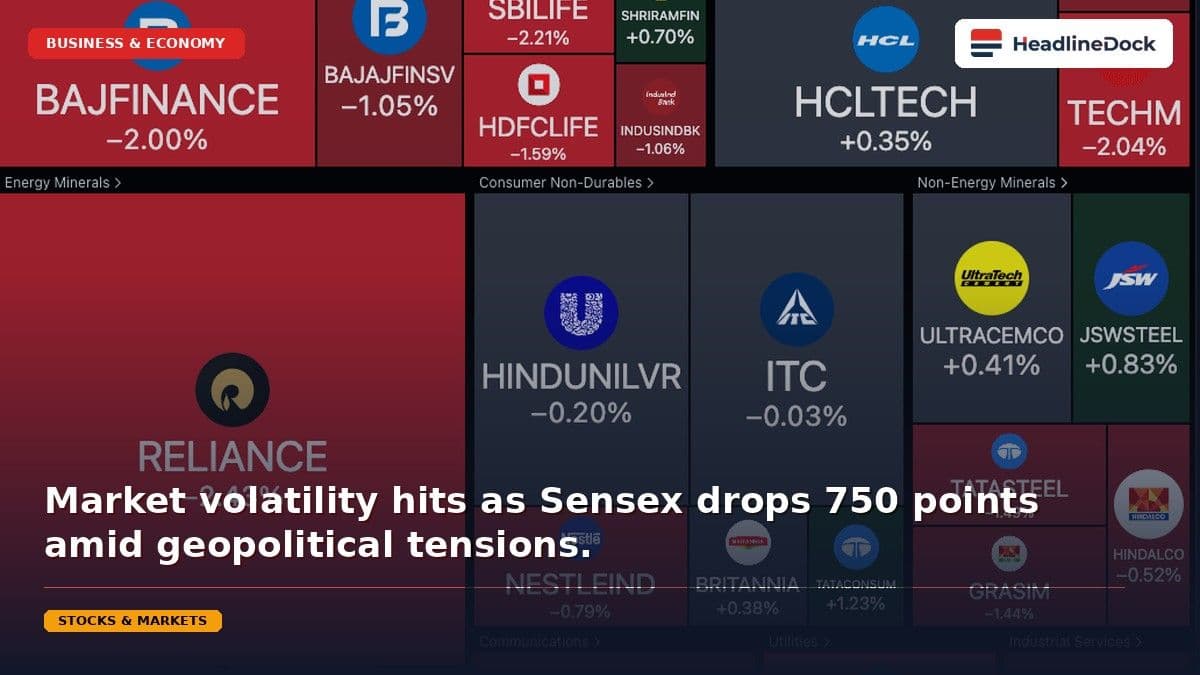
The initial decline was fueled by a convergence of international and technical pressures. The primary drivers behind the morning dip included:
- Geopolitical Instability: Rising tensions in oil-producing regions, particularly involving Iran, stoked fears of supply chain disruptions, rattling energy-sensitive markets.
- Surging Crude Oil Prices: As a major net importer of energy, India is acutely sensitive to oil price spikes. Higher costs directly inflate manufacturing and logistics expenses, squeezing corporate margins.
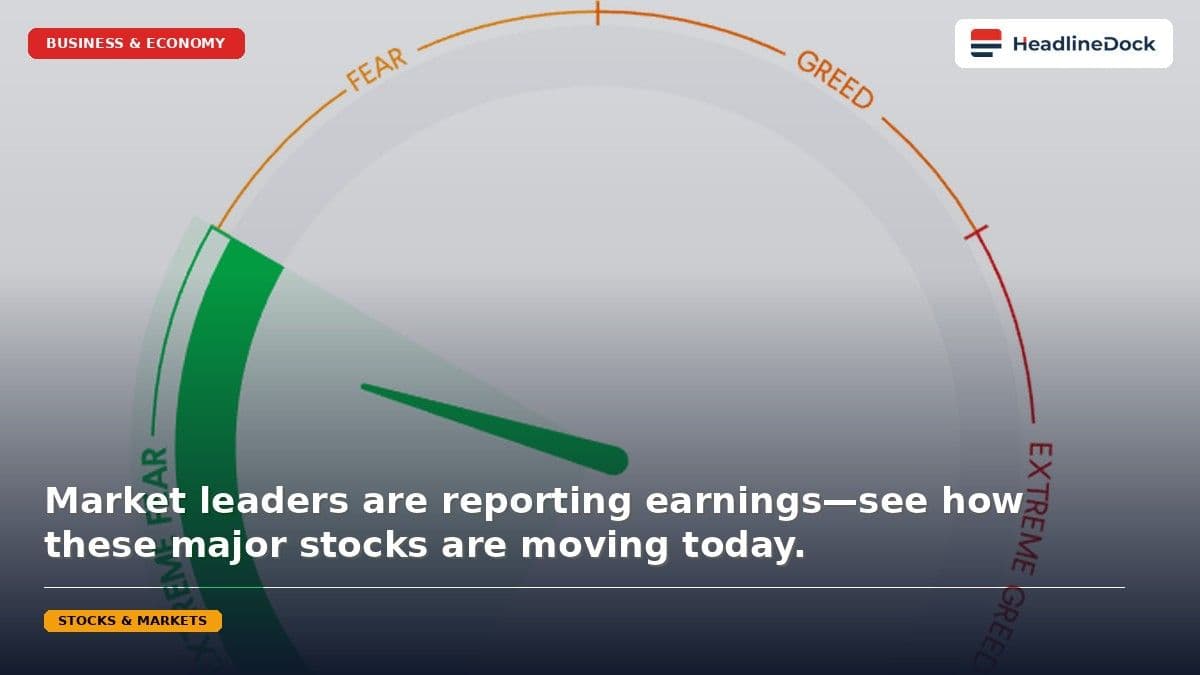
- The FII Exit: Foreign Institutional Investors (FIIs) adopted a broad "risk-off" strategy, triggering sustained outflows across emerging markets.
- Global Recessionary Fears: Ongoing concerns regarding macroeconomic stability in major Western economies created a contagion of worry, leading investors to trim exposure.
- Technical Profit Booking: After a period of sustained gains, traders used negative headlines to lock in profits, targeting high-beta sectors like IT and metals.
The Logic of the Recovery: Why the Bulls Responded
By midday, the sentiment shifted. The market began to stabilize as investors viewed the lower price points as an entry opportunity. The recovery was driven by five factors:
- Bargain Hunting: Investors stepped in to purchase fundamentally strong stocks at lower levels, viewing the dip as a temporary deviation from value.
- Domestic Institutional Support: DIIs provided a crucial floor for the indices, counteracting the FII selling spree.
- Strong Earnings Sentiment: Resilience in blue-chip corporate earnings, particularly in the tech sector (e.g., TCS), encouraged long-term investors to hold positions.
- Short Covering: Traders who had built short positions moved to cover them as the market showed signs of support at key technical levels.
- Policy Stability Outlook: Confidence in India’s long-term fiscal policy prompted a cooling of panic selling.
Market Sentiment Comparison Table
| Factor | Impact on Market | Current Status |
|---|---|---|
| Oil Prices | Negative (Inflationary) | Elevated |
| FII Activity | Negative (Outflows) | Risk-Off |
| DII Activity | Positive (Support) | Aggressive Buying |
| Corporate Earnings | Positive (Fundamental) | Resilient |
| Global Cues | Neutral/Negative | Anxious |
Managing Your Portfolio During Volatility
If you find yourself unsettled by intra-day crashes, use this diagnostic approach to manage your risk:
- Avoid Panic Selling: Historically, selling during the heat of a correction often realizes permanent losses. If the business model is still sound, the price dip is typically market noise.
- Focus on Technical Indicators: Look at RSI and defined support levels rather than sensationalist headlines to determine if a stock is statistically oversold.
- Diversify for Defense: Ensure exposure to non-correlated sectors like FMCG or Pharmaceuticals, which tend to be more defensive during market shocks.
Expert Consensus: A Bullish Correction
Market strategists have characterized this July volatility, including the 1,600-point drop seen on July 8th and today's rebound, as a "correction within a structural bull trend." The message to the investor is clear: prioritize quality over speculation. When the market moves with the speed seen today, remain anchored to the fundamentals of the companies you own.
📖 BSE Coverage Timeline (Story Graph)
Follow the chronological evolution of BSE updates and related announcements on HeadlineDock:
- Jun 29, 2026 — CBSE Dismisses Revaluation Claims by Student Vedant Shrivastava as False
- Jun 29, 2026 — CBSE Processes 99.7% of Class 12 Re-evaluation Results, Rejects Irregularity Claims
- Jun 29, 2026 — BSE Sensex Declines As Geopolitical Tensions Unnerve Investors Across Indian Markets
- Jul 06, 2026 — Indie Horror Hit Obsession Shatters Box Office Records with $400 Million Gross
- Jul 20, 2026 — BSE Sensex Crashes 900 Points: Key Reasons Behind the Market Sell-off
- Today — Active Coverage: (You are reading this article)
Frequently Asked Questions
Why does the Sensex fall when global markets are down?
The Indian market is highly integrated with global financial systems. Negative global cues like recession fears or rising oil prices often trigger automated selling by global funds.
What is buying at lower levels?
It refers to investors purchasing shares when their price has fallen significantly, believing the stock is undervalued and will rise again in the future.
How do oil prices affect the Sensex?
As a major importer of crude oil, India’s inflation and fiscal deficit are sensitive to oil prices. High prices increase costs for companies, squeezing profit margins and weighing on share prices.
What should long-term investors do during market crashes?
Financial experts generally advise against panic selling. Long-term investors often use such volatility to increase their holdings in fundamentally sound companies.