Sensex Tumbles Over 750 Points: Why Is the Stock Market Falling Today?
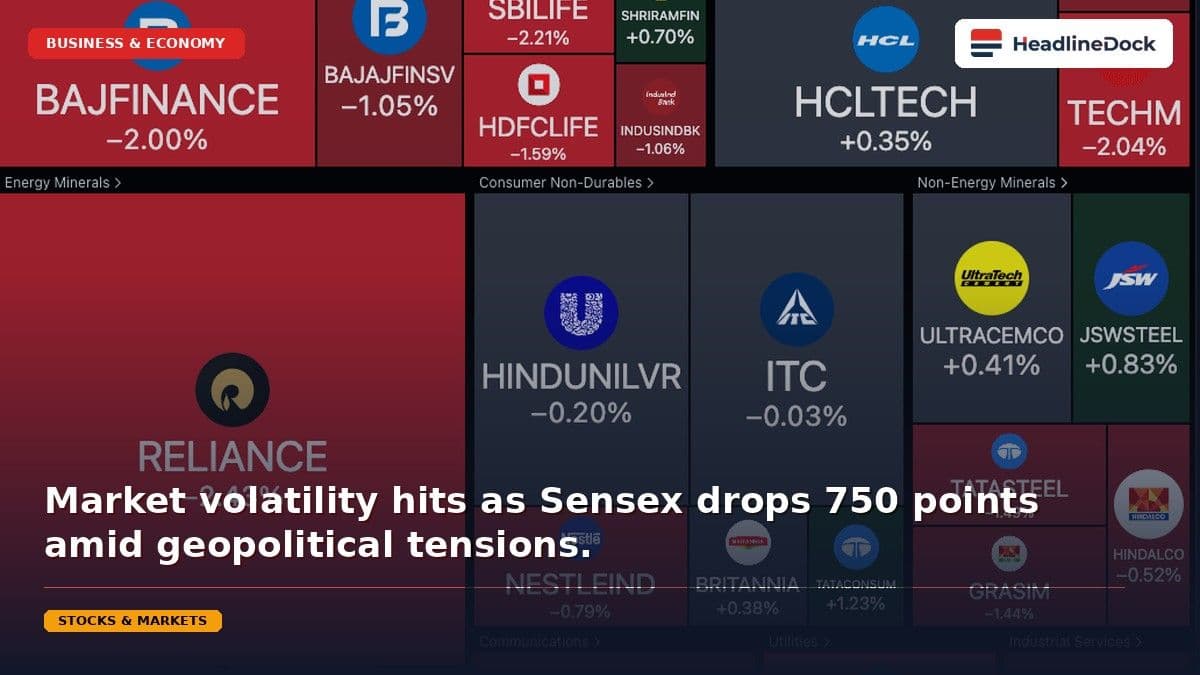
On July 20, 2026, the BSE Sensex plummeted over 750 points to 77,399.31. The decline was triggered by poor quarterly results from major private banks like HDFC and Axis, coupled with inflationary fears driven by a sharp rise in crude oil prices amid intensifying US-Iran geopolitical tensions.
Read it in Short
QUICK OVERVIEW
The BSE Sensex dropped over 750 points on July 20, 2026, amid market-wide sell-offs.
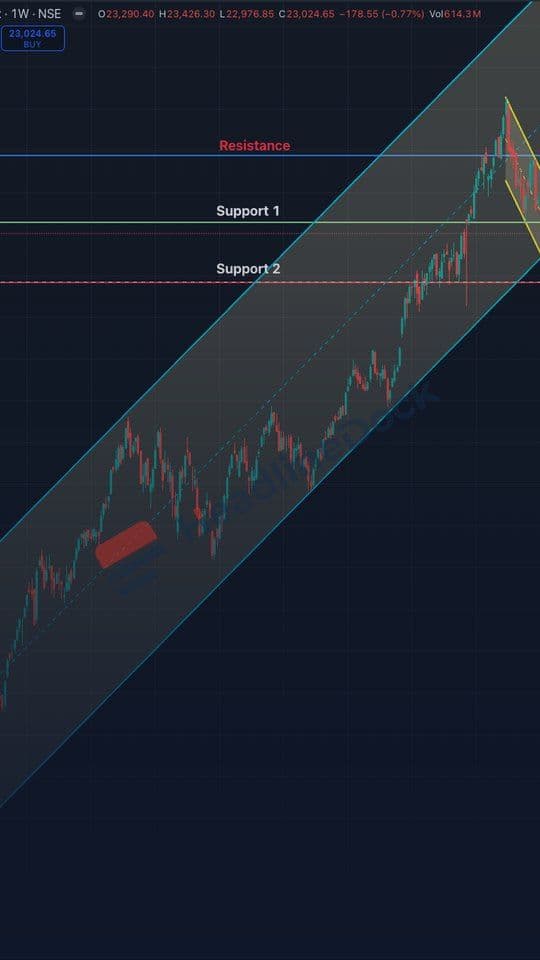
Disappointing quarterly earnings from HDFC Bank and Axis Bank pressured Net Interest Margins.

Rising geopolitical tensions between the US and Iran pushed Brent crude prices above USD 90.
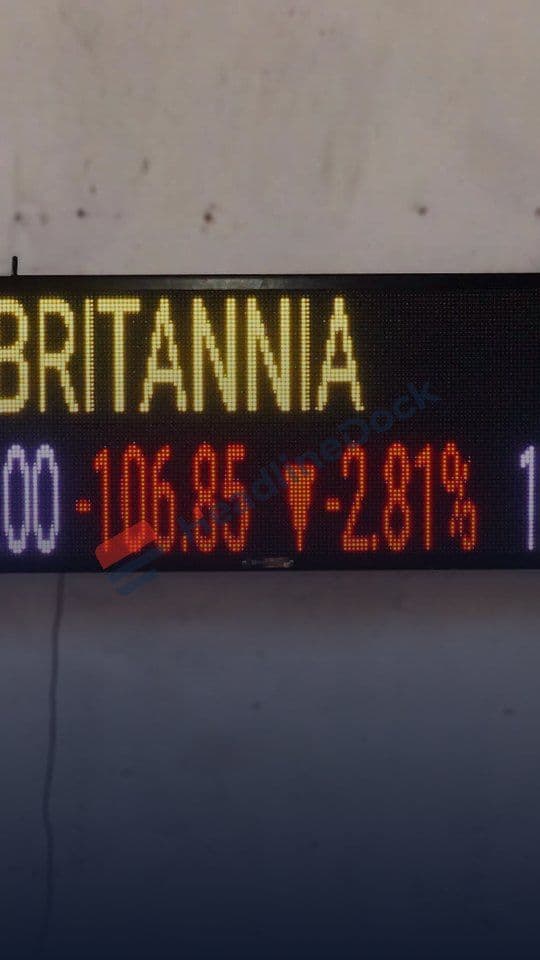
Experts view the decline as a volatile market correction driven by sector and geopolitical factors.
Sensex Tumbles Over 750 Points: Why Is the Stock Market Falling Today?
On July 20, 2026, the Indian equity market faced a sharp correction, with the BSE Sensex tumbling over 750 points. For investors tracking their portfolios, the drop was a jarring reminder of how quickly global events and corporate performance can converge to disrupt market stability. By midday, the benchmark index stood at approximately 77,399.31, as selling pressure persisted across major sectors.
This decline is best understood as a "double-whammy" effect. The market is currently being squeezed from two sides: the macro-economic reality of rising energy costs caused by geopolitical strife, and the micro-economic disappointment stemming from the banking sector’s latest financial disclosures.
The Drivers of the Decline
The primary catalysts for today’s market volatility are distinct but interconnected. Understanding them is essential for any investor attempting to navigate the current climate.
1. Geopolitical Tensions and Crude Oil Volatility
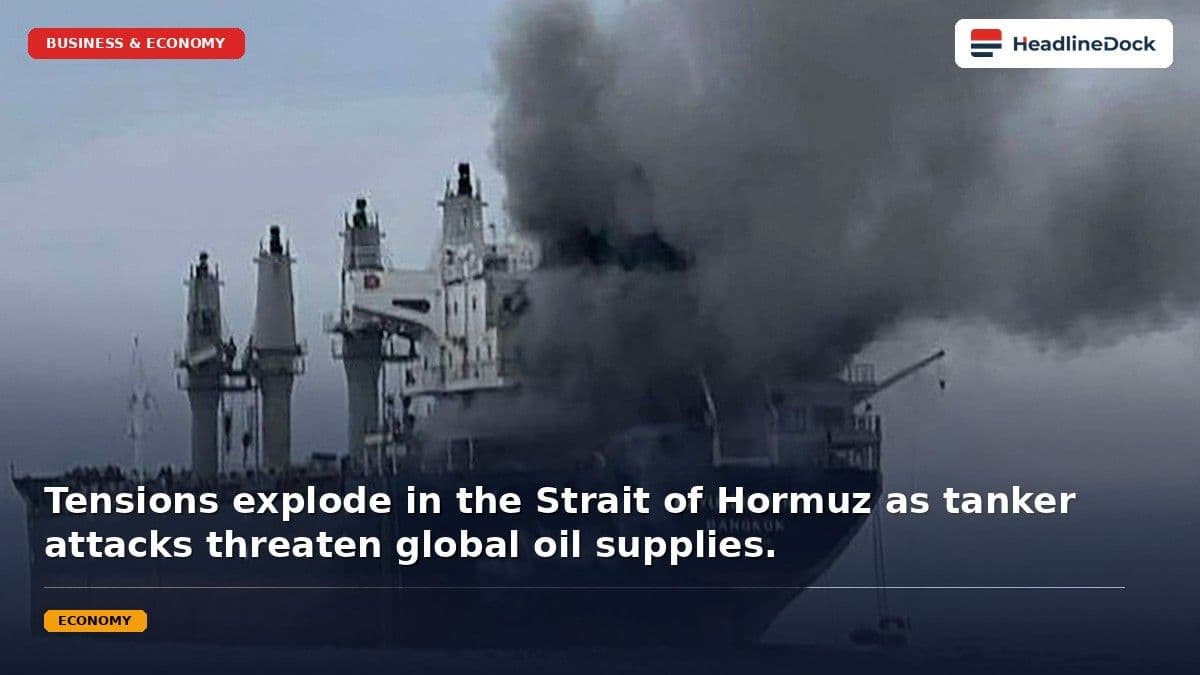
The escalating conflict between the United States and Iran, particularly concerning the Strait of Hormuz, has sent shockwaves through global energy markets. Brent crude prices have surged past the USD 90 per barrel threshold. For India, which relies heavily on imports to meet its energy demands, this is a significant threat. Higher crude prices act as a direct tax on the economy, fueling "imported inflation" and weakening the rupee, which in turn squeezes the operating margins of domestic companies.
2. Banking Sector Earnings Misses
The second pillar of today’s sell-off is rooted in corporate performance. Major private sector lenders, specifically HDFC Bank and Axis Bank, released quarterly earnings that fell short of analyst expectations. The central issue highlighted was pressure on Net Interest Margins (NIMs)—a critical metric that measures the difference between interest income generated and the amount paid out to depositors. When bank heavyweights face margin compression, it inevitably drags down the broader indices like the Nifty and Sensex.
Market Drivers Comparison
| Factor | Impact on Market | Primary Trigger |
|---|---|---|
| Crude Oil Prices | High Inflation/Reduced Margins | Strait of Hormuz/US-Iran Tensions |
| Banking Earnings | Sector-wide Sell-off | NIM Compression in HDFC & Axis |
| Global Sentiment | Foreign Fund Outflows | Risk-off behavior in emerging markets |
What This Means for Your Portfolio
Financial analysts are characterizing this drop as an "anticipated correction" rather than a systemic crash. Because the Indian market has seen significant growth in recent periods, a consolidation phase is often viewed as a mechanism to reset valuations. However, the presence of foreign institutional investors (FIIs) moving toward a "risk-off" stance adds a layer of uncertainty.
Market sentiment is currently "cautious." Investors are now looking toward the upcoming FY27 Q1 earnings reports to determine if the margin pressures seen in HDFC and Axis Bank are symptomatic of a deeper, systemic issue within the banking industry or if they are isolated performance blips.
Managing Market Volatility
When the market drops significantly, the urge to react immediately is strong. However, experienced market participants generally follow a disciplined approach to manage periods of volatility:
- Avoid Panic-Selling: Short-term volatility often stems from temporary geopolitical headlines. Selling at the bottom of a daily dip can lock in losses unnecessarily.
- Monitor Leading Indicators: Keep a close eye on the Brent Crude price index. If energy prices stabilize, a significant inflationary headwind will be removed, providing the market room to recover.
- Analyze Sector Trends: Use this time to research whether the earnings misses are bank-specific. If other sectors show resilience in upcoming reports, it may indicate a rotation of capital rather than a market-wide failure.
- Maintain Long-Term Perspective: Evaluate your portfolio against your original investment horizon. If your goals remain unchanged, a 750-point correction is often viewed by long-term investors as a cyclical event rather than a permanent loss of value.
Frequently Asked Questions
Why did the Sensex fall on July 20, 2026?
The fall was primarily caused by a sharp rise in crude oil prices due to US-Iran tensions and weak earnings reports from major private banks.
Which stocks were most affected?
HDFC Bank and Axis Bank were the top losers, leading the drag on the Nifty and Sensex.
How does the crude oil price impact the Indian market?
India is a major oil importer; rising prices lead to higher import costs, which increase inflation and put pressure on the rupee and corporate margins.
Is this a long-term market crash?
Analysts described it as a volatile correction driven by specific geopolitical and sectoral events, rather than a systemic market collapse.
What should investors watch next?
Investors are closely monitoring geopolitical developments in the Middle East and the upcoming quarterly results of other major Indian corporations.
Frequently Asked Questions
Why did the Sensex fall on July 20, 2026?
The fall was primarily caused by a sharp rise in crude oil prices due to US-Iran tensions and weak earnings reports from major private banks.
Which stocks were most affected?
HDFC Bank and Axis Bank were the top losers, leading the drag on the Nifty and Sensex.
How does the crude oil price impact the Indian market?
India is a major oil importer; rising prices lead to higher import costs, which increase inflation and put pressure on the rupee and corporate margins.
Is this a long-term market crash?
Analysts described it as a volatile correction driven by specific geopolitical and sectoral events, rather than a systemic market collapse.
What should investors watch next?
Investors are closely monitoring geopolitical developments in the Middle East and the upcoming quarterly results of other major Indian corporations.