Is Netflix Stock a Once-in-a-Decade Opportunity or a Value Trap?
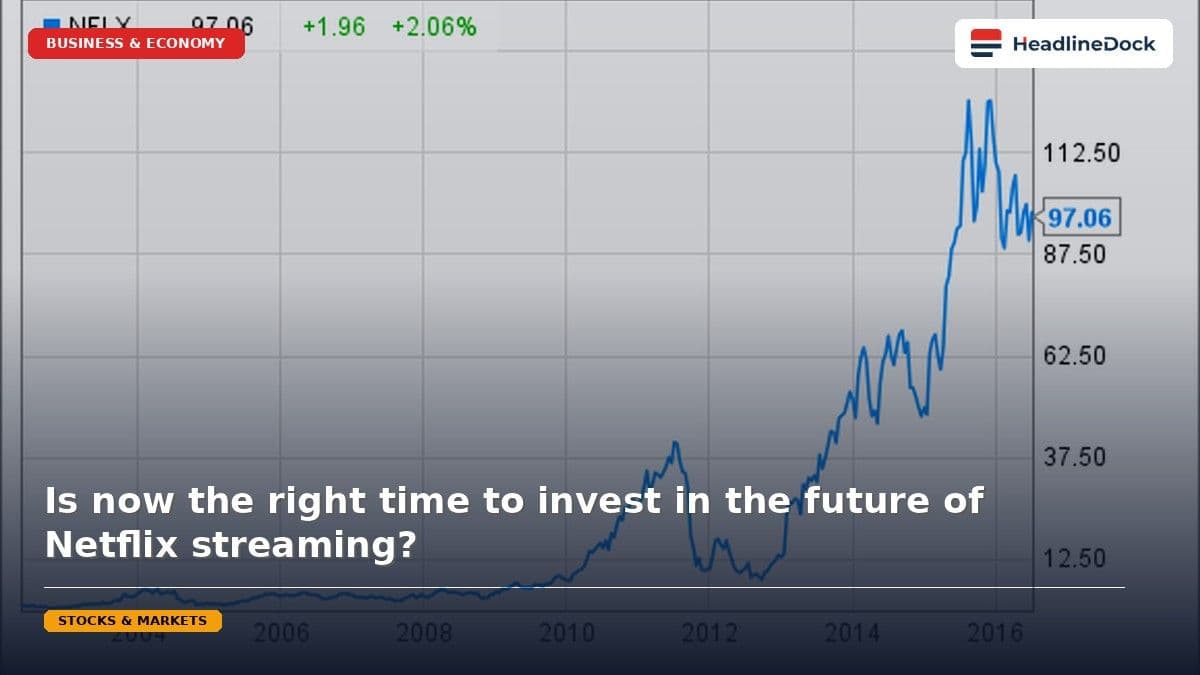
Netflix is experiencing significant market volatility with shares nearing $70. While management focuses on double-digit revenue growth and expanding its advertising business, investors are debating whether the stock represents a long-term opportunity or a potential value trap amidst intense streaming competition.
KEY TAKEAWAYS
1 MIN READ- Netflix shares are trading near $70, significantly down from their previous record highs.
- The company aims for approximately 13.3% revenue growth in 2026, marking a shift toward a mature business phase.
- Increased competition from multiple streaming platforms and rising content costs for live events are key pressures.
- Management is prioritizing the expansion of the advertising segment to reach $3 billion by 2026.
Investors are currently evaluating the future of Netflix as the streaming giant's stock price faces significant downward pressure. Trading at roughly 45% below its record high, Netflix shares have recently flirted with the $70 mark, a level not seen in a sustained capacity since late 2024. This market volatility has sparked an intense debate among analysts regarding whether the company represents a compelling long-term buying opportunity or a potential value trap.
Market Dynamics and Growth Outlook
The primary concern influencing Netflix stock performance is a perceived slowdown in growth as the company enters a more mature phase of its life cycle. Management has projected year-over-year revenue growth of approximately 13.3% for 2026. While this indicates continued expansion, it contrasts with the hyper-growth phases of previous years. Furthermore, the streaming industry faces heightened competition from major players such as Disney+, Amazon Prime Video, HBO Max, Apple TV, and YouTube, all vying for limited consumer attention.
Despite these challenges, many market observers argue that Netflix is far from a traditional value trap. The firm maintains a dominant user base, high brand recognition, and a robust financial position, having generated $9.5 billion in free cash flow in 2025. With a price-to-earnings ratio of approximately 24, the current valuation provides a unique entry point for those who have been monitoring the stock for several years.
Strategic Revenue Drivers
The company’s growth narrative is increasingly tied to its ability to diversify revenue streams. Central to this strategy is the expansion of its advertising business, with management aiming to reach approximately $3 billion in revenue from this segment in 2026. While recent adjustments in viewership reporting methodologies by industry observers have introduced some uncertainty, the focus remains on top-line compounding as the primary engine for future gains.
Analysts note that while margin trajectories and stock market multiples play supporting roles, the long-term success of Netflix will be determined by its ability to execute consistent double-digit revenue growth. Additionally, the company has actively retired roughly 5.2% of its share count over the last three years, which has historically helped bolster per-share earnings. As the market digests these competing pressures, investors are weighing the risks of a concentrated bet on Netflix against broader sector investments or diversified portfolio strategies designed to mitigate single-stock volatility. Ultimately, the question remains whether the streaming pioneer can translate its cultural ubiquity into sustained financial growth in an increasingly crowded digital landscape.