How to Stay Relevant and Thrive in an AI-Driven Economy
Adapting to an AI-driven economy requires professionals to pivot towards skills that machines cannot replicate, such as strategic thinking and emotional intelligence. By embracing AI as a collaborative tool, employees can enhance their productivity and remain indispensable in a rapidly evolving professional landscape.
Highlights
- •Staying relevant requires blending human-centric skills with AI literacy and technological adaptability.
- •Workers are encouraged to leverage AI for mundane tasks to focus on complex, high-value strategic objectives.
- •Continuous learning and curiosity are essential for long-term career success in an evolving market.
- •Professional value will shift toward those who can effectively synthesize machine output with human intuition.
As the global workforce faces an unprecedented shift in job requirements, understanding how to stay relevant in an AI-driven economy has become a priority for professionals across all sectors. With artificial intelligence rapidly automating routine tasks and transforming traditional workflows, individuals must pivot their focus toward developing unique human skills that complement machine intelligence rather than competing against it.
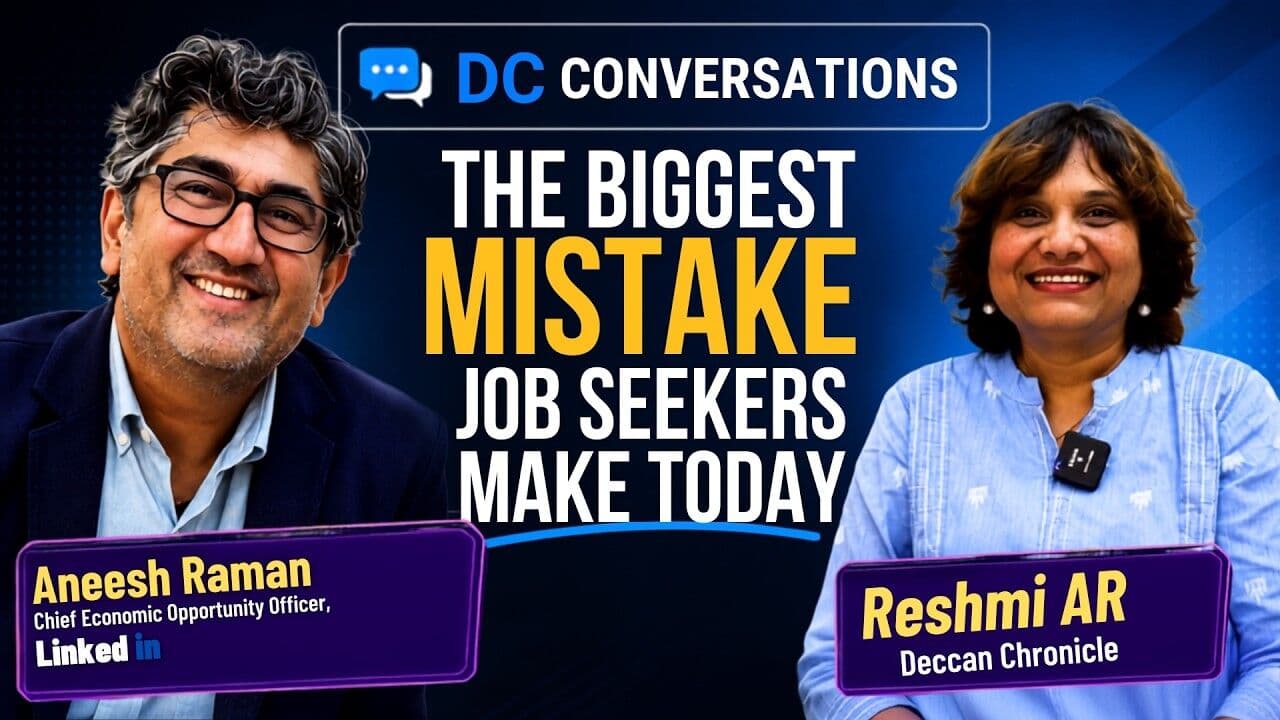
Experts like Aneesh Raman emphasize that the rapid expansion of AI necessitates a fundamental change in how employees approach their careers and continuous learning. Rather than viewing this technological transition with fear, workers are encouraged to treat it as an opportunity to offload mundane administrative duties. By embracing these tools, professionals can dedicate more time to strategic thinking, complex problem-solving, and tasks that require emotional intelligence.
Building Resilience in an AI-Driven Economy
A successful transition into an AI-driven economy involves cultivating adaptability and a commitment to lifelong learning. Technical proficiency is no longer limited to software developers; workers in every field must become comfortable interacting with intelligent systems to maintain their productivity and value. Developing a hybrid skillset—combining domain expertise with AI literacy—is the most effective way to safeguard one's professional future.
The ability to curate, analyze, and ethically apply insights generated by machines is becoming a defining trait of the modern workforce. While automation can handle data processing at scale, it often lacks the nuanced judgment required for creative and interpersonal communication. Strengthening these distinctly human competencies allows individuals to stay ahead of market disruptions. Furthermore, staying informed about the latest technological breakthroughs enables workers to integrate emerging solutions into their daily routines proactively.
Ultimately, the objective is to view technology as a collaborator. As organizations adopt AI solutions to drive efficiency, those who can bridge the gap between human intuition and algorithmic precision will be in high demand. Prioritizing flexibility and curiosity ensures that professionals can evolve alongside the changing landscape, turning the challenges of the AI-driven economy into a platform for significant long-term growth.