BSE Sensex Crashes 900 Points: Key Reasons Behind the Market Sell-off
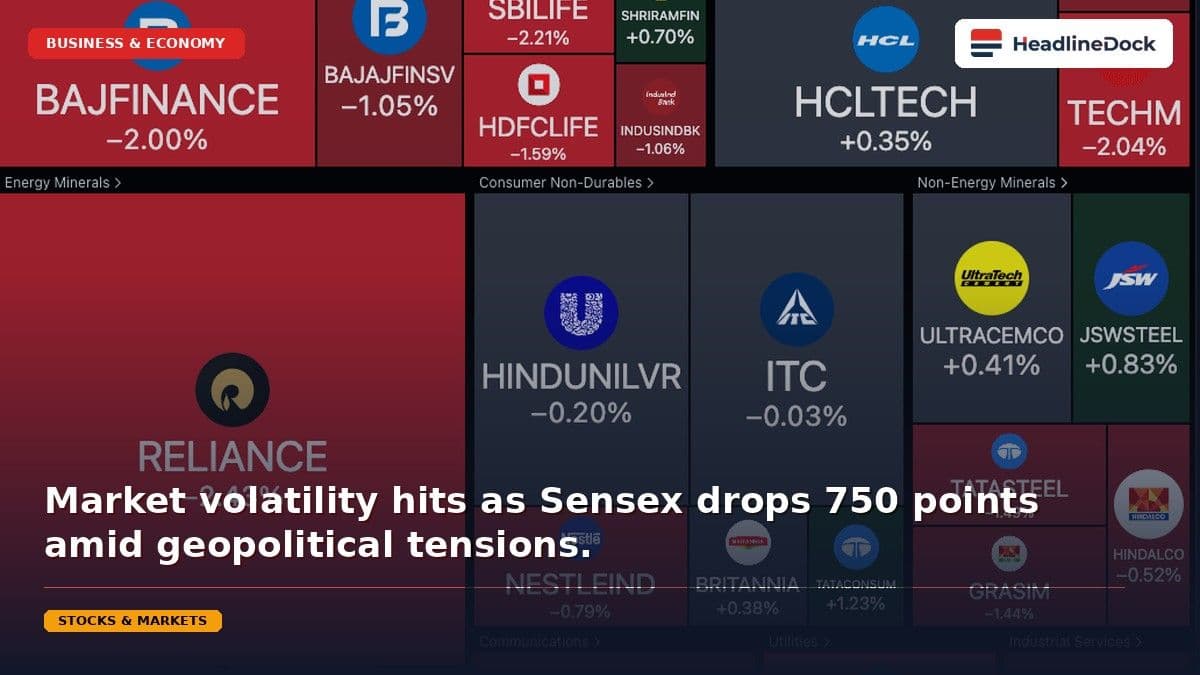
On June 23, 2026, the BSE Sensex plummeted by 900 points due to an IT sector sell-off, negative global cues, and West Asian geopolitical tensions. Analysts advise investors to remain calm, focus on fundamental strengths, and view this period as a necessary consolidation phase rather than a reason for panic.
Read it in Short
QUICK OVERVIEW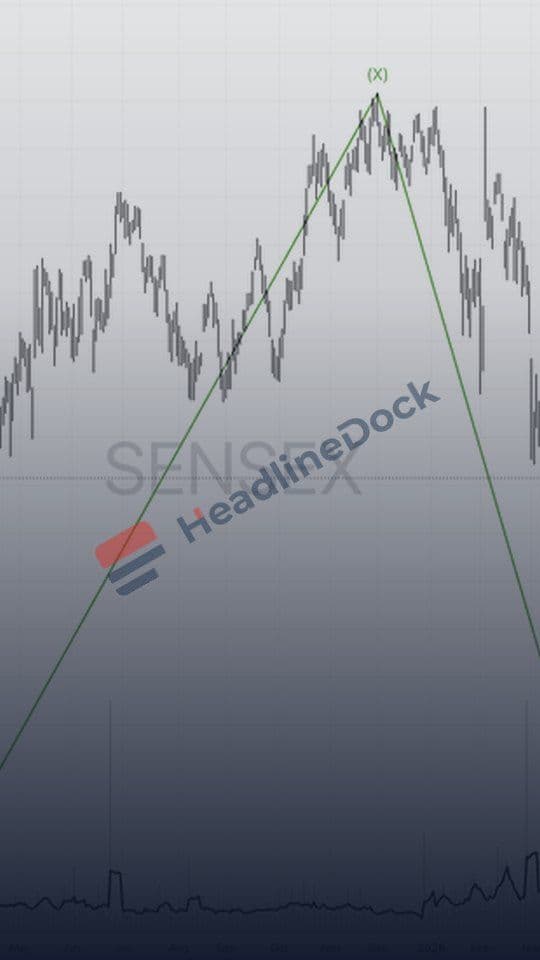
BSE Sensex faced a sharp 900-point decline on June 23, 2026, driven by broad-based sell-offs.
The IT sector and negative global sentiment regarding US interest rates were primary contributors to the downturn.
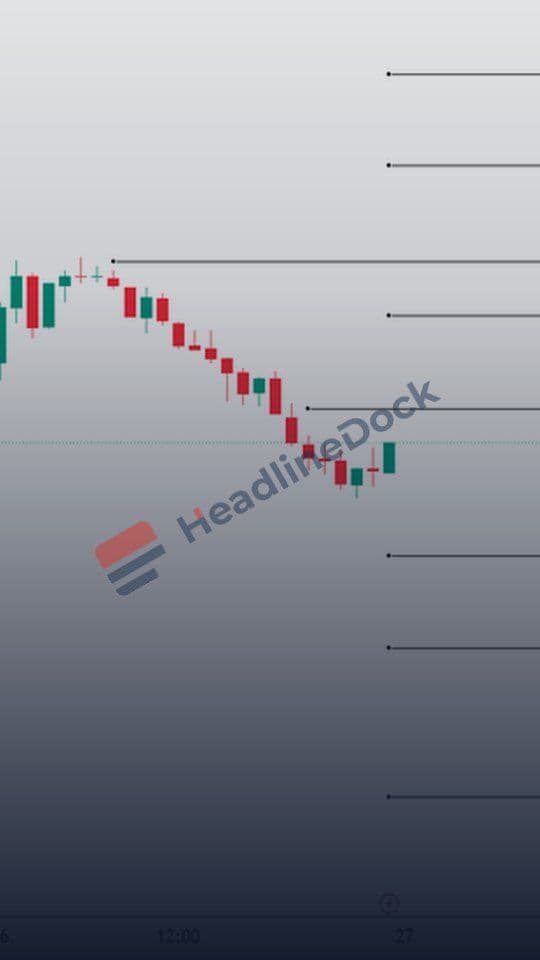
Geopolitical instability in West Asia increased crude oil prices, further pressuring the domestic Indian market.
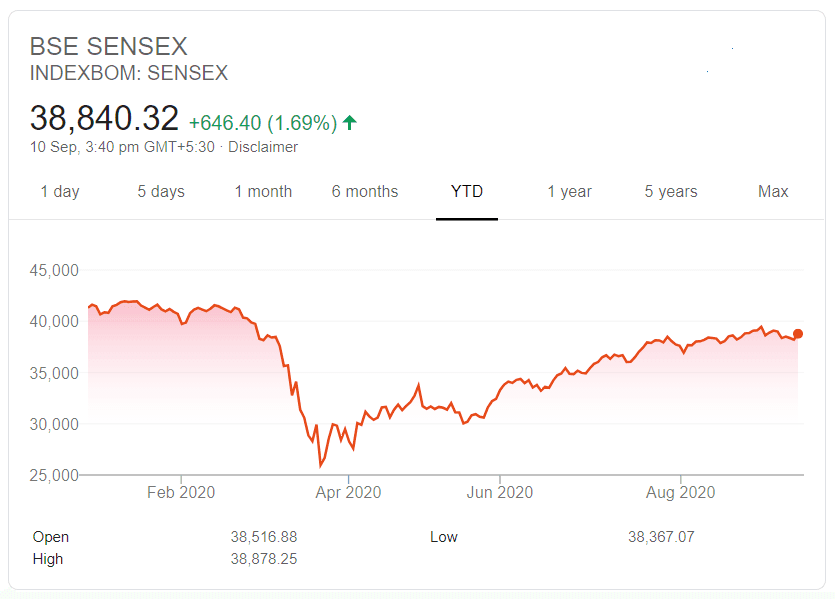
Market experts recommend maintaining long-term perspectives and focusing on company fundamentals over panic selling.
BSE Sensex Crashes 900 Points: Key Reasons Behind the Market Sell-off
The stock market is often a reflection of collective human psychology translated into numbers. When the BSE Sensex shed nearly 900 points on June 23, 2026, it was a manifestation of growing investor anxiety. For market participants, such a sharp, single-session drop can be jarring, but contextualizing this move is essential for making informed decisions rather than reactive ones.
This decline was driven by a confluence of global headwinds and domestic sectoral shifts that have turned the market’s previous bullish momentum into a period of cautious consolidation.
The Anatomy of the Sell-Off
The primary driver of the June 23 crash was a broad-based sell-off that hit multiple sectors, with the Information Technology (IT) sector acting as the most significant anchor. Indian IT stocks, historically growth engines for the Sensex, faced immense pressure due to global tech weakness and uncertainty regarding international demand.
Beyond the tech sector, the index suffered from a "risk-off" environment. Foreign Institutional Investors (FIIs) have been consistent net sellers. When global investors face uncertainty—whether from US interest rate fluctuations or potential tariff anxieties—they often withdraw capital from emerging markets like India to prioritize safer assets.
Key Factors Driving the Volatility
- IT Sector Capitulation: Large-cap IT firms saw a massive exodus of capital, dragging the benchmark index down due to their significant index weightage.
- Geopolitical Risk: Ongoing instability in West Asia has impacted energy markets. Higher crude oil prices directly affect India’s import bill, fueling inflation concerns.
- Global Macro Sensitivity: Uncertainty surrounding US central bank interest rate policies remains a primary driver of fluctuations in Indian equities.
- Tariff Anxieties: Investors remain hyper-sensitive to global trade shifts, leading to immediate defensive sell-offs.
Market Sentiment: A Shift in Perspective
The market has transitioned from the growth-driven optimism seen in early 2026 to a "wait-and-watch" consolidation phase.
| Factor | Early 2026 Trend | Late July 2026 Status |
|---|---|---|
| Market Sentiment | Bullish | Cautious/Consolidation |
| Primary Driver | Domestic Growth | External/Geopolitical Cues |
| IT Sector | Steady Performance | High Selling Pressure |
| FII Activity | Net Buying | Consistent Outflows |
Vinod Nair of Geojit Financial Services notes that the domestic market is tethered to external pressures. This reassessment of risk by foreign investors is the defining feature of the current period. Market volatility remains high, evidenced by the 561-point drop on July 14, following the initial June 23 correction.
Strategic Portfolio Management
1. Avoid the Panic Exit
Market corrections are a natural part of any long-term economic cycle. Liquidating a portfolio during a temporary dip often results in "realizing" losses that would have otherwise recovered.
2. Focus on Fundamental Strength
Companies with strong cash flows, low debt, and clear growth paths are better equipped to weather market volatility. If your conviction in the underlying business remains unchanged, market noise should not dictate your strategy.
3. Monitor Leading Indicators
Stay focused on economic drivers rather than daily index charts:
- Crude Oil Prices: A determinant of Indian inflationary trends.
- Central Bank Minutes: Clues on interest rate trajectories.
- Q2 Earnings Reports: Corporate profitability remains the ultimate safeguard against index volatility.
Volatility is the price of admission for long-term wealth creation. By maintaining a focus on core economic indicators, investors can navigate periods of consolidation with greater clarity.
Frequently Asked Questions
Why did the Sensex fall by 900 points?
The fall was triggered by an IT stock sell-off, negative global cues, and investor caution regarding geopolitical instability in West Asia.
Are retail investors advised to exit during such crashes?
Experts suggest maintaining a long-term perspective and caution against panic selling, focusing instead on fundamental strength.
Is this drop related to the US economy?
Yes, market analysts cite US interest-rate uncertainty as a major factor influencing foreign fund flow into Indian markets.
📖 BSE Coverage Timeline (Story Graph)
Follow the chronological evolution of BSE updates and related announcements on HeadlineDock:
- Jun 28, 2026 — NASA Launches Daring Rescue Mission to Save Aging Swift Observatory
- Jun 29, 2026 — CBSE Dismisses Revaluation Claims by Student Vedant Shrivastava as False
- Jun 29, 2026 — CBSE Processes 99.7% of Class 12 Re-evaluation Results, Rejects Irregularity Claims
- Jun 29, 2026 — BSE Sensex Declines As Geopolitical Tensions Unnerve Investors Across Indian Markets
- Jul 06, 2026 — Indie Horror Hit Obsession Shatters Box Office Records with $400 Million Gross
- Today — Active Coverage: (You are reading this article)
Frequently Asked Questions
Why did the Sensex fall by 900 points?
The fall was triggered by a combination of a domestic IT stock sell-off, negative global market cues, and investor caution regarding geopolitical instability in West Asia.
Are retail investors advised to exit during such crashes?
Financial experts generally suggest maintaining a long-term perspective and caution against panic selling, recommending that investors focus on fundamental strength rather than short-term volatility.
Is this drop related to the US economy?
Yes, market analysts frequently cite US interest-rate uncertainty as a major factor influencing foreign fund flow into Indian markets.