NASA Launches Daring Rescue Mission to Save Aging Swift Observatory
NASA is deploying a $30 million robotic mission to save the aging Swift Observatory from atmospheric re-entry. By using a new autonomous robotic spacecraft, the agency aims to boost the telescope to a higher orbit, ensuring it continues its vital work in space exploration.
Highlights
- •NASA is initiating a $30 million rescue mission to prevent the Swift Observatory from crashing into Earth.
- •The mission utilizes a specialized robotic spacecraft, Lift, to maneuver the telescope into a higher, stable orbit.
- •Recent intense solar activity has significantly accelerated the orbital decay of the 20-year-old satellite.
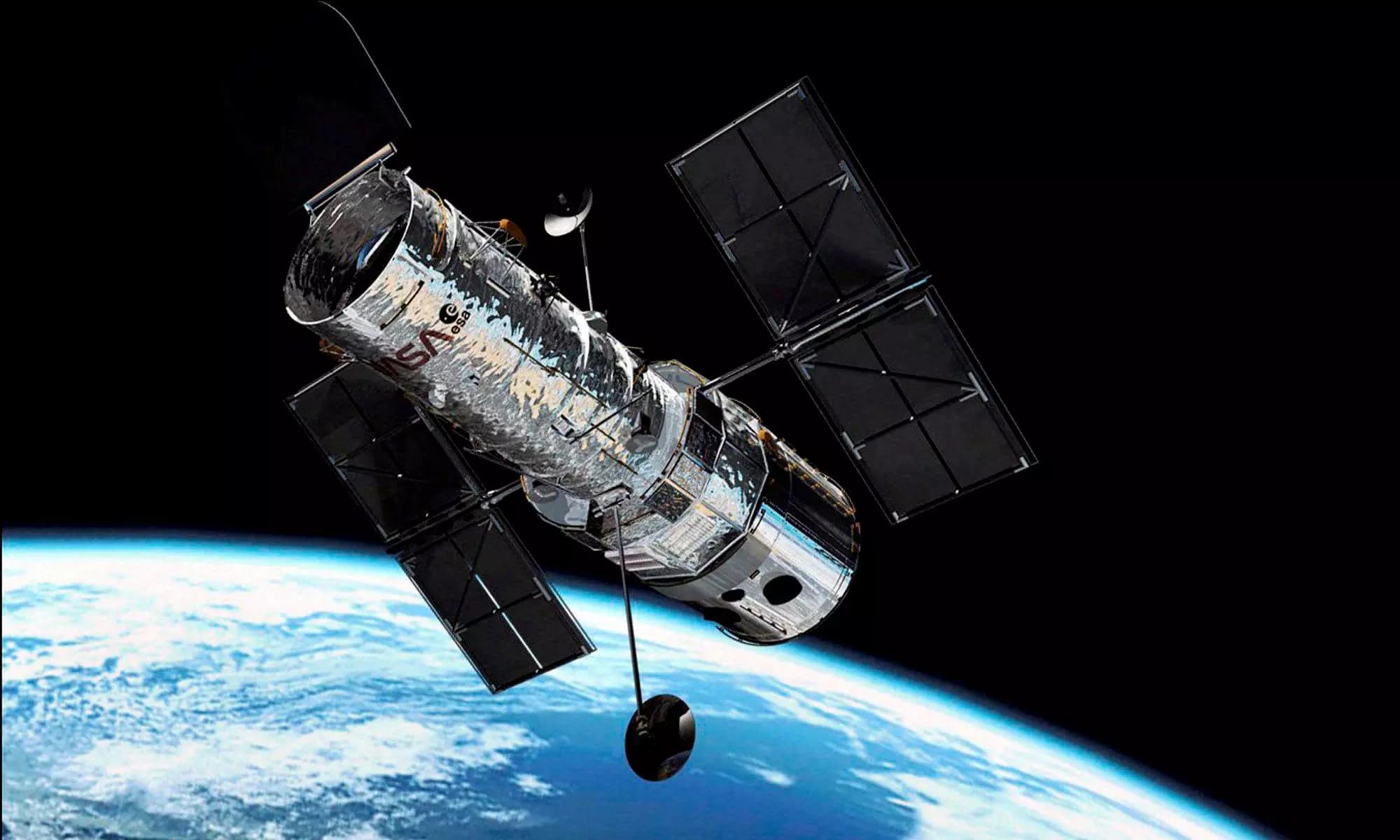
- •This project serves as a test case for future satellite servicing and potential life-extension missions for assets like the Hubble Space Telescope.
NASA has launched a critical rescue mission aimed at saving the aging Swift Observatory, which is currently at risk of re-entering the atmosphere and falling back to Earth. This daring operation involves a USD 30 million salvage project featuring a robotic spacecraft designed to boost the satellite into a higher, more stable orbit.
The Swift Observatory, which has been instrumental in scanning the cosmos for astronomical explosions since its inception in 2004, has faced a rapid decline in altitude due to recent intense solar activity. To prevent the loss of this valuable scientific asset, NASA partnered with the startup Katalyst Space Technologies. The rescue plan centers on deploying a robotic vehicle, known as Lift, to retrieve and reposition the telescope.
The Challenges of the Swift Rescue Mission
The mission is scheduled to commence with the launch of an aeroplane-launched Pegasus rocket from the Marshall Islands. The Lift spacecraft, an autonomous robot developed by Katalyst Space Technologies, is tasked with performing a complex rendezvous with the 1.6-ton gamma-ray observatory. Once the Lift robot catches up to the satellite, it will utilize its three-armed robotic system to elevate the observatory from its current altitude of approximately 224 miles to a safer altitude of 373 miles.
Experts note that this operation is inherently difficult because the Swift Observatory was never engineered for in-orbit repairs or retrieval. With the satellite approaching a critical point of no return—expected by October—the pressure to execute this rescue mission is significant. Scientific operations were suspended in February to preserve power and slow the descent, highlighting the urgency of the situation.
If successful, this project will prove a novel approach in space maintenance, providing a blueprint for extending the operational lifespans of aging national assets. Officials from NASA have expressed that the effort is justified given the high cost and irreplaceable capabilities of the telescope. Furthermore, the success of this rescue mission could pave the way for future service operations, potentially including the maintenance of the Hubble Space Telescope in the coming years. Ghonhee Lee, the CEO of Katalyst Space Technologies, envisions a future where robotic services routinely repair, refuel, and upgrade orbital platforms, transforming how humanity maintains its presence in space.