International Space Station Faces Growing Safety Risks from Persistent Air Leaks
Persistent air leaks in the Zvezda tunnel of the International Space Station have raised safety concerns. As NASA and Roscosmos work to manage the aging structure, the timeline for commercial replacements remains uncertain, potentially delaying the station's final decommissioning until 2032.
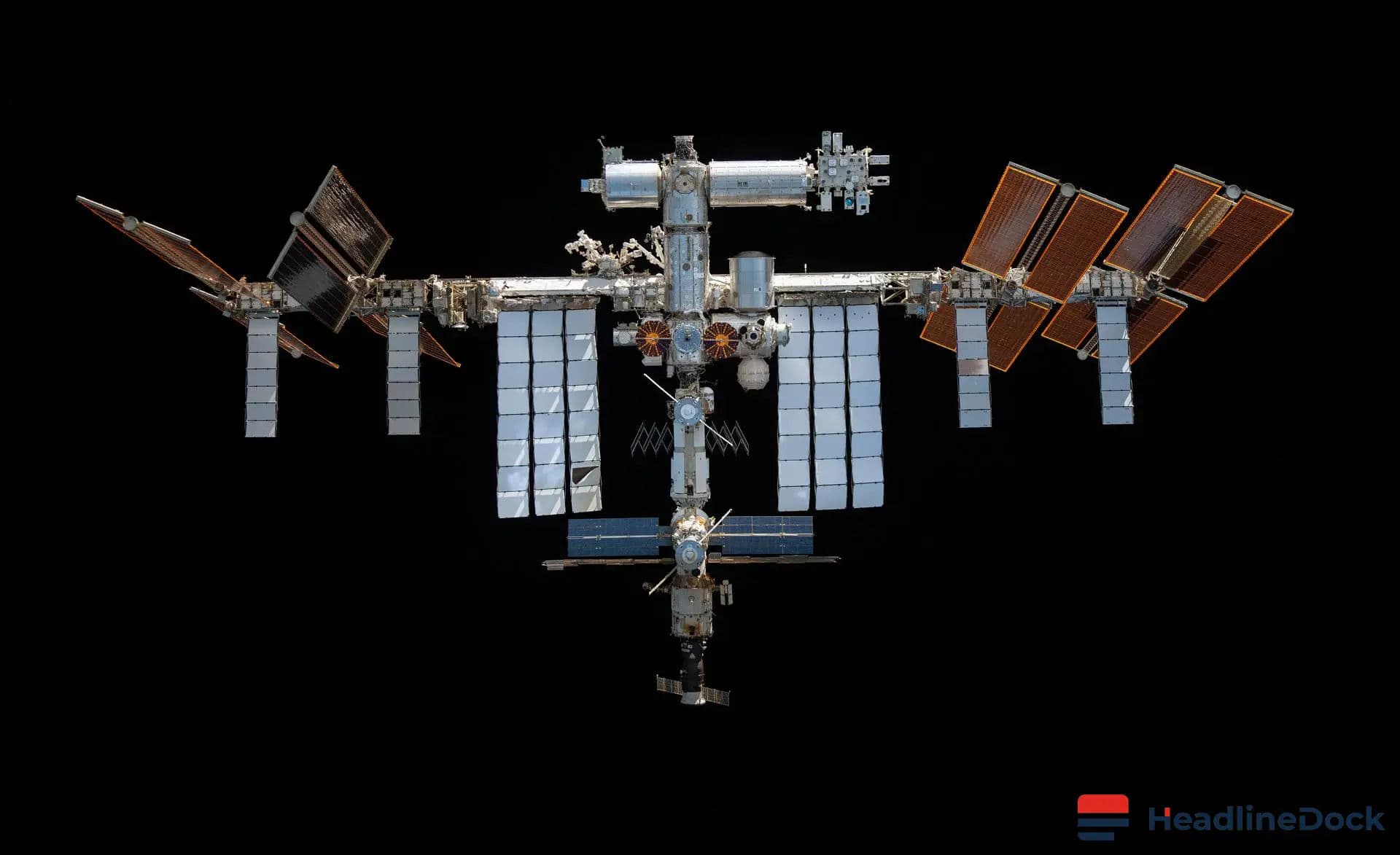
The International Space Station (ISS), a long-standing monument to global scientific cooperation, is currently facing significant technical hurdles due to persistent air leaks. On June 5, 2026, mission control directed five crew members to take shelter in their docked spacecraft as a precautionary measure to prepare for a potential evacuation. This incident underscores the aging nature of the ISS, which has been in continuous operation since November 2000, and highlights growing concerns regarding its structural integrity.
The primary concern involves fine fractures located within the Zvezda PrK transfer tunnel. This specific section of the station is essential, as it provides a pathway to a docking port. Despite ongoing efforts to patch these cracks with sealant, the issue has remained unresolved, leading to a point of contention between NASA and the Russian space agency, Roscosmos. While Roscosmos has downplayed the risks, NASA continues to categorize the situation as an elevated safety concern, noting the potential for catastrophic failure in an already strained structure.
Evaluating the Structural Integrity and Future of the ISS
Following the early June 2026 alert, new cracks were identified, and the rate of air leakage increased, sparking fresh debates on potential repair strategies. Proposed solutions have ranged from hull drilling to removing a load-bearing bracket, though these plans have faced scrutiny or outright rejection due to safety concerns. Currently, Roscosmos has indicated it will seal off the Zvezda PrK tunnel to mitigate further issues. The situation serves as a stark reminder that the International Space Station requires constant, complex maintenance as it nears the end of its operational lifecycle.
The broader strategy for the future of low Earth orbit involves transitioning to privately operated space stations. While companies like Vast, Axiom Space, and Starlab Space are developing modular outposts, these initiatives are still in development and have faced delays and financial challenges. Because these replacements are not yet ready, legislative efforts are underway to extend the lifespan of the ISS until 2032. This extension aims to ensure that human presence in orbit remains uninterrupted while the commercial sector matures.
As the station approaches its eventual decommissioning, the logistics of a controlled re-entry—planned to take place over Point Nemo in the Pacific Ocean—present complex legal and safety challenges. With the ISS comprising modules from various nations, including the United States, Russia, Japan, Canada, and members of the European Space Agency, the framework for liability remains intricate. The ongoing leak issues demonstrate that maintaining a habitable environment in space is an unrelenting task, and the transition to a commercial-led future remains a significant hurdle for space agencies worldwide.