Market Bloodbath: Private Banking Giants Drag Sensex Down by 664 Points
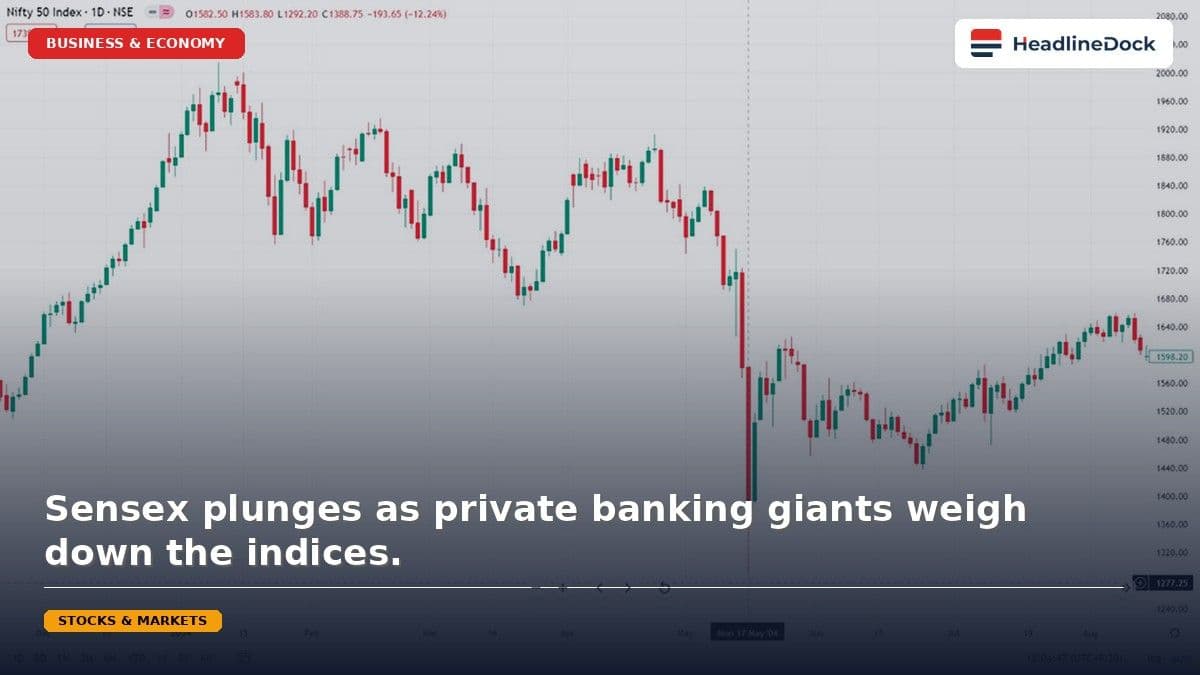
On July 20, 2026, Indian markets faced a major sell-off, with the BSE Sensex plunging 664 points and Nifty 50 dropping below 24,200. Heavy selling in private banking stocks like HDFC Bank and Axis Bank, alongside weak global cues and geopolitical tensions, drove the significant market downturn.
Read it in Short
QUICK OVERVIEW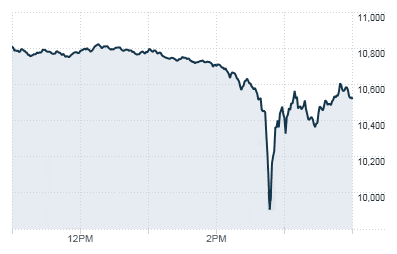
Sensex plummeted 664 points on July 20, 2026, due to heavy banking sell-offs.
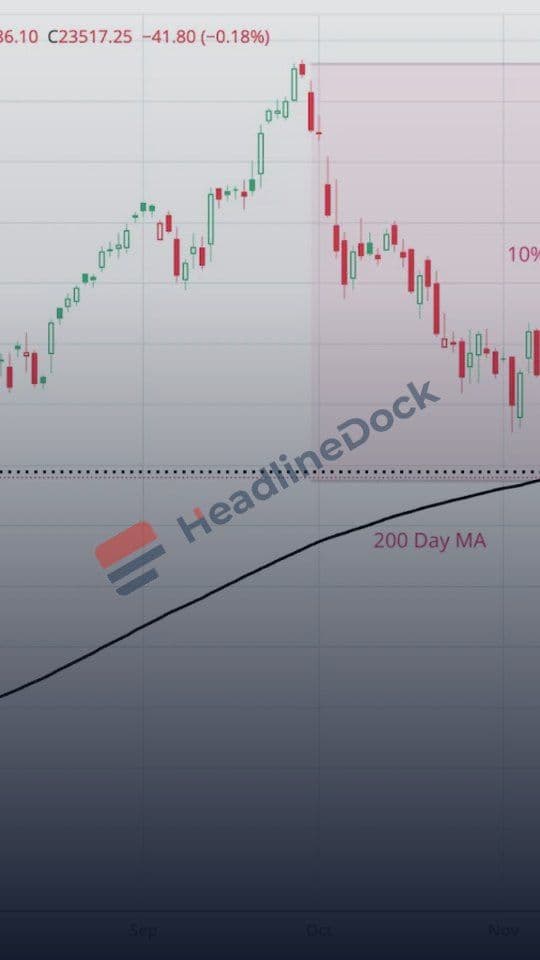
Nifty 50 index fell below the critical 24,200 support level during the session.
Major private banks, including HDFC, Kotak Mahindra, and Axis Bank, were primary drags.
Escalating geopolitical risks and weak global cues triggered negative investor market sentiment.
Market Bloodbath: Private Banking Giants Drag Sensex Down by 664 Points
The trading session on July 20, 2026, served as a stark reminder of the Indian stock market’s sensitivity to sector-specific concentration. In a move that shattered investor optimism, both the BSE Sensex and the Nifty 50 surrendered critical support levels, with the Sensex plunging 664 points. The Nifty 50, which had spent the earlier part of the month maintaining a position above 24,400, slipped decisively below the 24,200 threshold by the market close.
This downturn was not a broad-based decline across every sector, but rather a surgical strike on the financial services industry. The heavy selling pressure concentrated on major private banking entities—specifically HDFC Bank, Kotak Mahindra Bank, and Axis Bank—effectively acted as an anchor, dragging the major indices downward despite potential pockets of stability elsewhere.
The Anatomy of the Banking Sell-off
To understand why a few stocks can trigger such a massive point drop, one must look at the market capitalization weightage of the banking sector. HDFC Bank and other private lenders are among the most heavily weighted constituents of both the Sensex and the Nifty 50. When these "heavyweights" experience significant institutional sell-offs, the index math leaves little room for recovery.
Market experts point to a confluence of internal banking performance concerns and external pressures. The "Banking Drag" phenomenon observed today is the result of a rotation out of financial assets as investors grapple with the reality of current macroeconomic conditions. When these institutions underperform, the index—which functions as a composite of these giants—inevitably mirrors their volatility.
Market Performance Snapshot
| Metric | Early July (Peak) | July 20, 2026 (Close) |
|---|---|---|
| Nifty 50 | Above 24,400 | Below 24,200 |
| BSE Sensex | Higher baseline | -664 Point Drop |
| Primary Lead | Positive Growth | Banking Sector Drag |
Connecting the Dots: Global Cues and Geopolitical Risks
While the internal performance of the banking sector is the immediate culprit, it is not acting in a vacuum. Financial analysts have highlighted that weak global sentiment and rising geopolitical risks are casting a shadow over Indian equities. Global market cues—often driven by inflation data and interest rate expectations—directly influence the foreign institutional investor (FII) flows that drive our domestic market.
This market volatility is a sharp reversal from the performance seen in early July 2026. The rapid descent below 24,200 signifies that the "support" levels that traders rely on to gauge market health have been compromised, leading to a cascade of technical selling that often exacerbates intraday drops.
Strategic Guidance: Navigating Market Volatility
For the retail investor, days like July 20 often trigger the "panic-sell" instinct. However, reacting to sharp index movements without a clear understanding of the underlying data can often lead to portfolio erosion.
Common Investor Pitfalls
- Panic Selling: Liquidating positions during a temporary market correction often locks in losses.
- Averaging Down Without Research: Buying more shares of a falling stock simply because the price is "lower" is ineffective if the fundamental reason for the decline remains unaddressed.
- Ignoring VIX: High volatility is often reflected in the Volatility Index (VIX); failing to monitor this can leave investors blindsided.
How to Monitor Market Health
- FII/DII Data: Check the net buying or selling of Foreign and Domestic Institutional Investors at the end of each trading day on the official NSE or BSE portals.
- Sectoral Rotation: Observe if capital is moving out of banks and into other defensive sectors like FMCG or IT.
- Global Indices: Monitor major movements in global markets as these provide the "global cues" that influence our morning opening sentiment.
The market environment as of late July 2026 remains fluid. While the banking drag has forced the indices to retreat, investors are advised to focus on long-term fundamental strength. Always verify market data through reliable financial platforms to ensure your decisions are based on confirmed data.
Frequently Asked Questions
Why did the Sensex and Nifty fall on July 20, 2026?
The fall was primarily triggered by a sharp decline in private banking stocks (HDFC Bank, Kotak Mahindra, Axis Bank) combined with negative global market sentiment and geopolitical risks.
What was the Nifty 50 level after the sell-off?
Following the session on July 20, 2026, the Nifty 50 closed below the 24,200 threshold.
Which stocks were the top losers during the market crash?
HDFC Bank, Kotak Mahindra Bank, and Axis Bank were identified as the primary losers that significantly dragged down the indices.
Is this stock market decline part of a larger trend?
Market reports link the volatility to ongoing global macroeconomic conditions and domestic banking sector performance, which has shown fluctuating sentiment throughout July 2026.