Sensex Drops 577 Points: Why the Stock Market is Falling


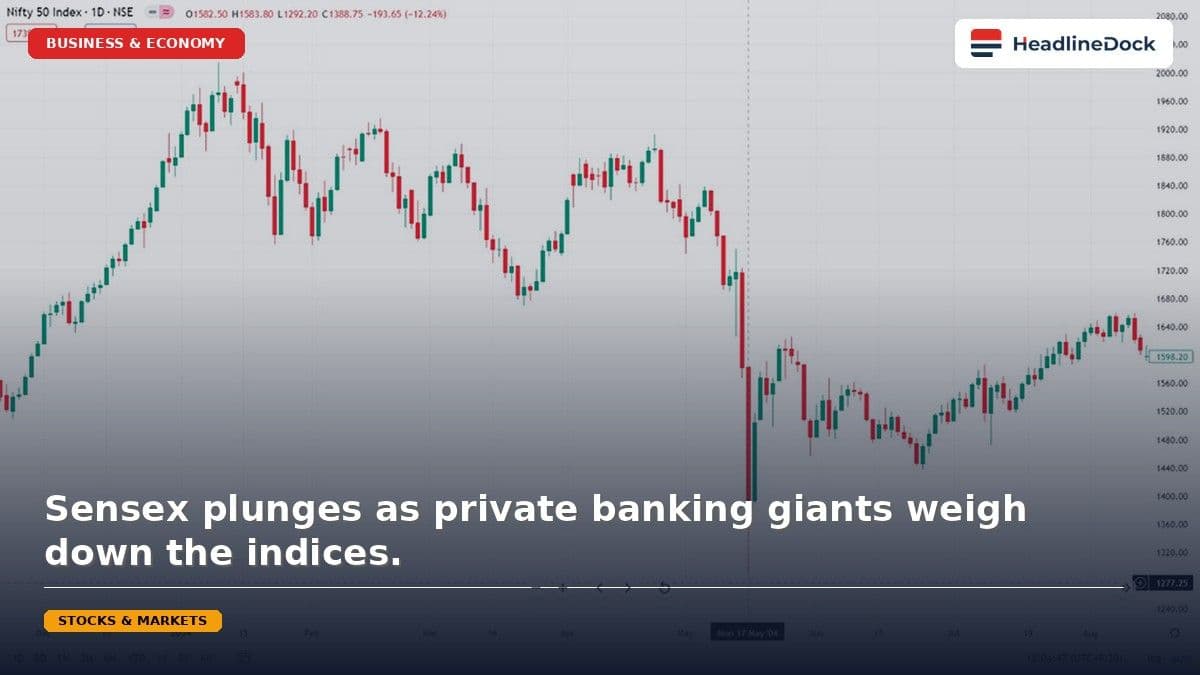
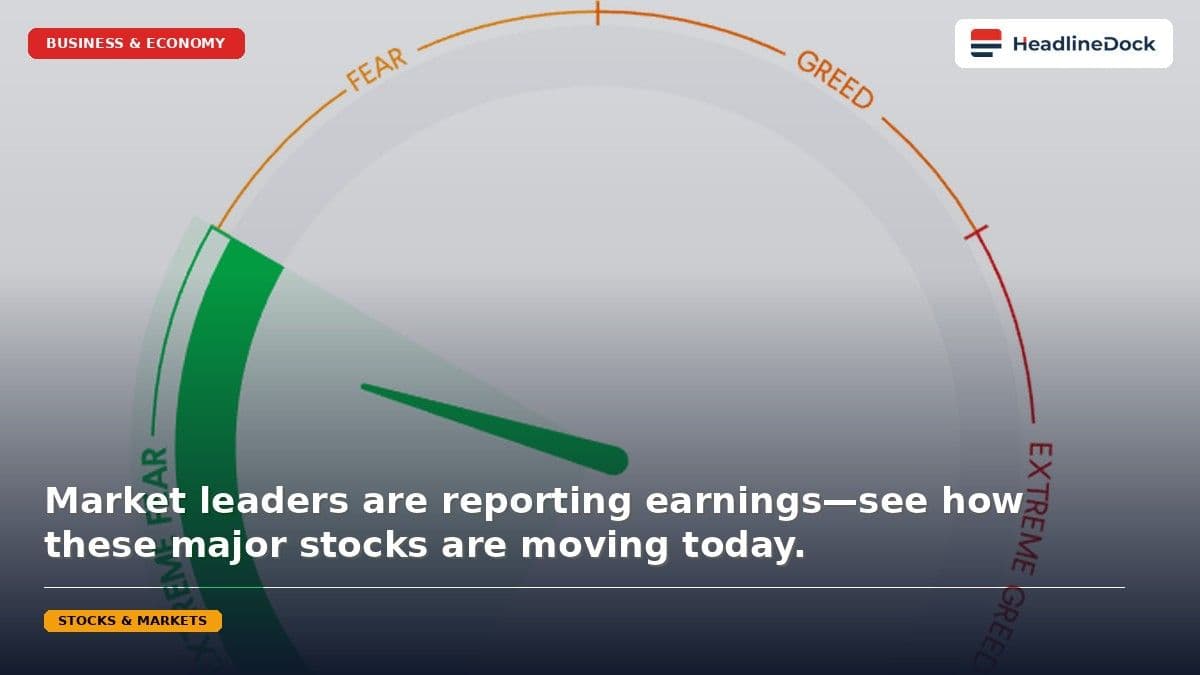
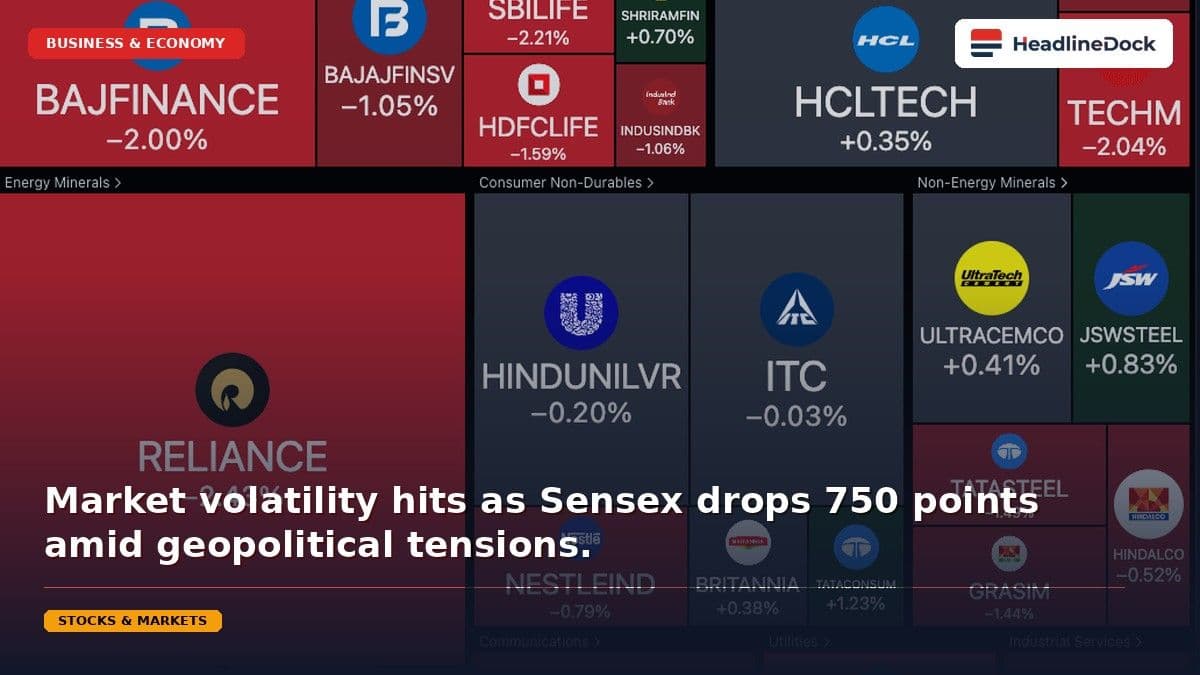
In July 2026, the BSE Sensex faced significant volatility, dropping 577 points on July 20. The decline was driven by disappointing June-quarter earnings from major private banks, alongside broader market pressures from rising crude oil prices and global geopolitical tensions, prompting experts to advise investors to remain cautious.
Read it in Short
QUICK OVERVIEW
BSE Sensex dropped 577 points on July 20, 2026, due to market volatility.
Private banking stocks like HDFC and Axis Bank declined after earnings misses.

Rising global crude oil prices are intensifying inflationary pressures in India.
Geopolitical tensions, particularly US-Iran relations, are impacting investor sentiment significantly.
Sensex Drops 577 Points: Why the Stock Market is Falling
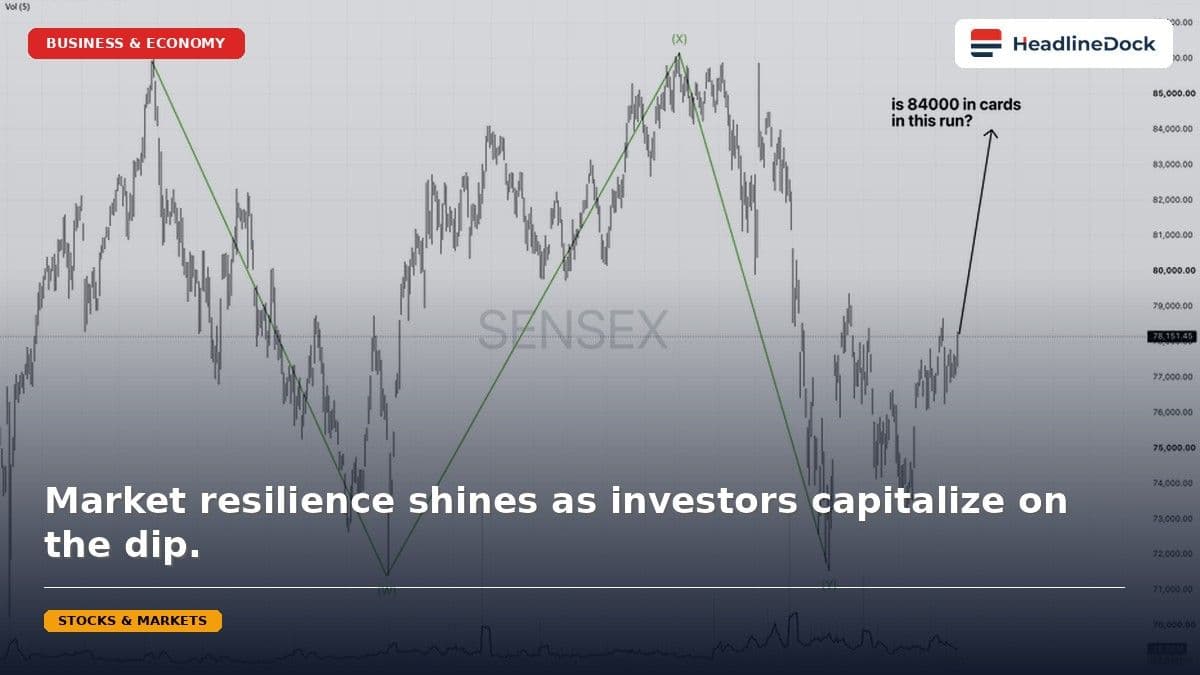
The Indian equity markets are currently weathering a period of volatility. As of July 20, 2026, the BSE Sensex recorded a significant intraday correction, dropping approximately 577 points to trade near the 77,573 level. This shift follows a month of uneven performance, serving as a reminder that domestic earnings results and unpredictable global headwinds can swiftly alter market trajectories.
The Anatomy of the July Sell-Off
The current market slide is driven by a convergence of three distinct pressures. The following factors have contributed to the "risk-off" environment currently observed on the BSE and NSE:
- Earnings Disappointment: The primary pressure stems from the banking sector. Major private lenders, including HDFC Bank and Axis Bank, reported June-quarter earnings that fell short of market expectations. Given their heavy weighting in the index, these results act as a anchor for the Sensex.
- Global Macro Instability: Indian markets are mirroring global fragility. Renewed geopolitical tensions between the US and Iran have kept international markets on edge, prompting institutional caution.
- Energy Price Hikes: Rising Brent crude oil prices are acting as a secondary drain on the economy. For an energy-importing nation like India, higher oil prices increase input costs for manufacturers and fuel inflationary pressures, squeezing corporate profit margins.
Market Volatility Overview
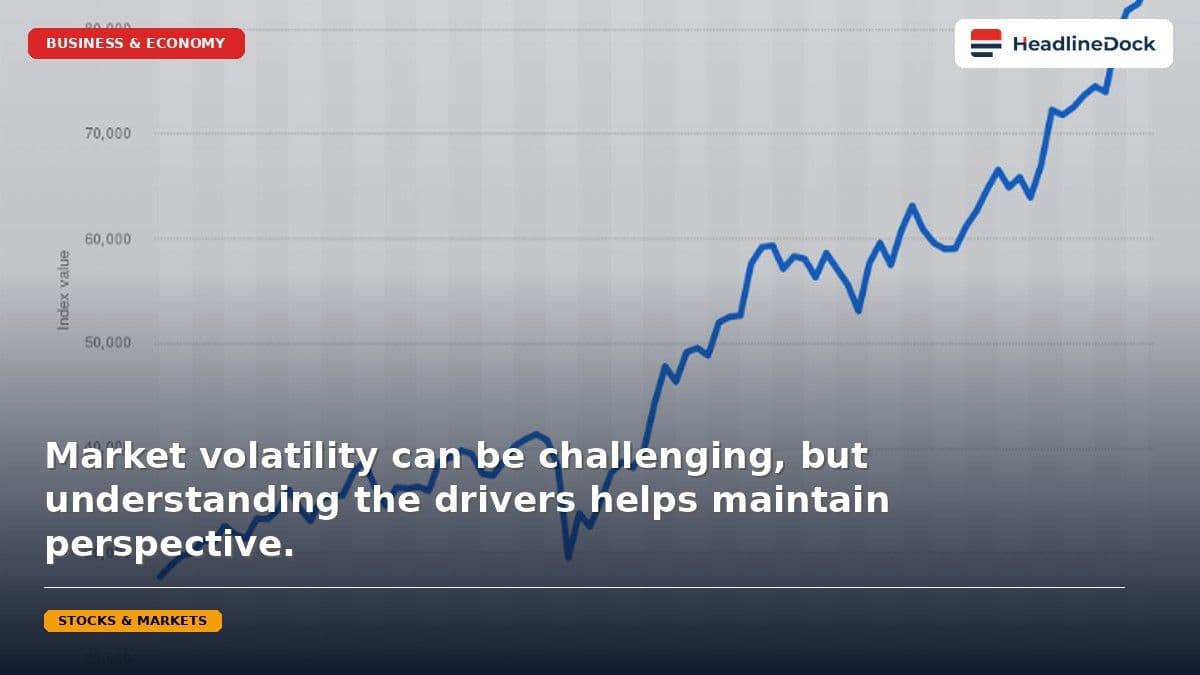
July 2026 has been defined by a sequence of corrections rather than a singular crash. While the July 20 session saw a 577-point dip, earlier sessions, such as July 8, saw even steeper declines of over 2% due to geopolitical uncertainty.
| Factor | Impact Level | Primary Consequence |
|---|---|---|
| Banking Earnings | High | Direct index pressure (HDFC, Axis) |
| Crude Oil Prices | Moderate/High | Input cost inflation |
| Geopolitical Risk | High | FII asset rotation |
Navigating Volatility: Investor Strategy
It is natural for investors to feel uncertainty during market swings. However, reacting to daily noise can be counterproductive. Consider the following approaches during this period:
1. Focus on Fundamentals
Differentiate between market noise and business fundamentals. A temporary dip in a bank’s stock price following a single quarter’s earnings report does not necessarily represent a long-term failure in the institution’s operations.
2. Utilize Staggered Investments (SIP)
Volatility is the primary mechanism for rupee-cost averaging. Rather than attempting to "time the bottom," continue with your Systematic Investment Plans (SIPs). Buying into a falling market allows investors to accumulate more units when prices are lower, balancing the average purchase cost over time.
3. Portfolio Diversification
If a portfolio is heavily skewed toward the banking or oil sectors, it becomes highly sensitive to the current news cycle. Review your exposure to ensure a healthy cross-section of industries. Use real-time data from the official BSE India website to monitor performance rather than relying on hearsay.
As the market digests the remaining corporate earnings reports, analysts suggest a "wait-and-watch" approach. Volatility is expected to remain a feature of the trading day until there is greater clarity on international diplomatic stability and domestic fiscal indicators.
Frequently Asked Questions
Why is the Sensex falling today?
The market is largely reacting to weak June-quarter earnings from major private banks and broader negative global sentiment regarding crude oil and geopolitical risks.
Which stocks are pulling the market down?
Private banking stocks (e.g., HDFC Bank, Axis Bank) have been under pressure following their recent quarterly result announcements.
Is it a good time to buy during this dip?
Market experts generally suggest a cautious approach, focusing on long-term fundamentals rather than short-term market noise during periods of high volatility.
How are global factors affecting Indian markets?
Rising crude oil prices and uncertainty in international diplomatic relations (specifically regarding the US and Middle East) tend to trigger FII sell-offs in emerging markets like India.
Where can I track real-time Sensex updates?
Reliable sources include the official BSE India website, major financial news portals, and real-time market dashboards on trading platforms.