Bill Gates Testifies: Jeffrey Epstein Considered Blackmail Over Extramarital Affairs
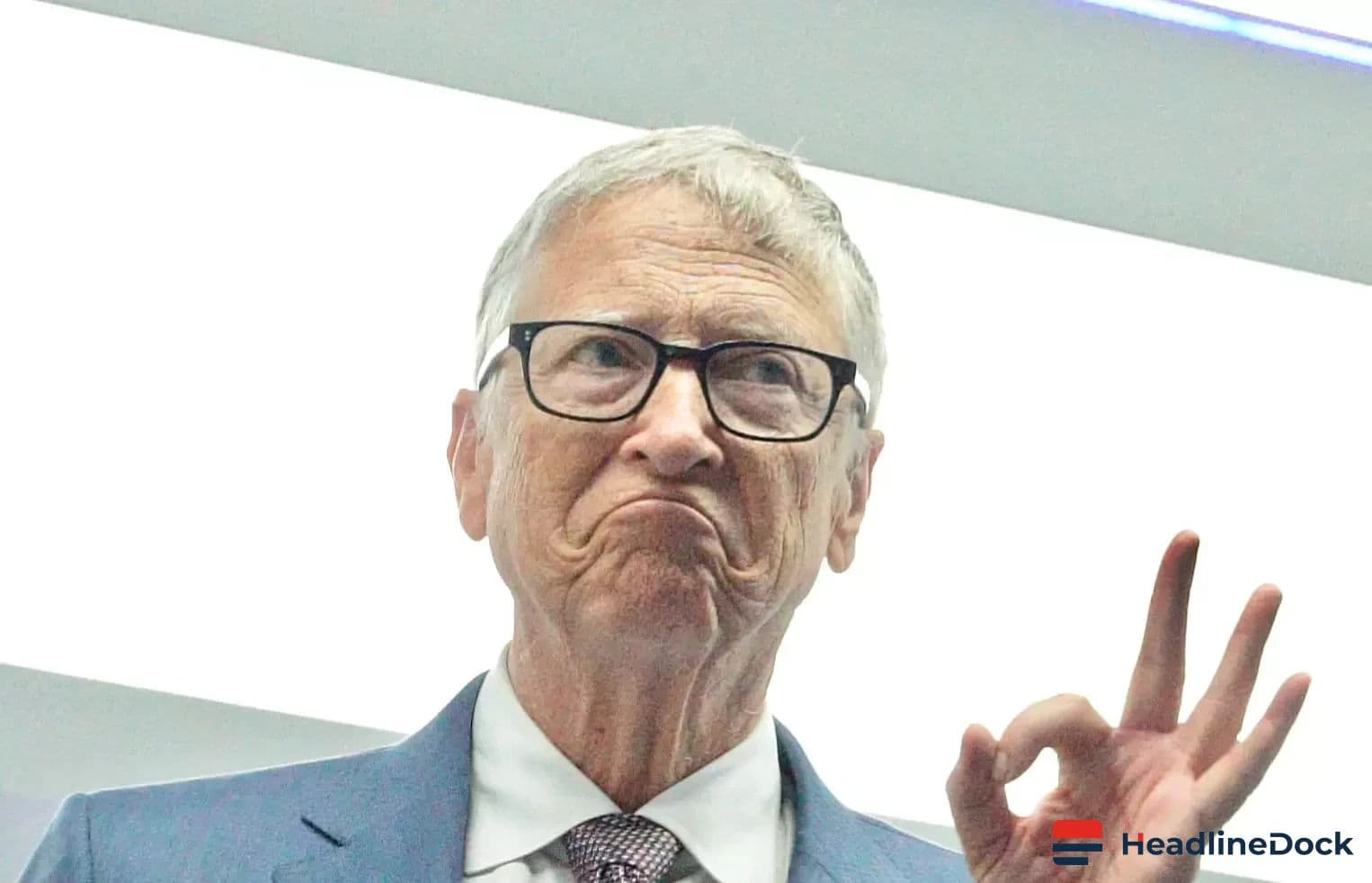
Microsoft founder Bill Gates testified before a US Congressional committee that late sex offender Jeffrey Epstein explored ways to blackmail him regarding extramarital affairs. Gates denied being blackmailed but acknowledged his past association with Epstein was a significant error in judgment.
Highlights
- •Bill Gates testified before the US House Oversight Committee regarding his former ties to Jeffrey Epstein.
- •Gates stated that while Epstein seemed to brainstorm ways to blackmail him, no such messages were ever sent.
- •The connection between Gates and Epstein began in 2011, following Epstein's initial guilty plea for sex crimes.
- •Gates admitted his association with Epstein was a significant mistake but denied any involvement in criminal behavior.
Bill Gates, the co-founder of Microsoft, recently provided testimony before the US House Oversight Committee regarding his past associations with the late convicted sex offender Jeffrey Epstein. In a closed-door session held on June 10, the tech magnate addressed allegations concerning whether Jeffrey Epstein attempted to use knowledge of his personal affairs as a method of coercion.
During the testimony, Bill Gates acknowledged that while he was never formally blackmailed, it appeared that Jeffrey Epstein had contemplated using sensitive information about his extramarital affairs to maintain influence over him. Gates explained that he reviewed documents and emails released by the US Department of Justice in January, which suggested that Epstein had drafted messages that seemed intended to pressure him. However, the tech executive clarified that none of these messages were ever actually sent to him, and he maintained that Epstein's strategies were merely conceptual or rehearsal-based brainstorming on the financier's part.
Testimony on Epstein Relationship and Alleged Blackmail
Addressing the timeline of their interactions, Bill Gates, 70, stated that his connection with Jeffrey Epstein commenced in 2011, approximately three years after the financier had already pleaded guilty to prostitution charges involving minors. Gates admitted that he was aware of Epstein's legal issues at the time but was swayed by the prospect of Epstein raising significant capital for global health initiatives—a cause to which Gates has been deeply committed for decades. The tech leader acknowledged that, in hindsight, his decision to associate with such a figure was a substantial error in judgment, even if he did not fully investigate the nature of the financier's previous convictions at the time.
Throughout the questioning, Bill Gates consistently maintained that he had no knowledge of Epstein's criminal activities and categorically denied ever having been a victim or perpetrator of the specific misconduct Epstein was known for. He also addressed previous public admissions regarding extramarital affairs, specifically with two Russian women, noting that these personal details were the leverage Epstein allegedly considered using. The testimony underscores the ongoing scrutiny surrounding the web of high-profile connections maintained by Jeffrey Epstein before his death in prison in 2019. While the inclusion of a person's name in the broader Epstein dossier does not definitively prove misconduct, the details released by the US House Oversight Committee provide further insight into the methods Epstein employed to interact with influential global figures, often under the guise of philanthropy or high-level networking.