Kakinada Residents Demand Digital Voter Enrollment System for Better Efficiency
In Kakinada, residents are advocating for a fully digital voter enrollment process during the Special Intensive Revision (SIR) to replace cumbersome manual paperwork, suggesting smartphone-based data collection to improve accessibility and accuracy for all voters.
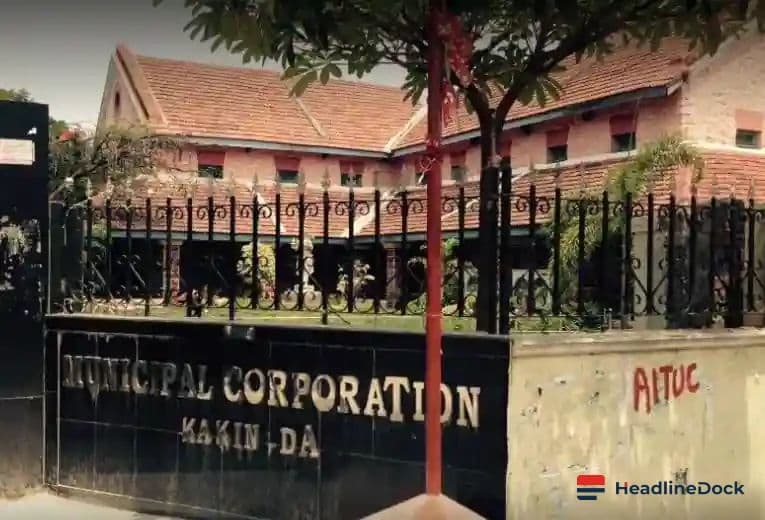
Highlights
- •Residents in Kakinada are pushing for a fully digital voter enrollment system to improve efficiency.
- •Current manual processes involving physical forms and photos create significant burdens for residents in remote areas.
- •Suggestions include using smartphones to capture identity documents, similar to mobile SIM verification processes.
- •Advocates emphasize that voter list purification should target inaccuracies without excluding legitimate voters.
As the Special Intensive Revision (SIR) process moves forward in Kakinada, there is a growing call from local residents to modernize voter registration. Many are advocating for the implementation of a fully digital enrollment system, alongside an increased role for booth level officers (BLOs) to streamline data collection efforts within villages.
Currently, the voter registration process relies on a hybrid approach, combining online and manual methods. Under the manual system, BLOs are tasked with distributing enumeration forms, which applicants must then return alongside physical photographs and various supporting documents. This traditional workflow has faced criticism due to numerous practical challenges encountered by the public during the Special Intensive Revision (SIR).
Challenges in Voter Enrollment
Residents frequently encounter discrepancies between their current information and older records, such as those found on Aadhaar cards or historical voter lists. These inconsistencies often necessitate the submission of additional proof, creating significant hurdles for applicants. In remote areas, the lack of immediate access to photocopying services and photo studios further compounds the difficulty for agricultural labourers, farmers, and illiterate residents.
Offering a potential solution, A.P.J. Vinu, a psychologist and digital influencer, proposed that BLOs could facilitate the collection of photographs and essential identity documents electronically via smartphones. He highlighted that mobile service providers already utilize digital verification for SIM card activation, bypassing the need for physical paperwork. He suggested the Election Commission could adopt a similar framework, granting officials the authority to capture photos and collect identity proof through digital means during the Special Intensive Revision (SIR).
Focusing on Accuracy and Accessibility
Dusarlapudi Ramana Raju, a former Kakinada municipal corporation councillor and convener of Poura Sankshema Sangham, emphasized that officials must address these public concerns through structured awareness programs at the village and ward secretariat levels. While he acknowledged that linking Aadhaar details can strengthen the integrity of the voter list, he warned against potential pitfalls.
Ramana Raju underscored that the primary objective of voter list purification should be to identify bogus, duplicate, or non-resident entries. He cautioned that the process must not be perceived as a test of citizenship, and stressed the absolute necessity for safeguards to ensure that no genuine voter is unfairly excluded from the electoral rolls during this revision cycle.