The Trump Arch: A Monumental Project Sparks Controversy in Washington D.C.
The proposed 250-foot Trump Arch in Washington, D.C., intended for the 250th anniversary of U.S. independence, has become a lightning rod for debate. Critics question its scale, funding, and symbolic purpose, viewing it as either a patriotic landmark or a manifestation of personal political legacy.
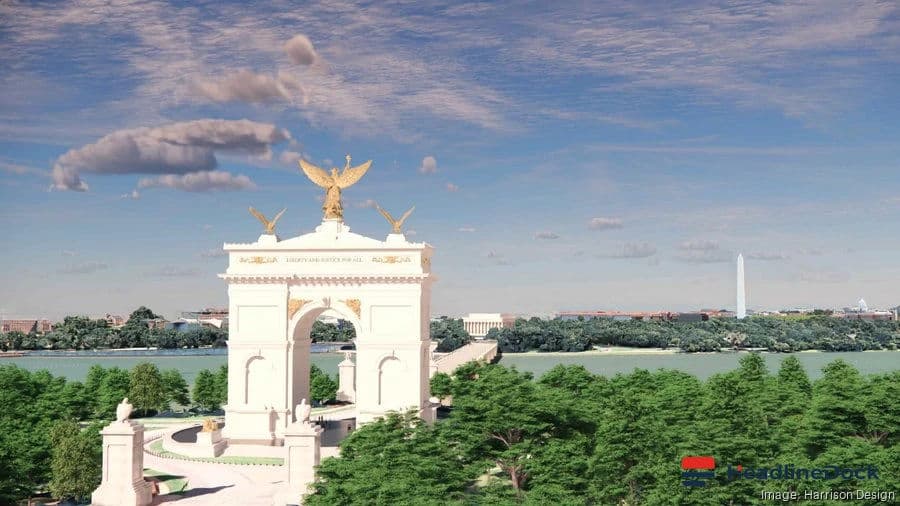
Highlights
- •The Trump Arch is a proposed 250-foot monument intended to celebrate the 250th anniversary of U.S. independence.
- •The project is located at Memorial Circle in Washington, D.C., with an expected completion date between 2028 and 2029.
- •Critics raise concerns regarding the monument's massive scale, its potential impact on Washington's visual landscape, and the lack of funding transparency.
- •The arch is subject to intense debate over whether it serves as a national symbol or an attempt to cement the legacy of Trumpism.
The proposed Trump Arch has sparked significant national debate as it aims to serve as a grand monument for the 250th anniversary of the United States. Historically, such structures like the Trump Arch have been utilized by leaders, from Roman emperors to Napoleon Bonaparte, to solidify their legacy and project power through monumental architecture.
Architectural Ambition and Symbolic Controversy
The project, unveiled by President Donald Trump, is slated to be erected in Washington, D.C., specifically at Memorial Circle on Columbia Island. Standing at a projected height of 250 feet, the design intentionally links each foot to a year of American independence since 1776. This massive construction is expected to be finished between 2028 and 2029, featuring a design reminiscent of classical Roman arches adorned with gold elements and patriotic figures.
Critics and various experts, including historians and preservationists, have raised concerns regarding the appropriateness and necessity of the Trump Arch. Opponents argue that the monument’s scale could disrupt the established aesthetic and historical harmony of Washington’s iconic landscape, situated near the Lincoln Memorial and Arlington National Cemetery. Furthermore, the lack of a transparent, finalized budget—given the reliance on a mix of public and private funds—has added fuel to the existing criticism surrounding the project.
The Political Implications of Monumental Design
Beyond the logistical and financial critiques, the project has triggered a profound discussion on its symbolic intent. Many observers view the structure not merely as a celebration of the nation’s 250-year milestone, but as a deliberate effort to etch Trumpism into the permanent historical geography of the country. This effort draws comparisons to the "Augustan syndrome," where leaders aim to validate their governance by physically transforming the capital city.
While supporters champion the monument as a beacon of patriotism and national unity, detractors label it a self-serving endeavor. The core of the controversy rests on whether the Trump Arch will ultimately be perceived as a genuine tribute to the Founding Fathers or as a manifestation of personal political legacy-building. As construction plans progress, the monument remains a focal point in the broader conversation about how modern leaders influence national memory through stone and design. The legacy of this project will likely depend on whether future generations view it as an enduring symbol of American history or a contentious relic of a specific era in political leadership.