World Braces for El Niño: A Climate Crisis on the Horizon
The World Meteorological Organization warns of an 80% chance of El Niño developing this summer, marking a significant milestone in global weather patterns. Impacts such as heatwaves and heavy rainfall are likely to exacerbate existing climate challenges.
Highlights
- •WMO forecasts an 80% chance of El Niño between June and August
- •Unusually warm ocean waters fuel the development of El Niño
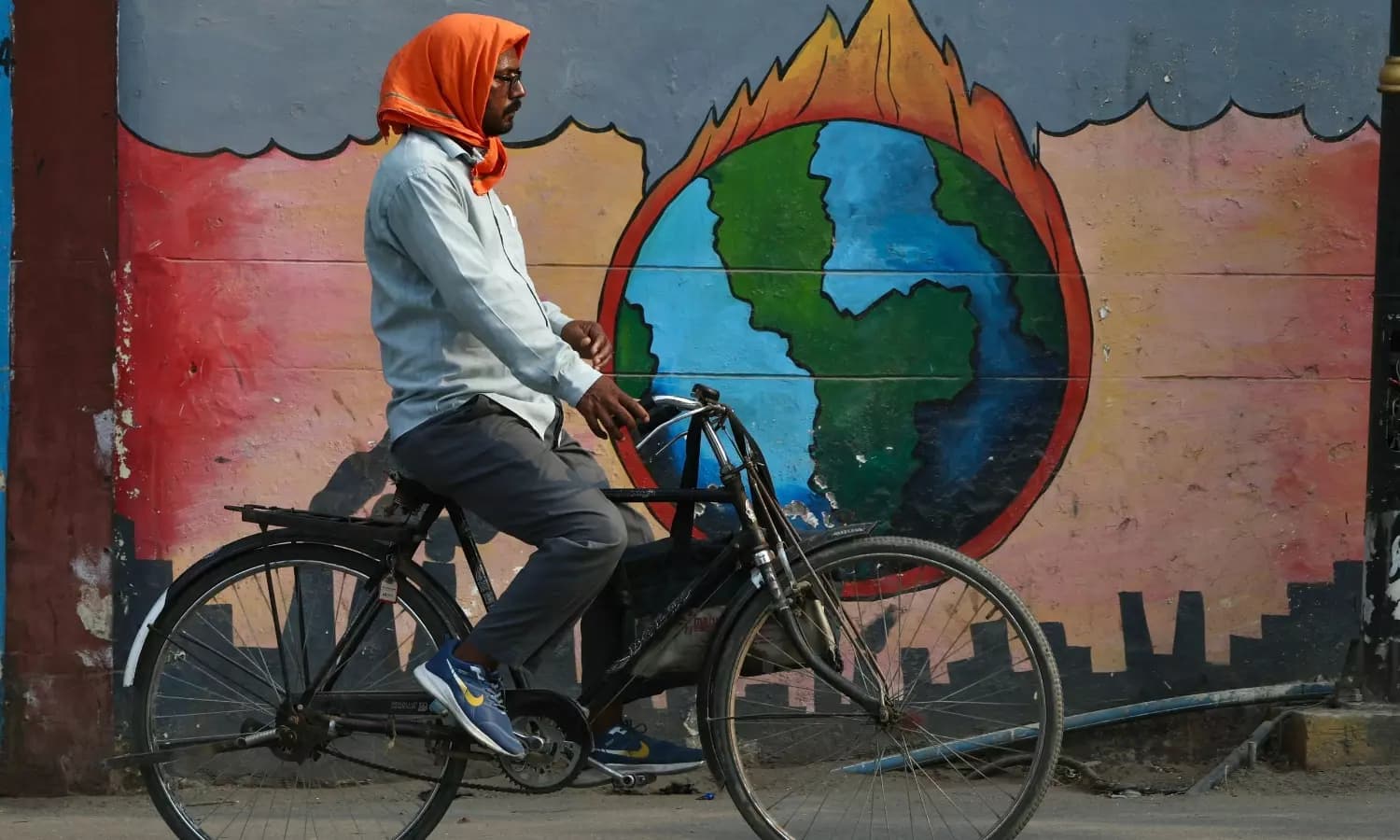
- •Above-normal temperatures expected in most regions during summer
- •Early warning systems important for agriculture, water management, energy and health sectors
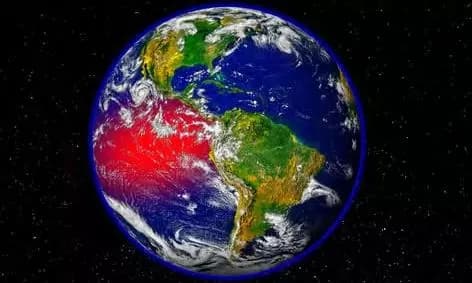
The World Meteorological Organization (WMO) is warning that there's an 80% chance of El Niño developing between June and August, signaling potential unprecedented weather extremes across the globe. According to the WMO, this natural climate phenomenon will bring significant changes in temperature and rainfall patterns. Unusually warm ocean waters in the tropical Pacific are already contributing to its development.
The Arrival of El Niño: Expected Impacts Globalwide
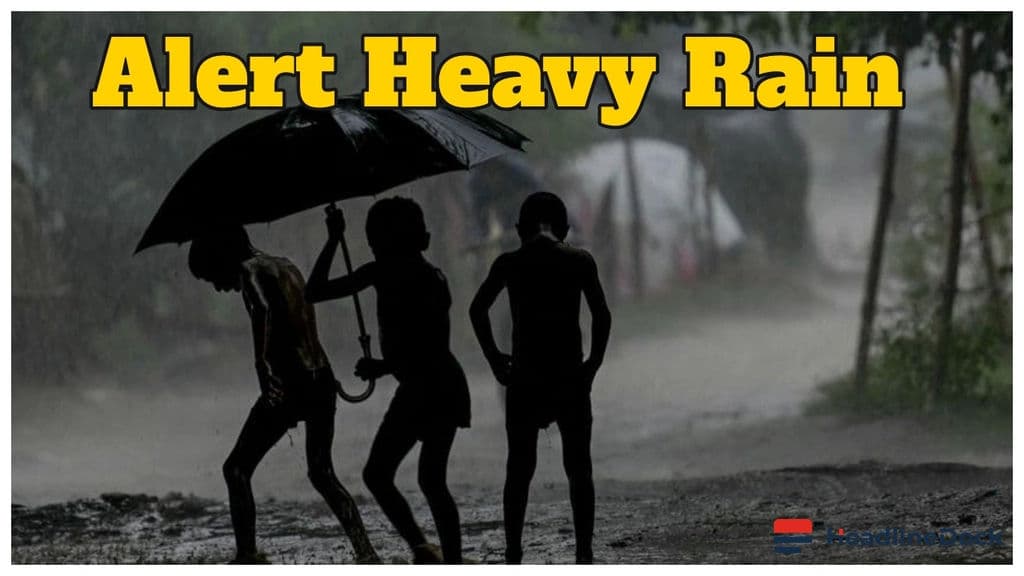
Antonio Guterres, head of the United Nations, has likened El Niño's arrival to a "climate warning." He urged nations to prepare for intensified weather events such as heatwaves and heavy rainfall. The WMO reports that even a moderate El Niño event significantly increases the risk of extreme weather conditions, which could exacerbate existing climate challenges.
The Last El Niño saw 2023 become the second-hottest year on record, adding urgency to international climate discussions. The WMO
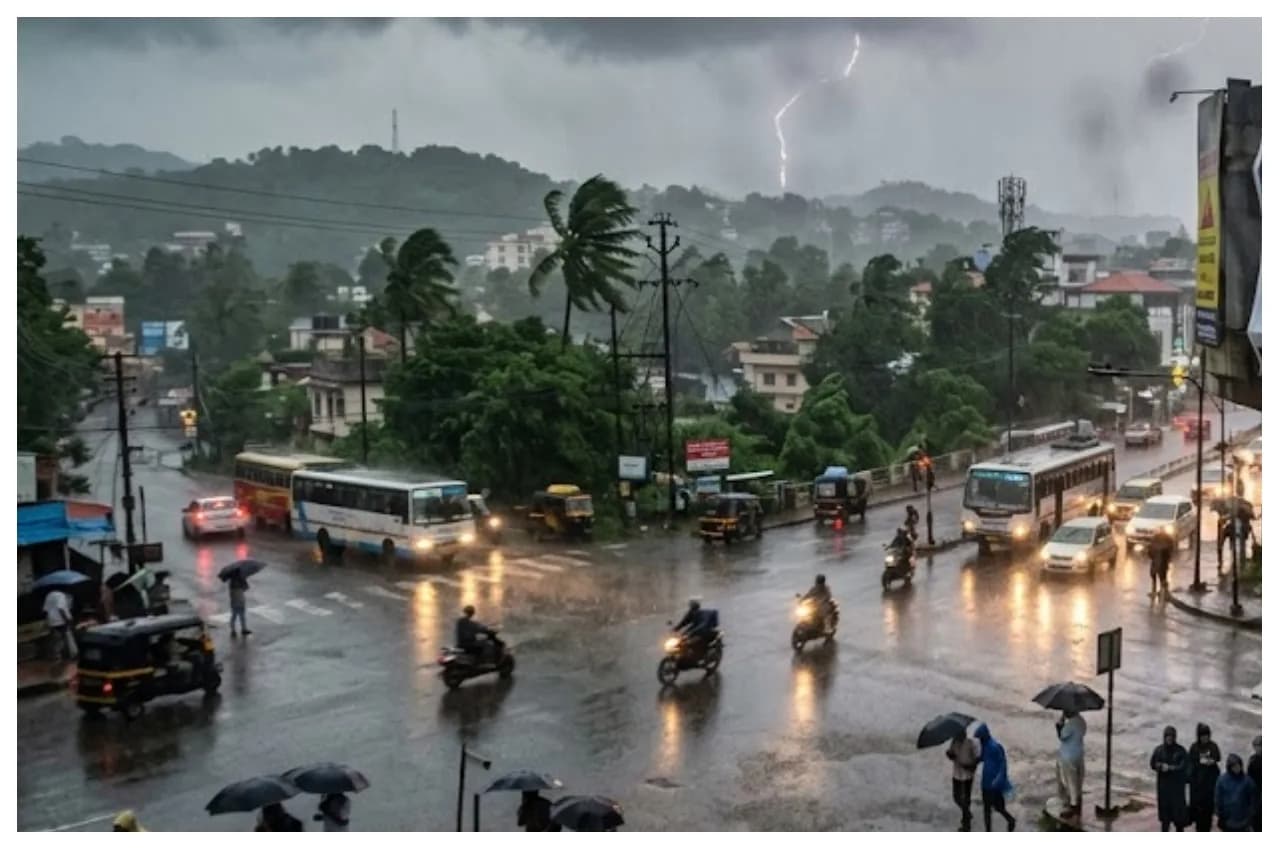
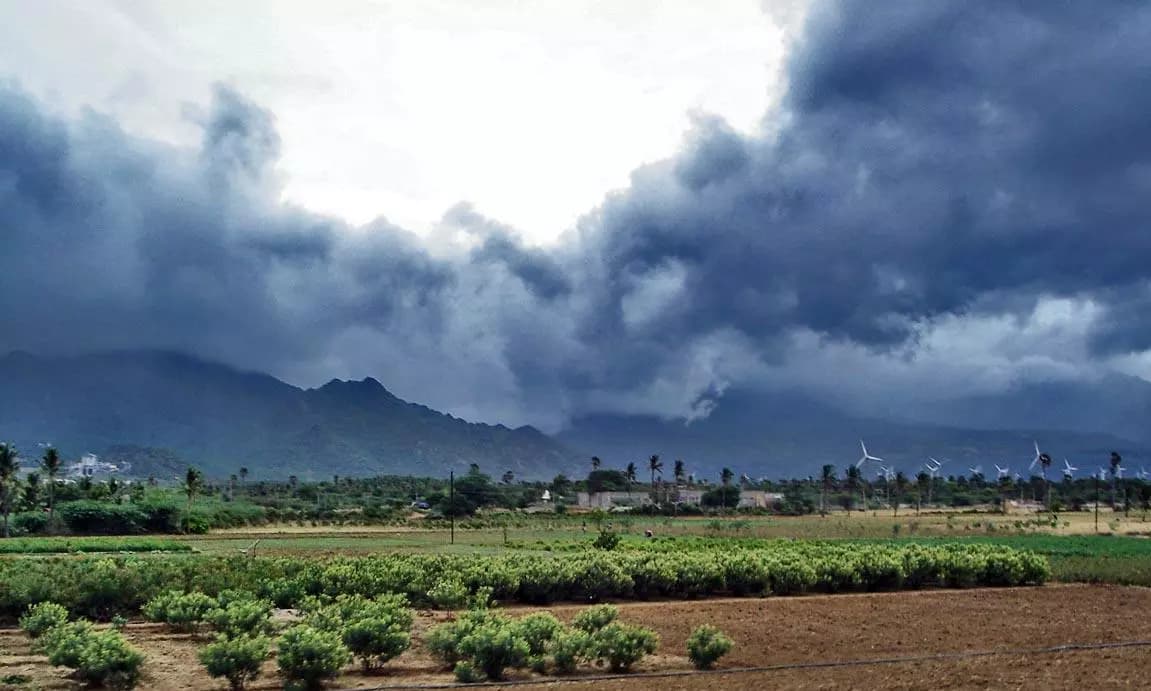
For the months of June to August, forecasts predict above-normal temperatures in most regions, which could lead to drought conditions where rainfall decreases. Regional experts are particularly concerned about below-average monsoon seasons affecting southern Asia and below-normal rainfall during the rainy season in central America. Warm waters associated with El Niño can also fuel hurricane formation in the Pacific Ocean, posing additional risks.
Global readiness will be crucial as early warning systems are critical for sectors such as agriculture, water management, energy, and health. The WMO hopes that its advance warning will guide better preparedness among climate-sensitive industries.