Earth Set to Shatter Records in Next Five Years: UN Warning
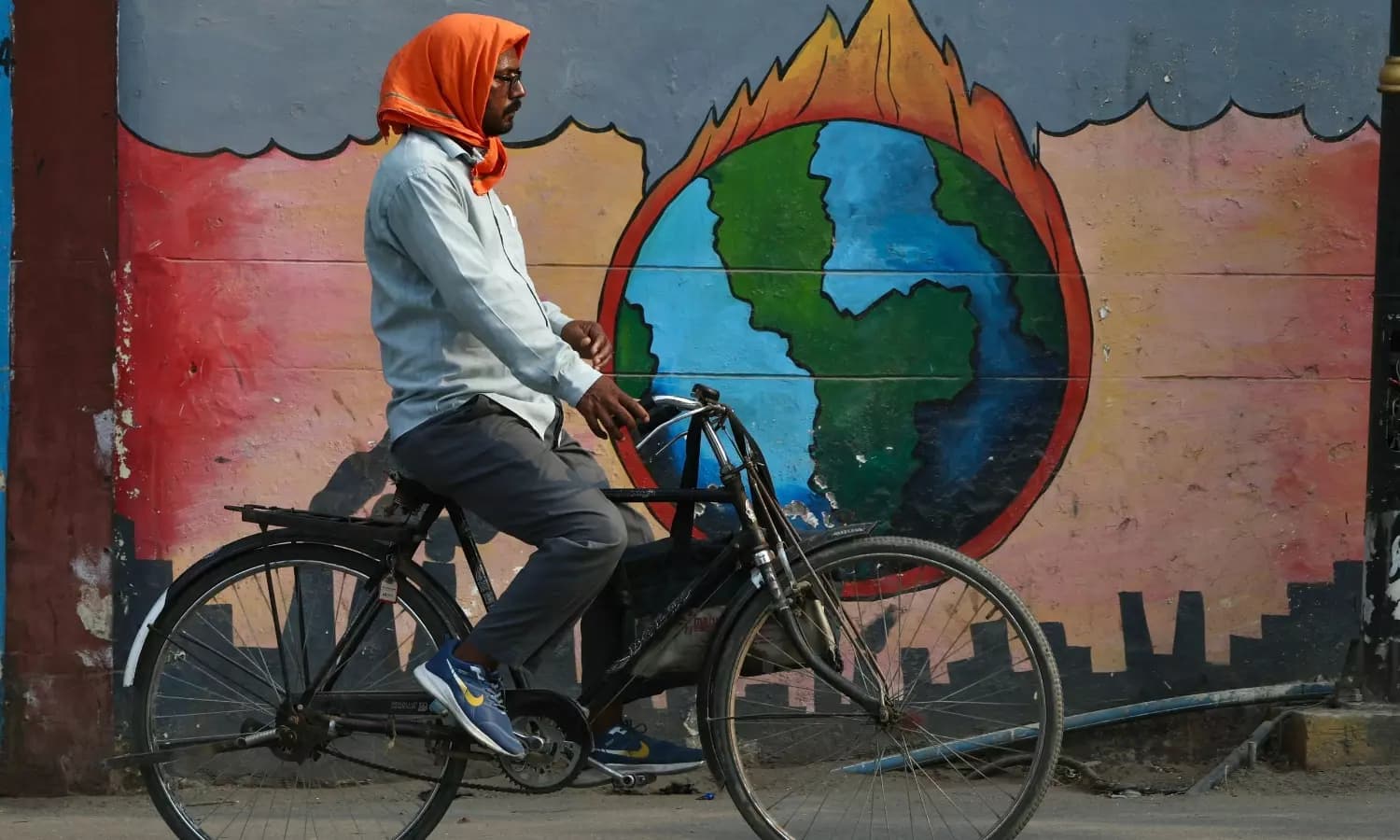
The United Nations warns that Earth's temperature could shatter records in the next five years with a 75% chance, threatening more extreme weather events like droughts, heatwaves, and wildfires.
Highlights
- •High Temperature Projections
- •Accelerating Arctic Warming
- •Risk for Amazon Rainforest
- •Globally Impactful Events
The impending global temperature surge has grabbed the attention of climate scientists and policymakers alike. According to new United Nations projections, between 2026 and 2030, there's a 75% chance that the Earth will witness higher-than-ever temperatures, shattering its hottest-year record.
In an interview with major news outlets, climate scientist Melissa Seabrook from the U.K. Meteorological Office emphasized the severe impact of even small increments in global warming. "Every 0.1 degree has more and more severe effects," she noted, citing the unprecedented heat in Europe this May.
The Arctic Melting Faster Than Expected
The report
According to Seabrook, "This warming is creating a vicious cycle: as the temperature rises, sea ice melts, which in turn amplifies the warming effects."
The Arctic has seen winters that are 2.1 degrees Fahrenheit (1.2 degrees Celsius) warmer than historic averages over the last five years. This trend will continue, with WMO projecting an increase of around 5.1 degrees Fahrenheit (2.8 degrees Celsius) in next year's colder months.
The implications extend beyond just ice caps; shrinking Arctic sea ice could lead to more extreme weather events and threaten global climate systems.
Amazon Drought Risks
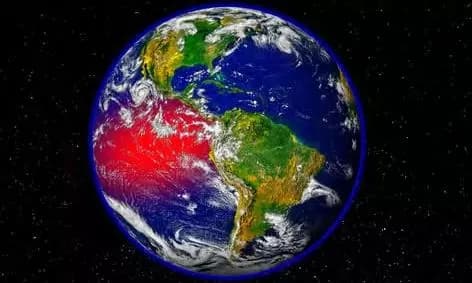
Beyond the frozen north, southern regions like the Amazon are under threat. Seabrook warns of even hotter and drier conditions in this critical tropical rainforest, which could spark a dangerous cycle: losing its ability to store carbon dioxide may turn the Amazon from a climate ally into an adversary.
To add to these woes, Africa's Sahel region is expected to see flooding due to heavier than usual rainfall. This underscores the global nature of our warming crisis and how interconnected these ecosystems are.