Vance Skips Switzerland Talks as Lebanon Clashes Test Iran-US Peace Deal
The Iran-US peace deal faces significant setbacks as ongoing clashes in Lebanon cast doubt on upcoming diplomatic talks in Switzerland. US Vice President JD Vance has cancelled his trip, while both nations navigate the complex implementation of the ceasefire agreement amid regional instability.
Highlights
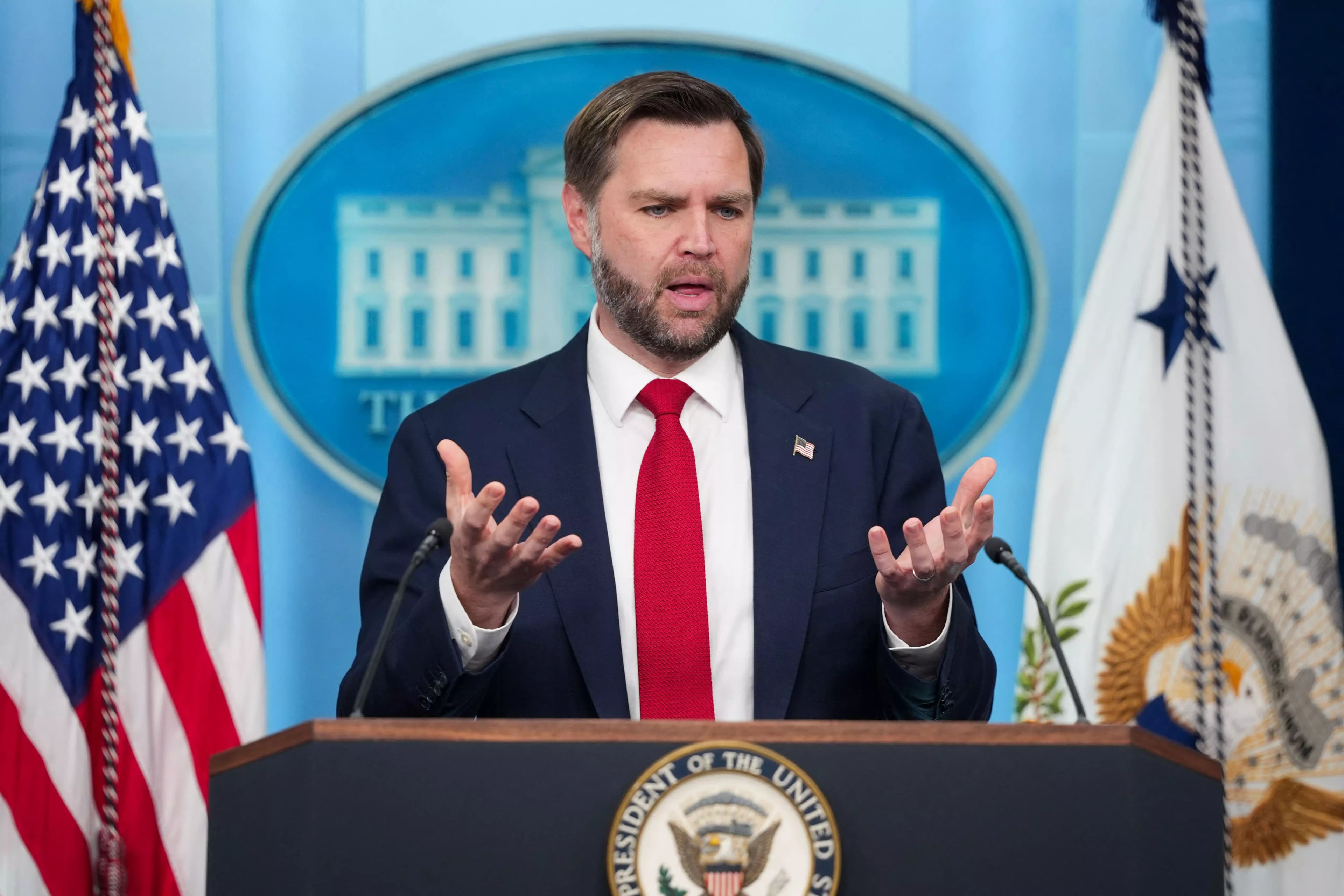
- •US Vice President JD Vance has cancelled his trip to Switzerland amid testing conditions for the Iran-US peace deal.
- •Renewed clashes between Israeli forces and Hezbollah in Lebanon are complicating the implementation of the ceasefire agreement.
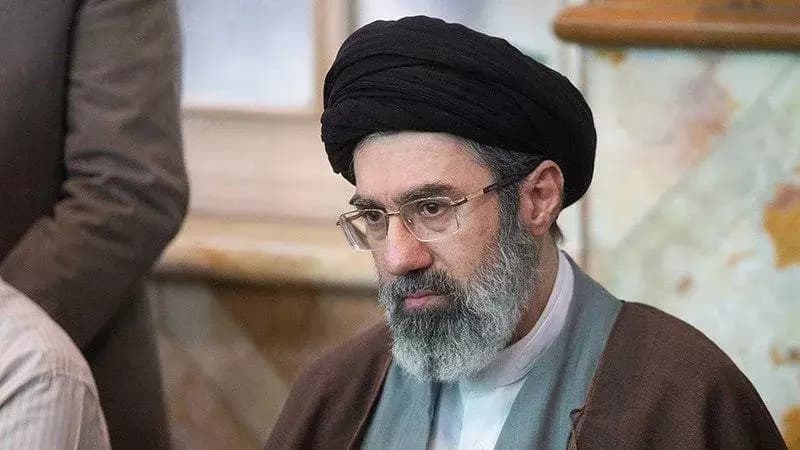
- •Iran's Supreme Leader Ayatollah Mojtaba Khamenei has approved the deal while maintaining a cautious stance regarding future negotiations.
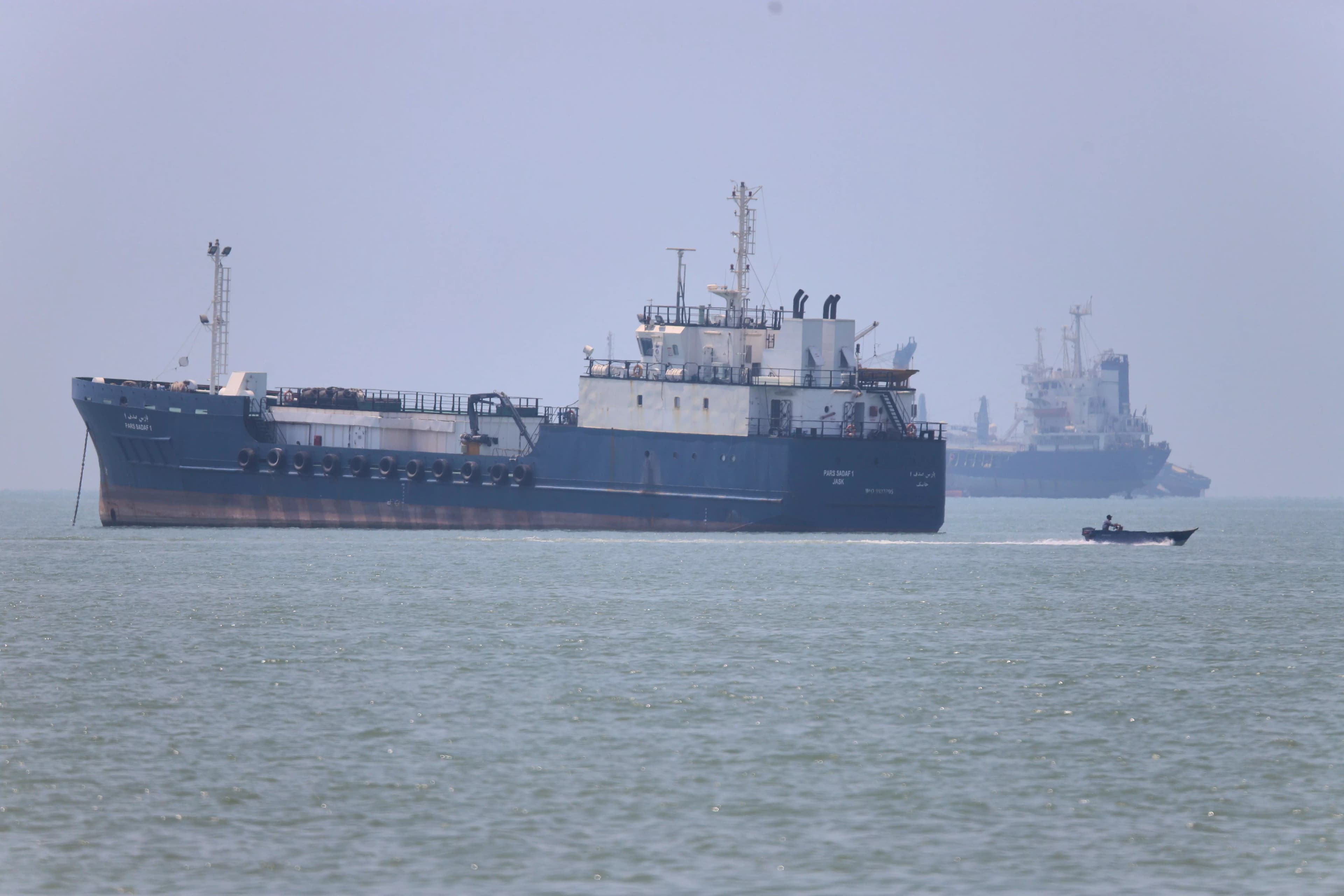
- •The US has lifted its naval blockade on Iranian ports, allowing energy shipments to resume through the Strait of Hormuz.
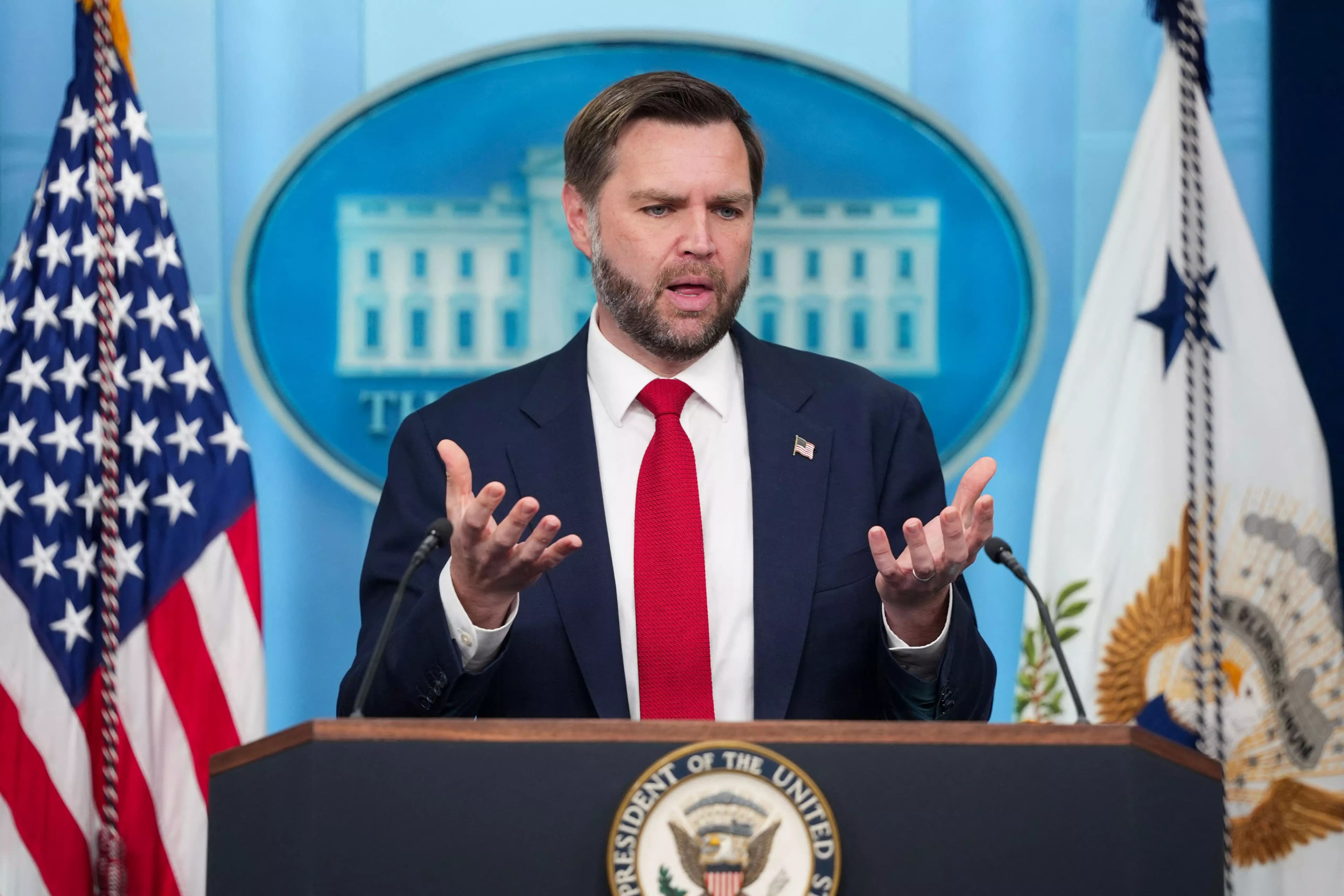
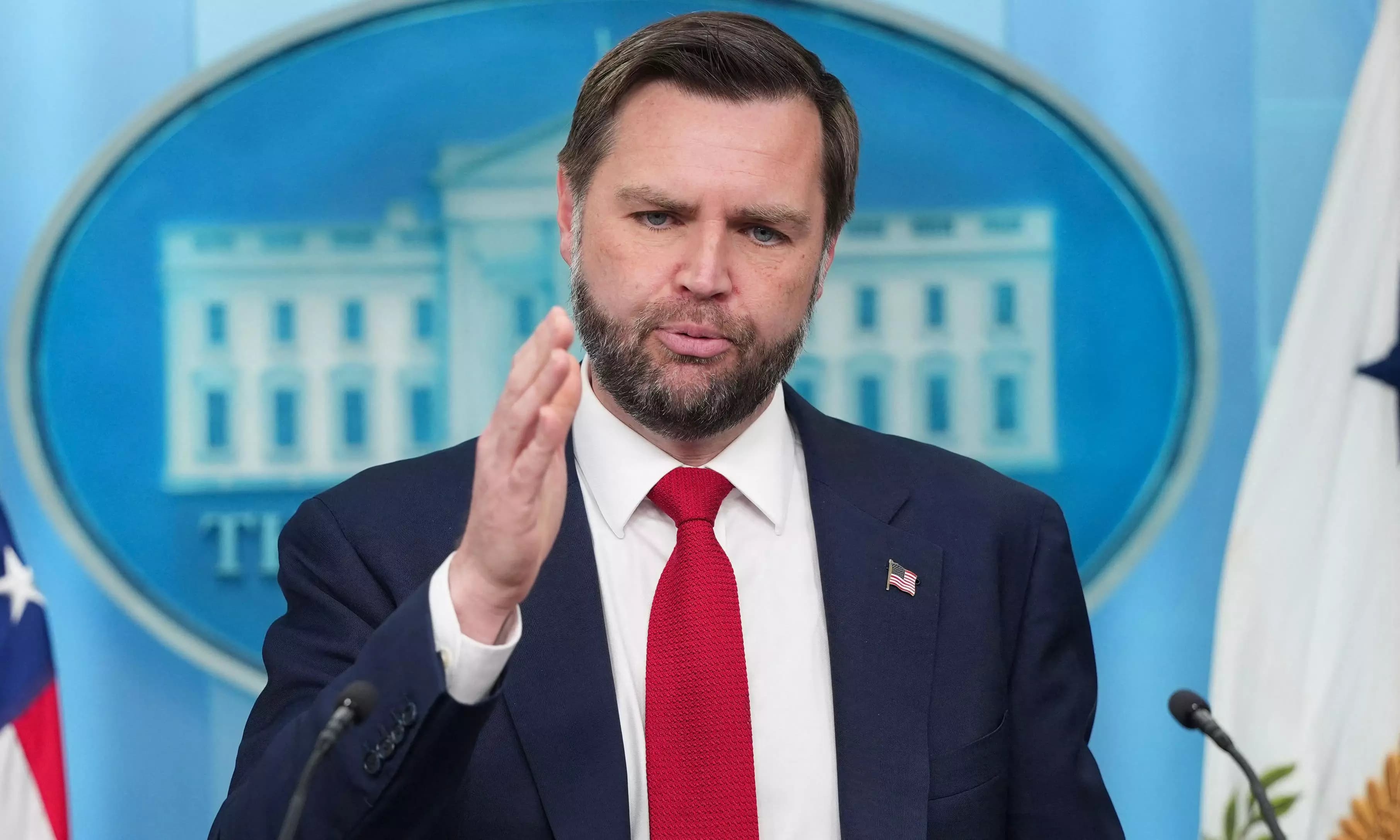
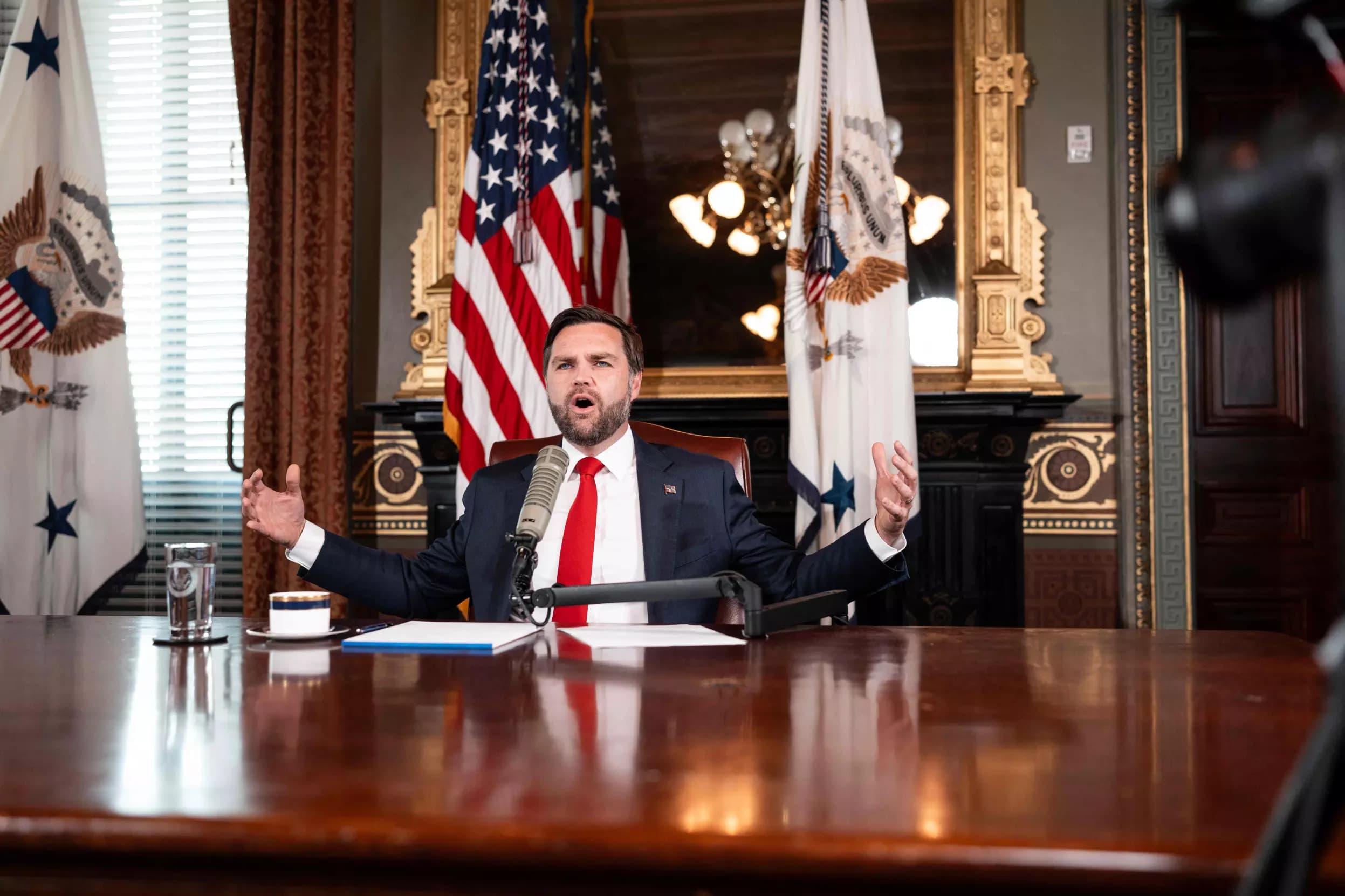
The geopolitical landscape remains volatile as US Vice President JD Vance has reportedly cancelled his scheduled trip to Switzerland. This diplomatic pivot comes as ongoing clashes in Lebanon threaten to undermine the recently brokered Iran-US peace deal, casting doubt on the immediate future of the agreement.
The accord, intended to stabilize the region and reopen the vital Strait of Hormuz, was supposed to trigger a 60-day period of technical negotiations. However, renewed hostilities between Israeli forces and Hezbollah militants have stalled momentum. A formal signing ceremony between the United States and Iran, previously planned for Friday in Switzerland, now appears increasingly unlikely to proceed as scheduled.
Geopolitical Tensions and the Fragile Peace Deal
A White House spokesperson confirmed late Thursday that JD Vance would not be departing as planned, citing the unpredictable logistics of these high-stakes negotiations. Meanwhile, Iranian state-affiliated media has indicated that no travel plans for an Iranian delegation to Switzerland have been confirmed. The agreement, signed separately by President Donald Trump and President Masoud Pezeshkian, faces skepticism from Iran's Supreme Leader Ayatollah Mojtaba Khamenei.
Despite his reservations, Khamenei confirmed his approval of the Iran-US peace deal, stating it was necessary to protect national interests following the death of his father, the former supreme leader, who was killed in an airstrike on February 28. While Tehran is preparing for future direct negotiations, Mohammad Bagher Ghalibaf, the chief negotiator for Iran, has warned that the nation will offer a decisive response if the agreement terms are breached.
Impact on Regional Stability and Energy
On the economic front, the United States military has lifted its naval blockade of Iranian ports. While energy shipments through the Strait of Hormuz remain limited, maritime data confirms that several tankers, including those from Saudi Arabia and a French vessel, have successfully navigated the corridor. Tehran has established a new government body to oversee the waterway, confirming that no passage fees will be collected for the initial 60-day window.
Despite these steps toward normalcy, the situation in Lebanon remains dire. Hezbollah claims to have engaged Israeli forces in the south, while reports indicate civilian casualties from drone strikes. This fragile Iran-US peace deal is being tested by reality on the ground. Domestic critics in the United States, including Senator Bill Cassidy, have characterized the move as a major foreign policy error, yet President Trump maintains that avoiding further conflict is essential to preventing a global economic depression.