US Eases Strait of Hormuz Blockade Allowing Ships to Iranian Ports
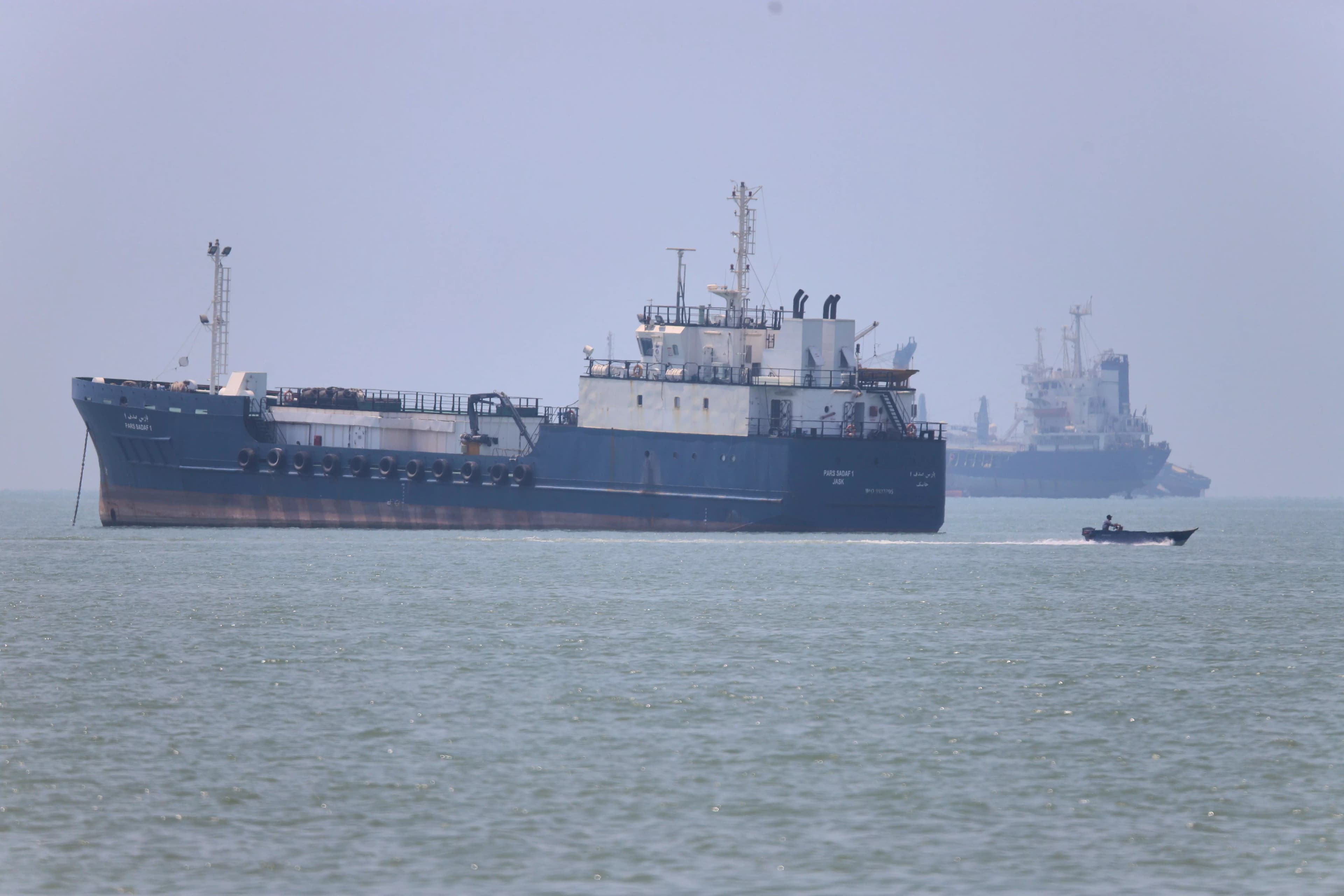
The U.S. has lifted its military blockade on the Strait of Hormuz, allowing over a dozen commercial ships to reach Iranian ports. This step is part of an agreement aimed at restoring energy traffic and negotiating a final resolution to Iran's nuclear program.
Highlights
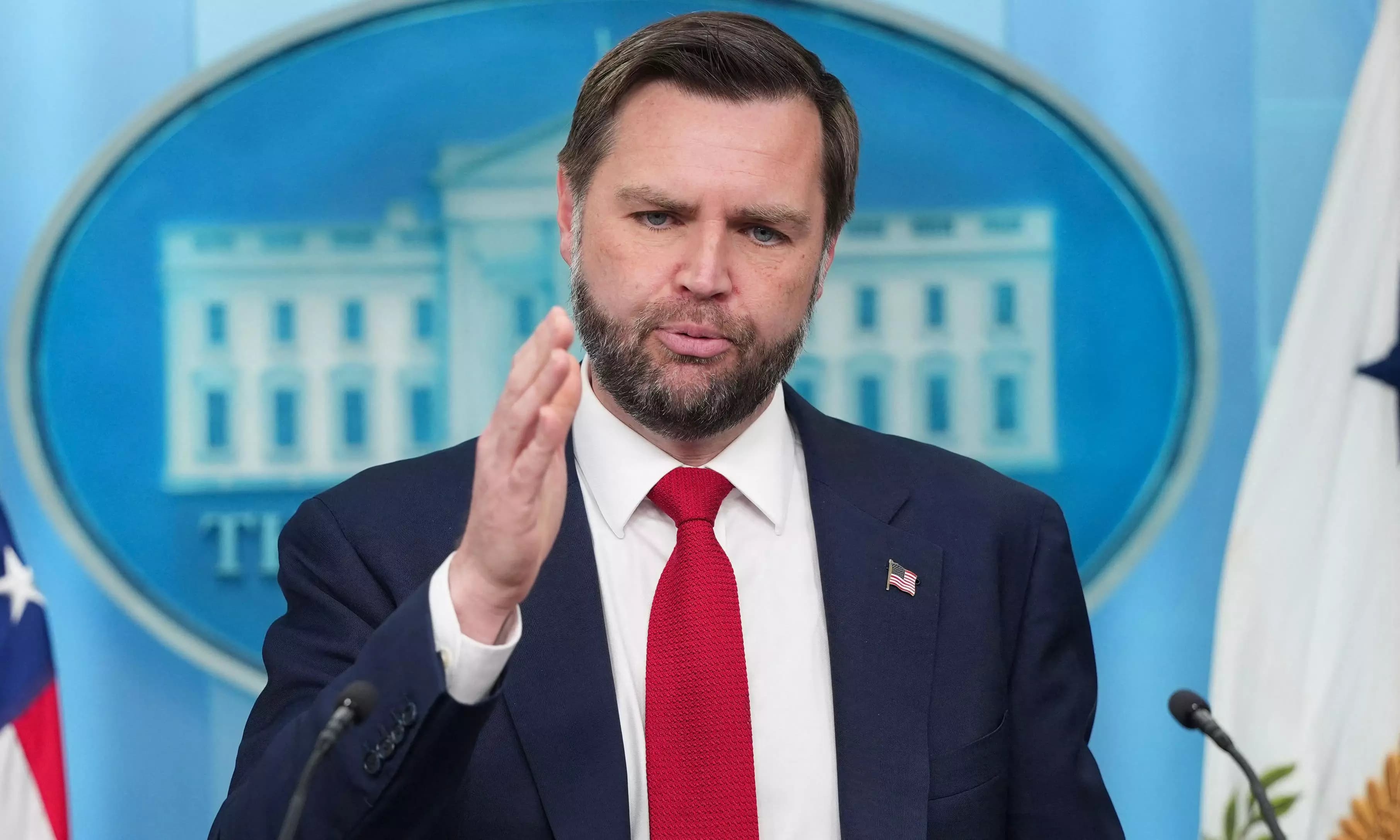
- •Vice President JD Vance announced that the U.S. has eased the blockade on Iranian ports, allowing over a dozen ships to pass.
- •Major global shipping companies have resumed transiting the Strait of Hormuz for the first time in 110 days.
- •While secondary routes are open, the primary central shipping channel remains obstructed by an estimated 80 naval mines.
- •The current agreement mandates the dilution of Iranian uranium stockpiles and initiates a 60-day negotiation period for a final nuclear deal.
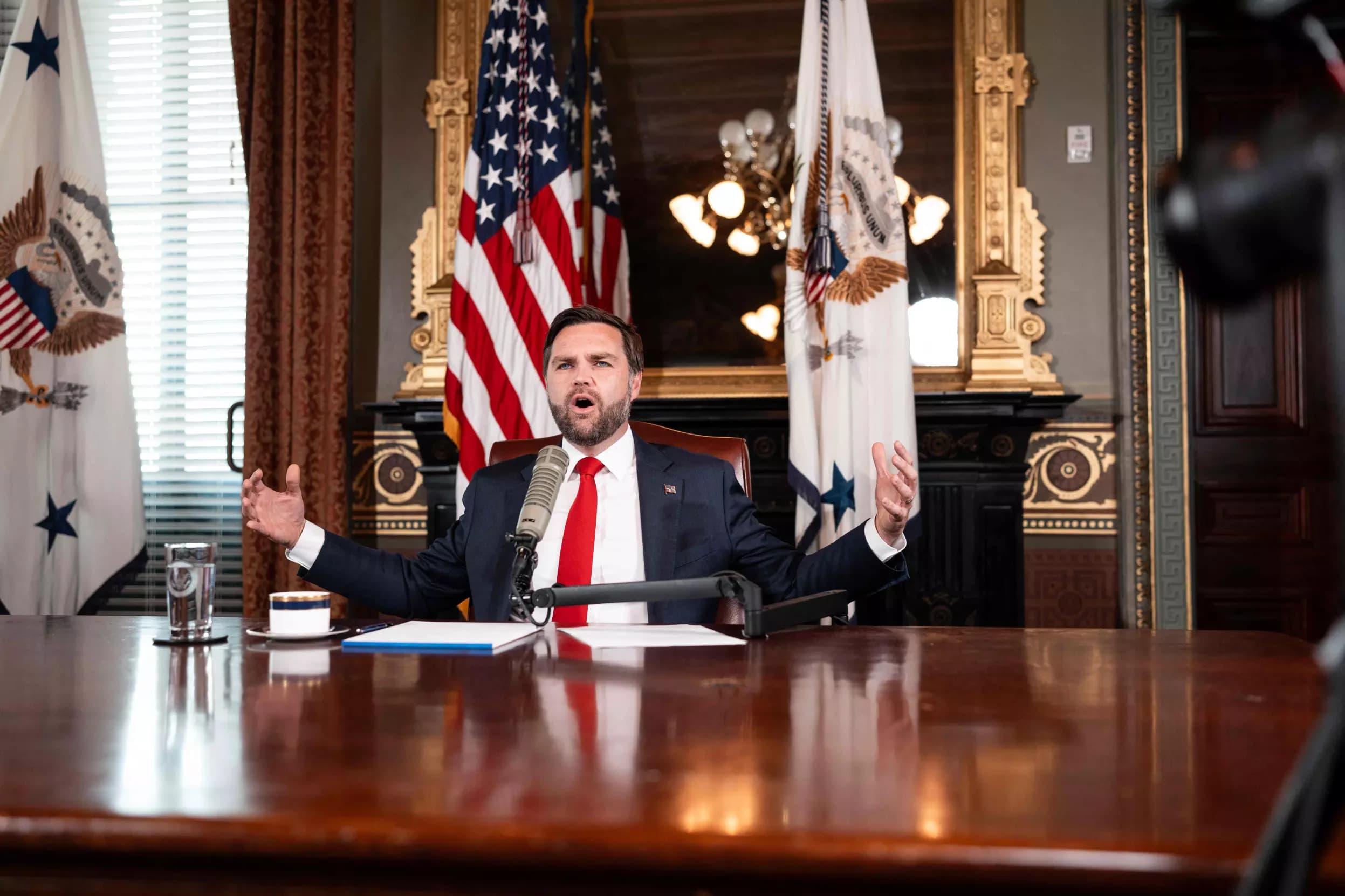
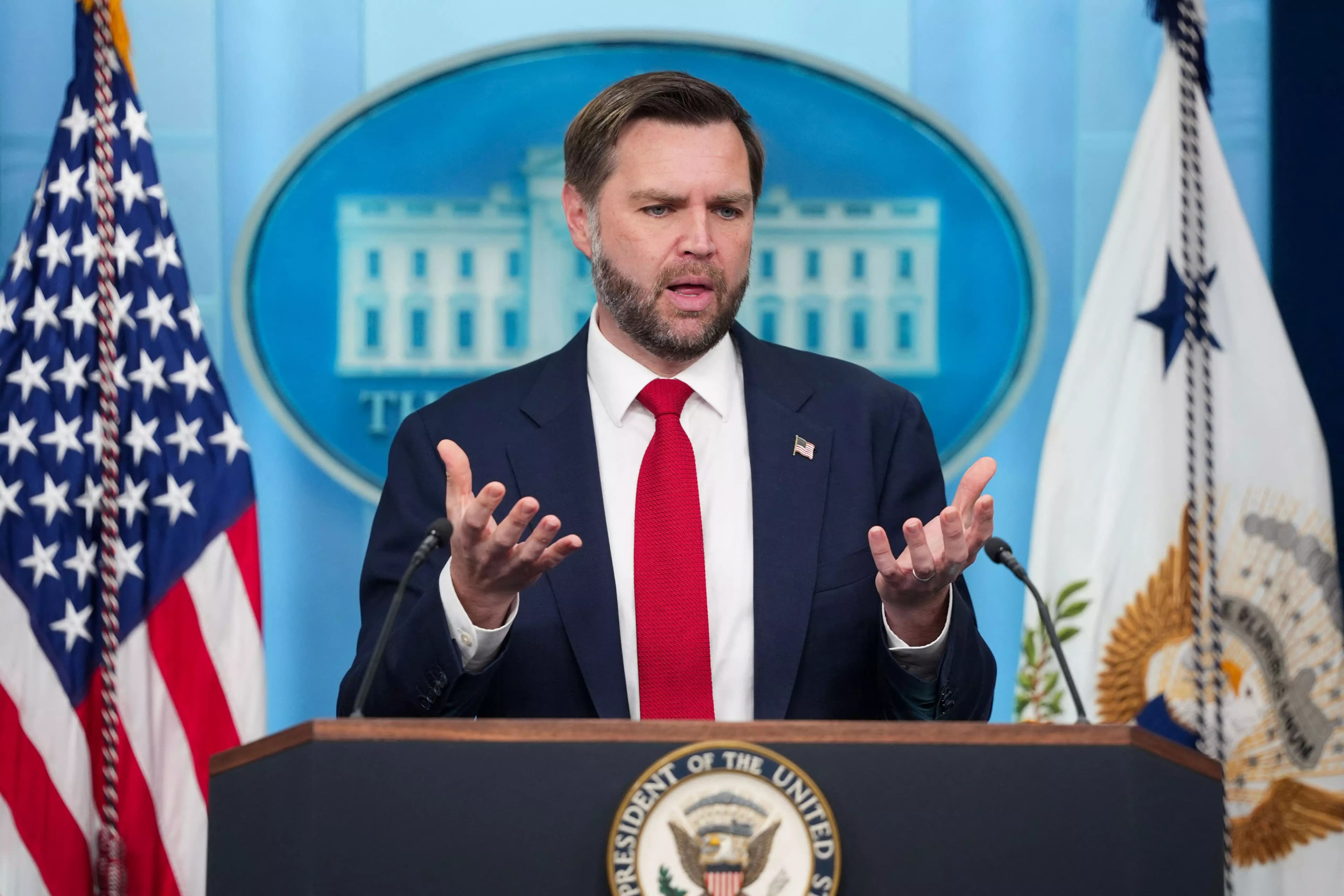
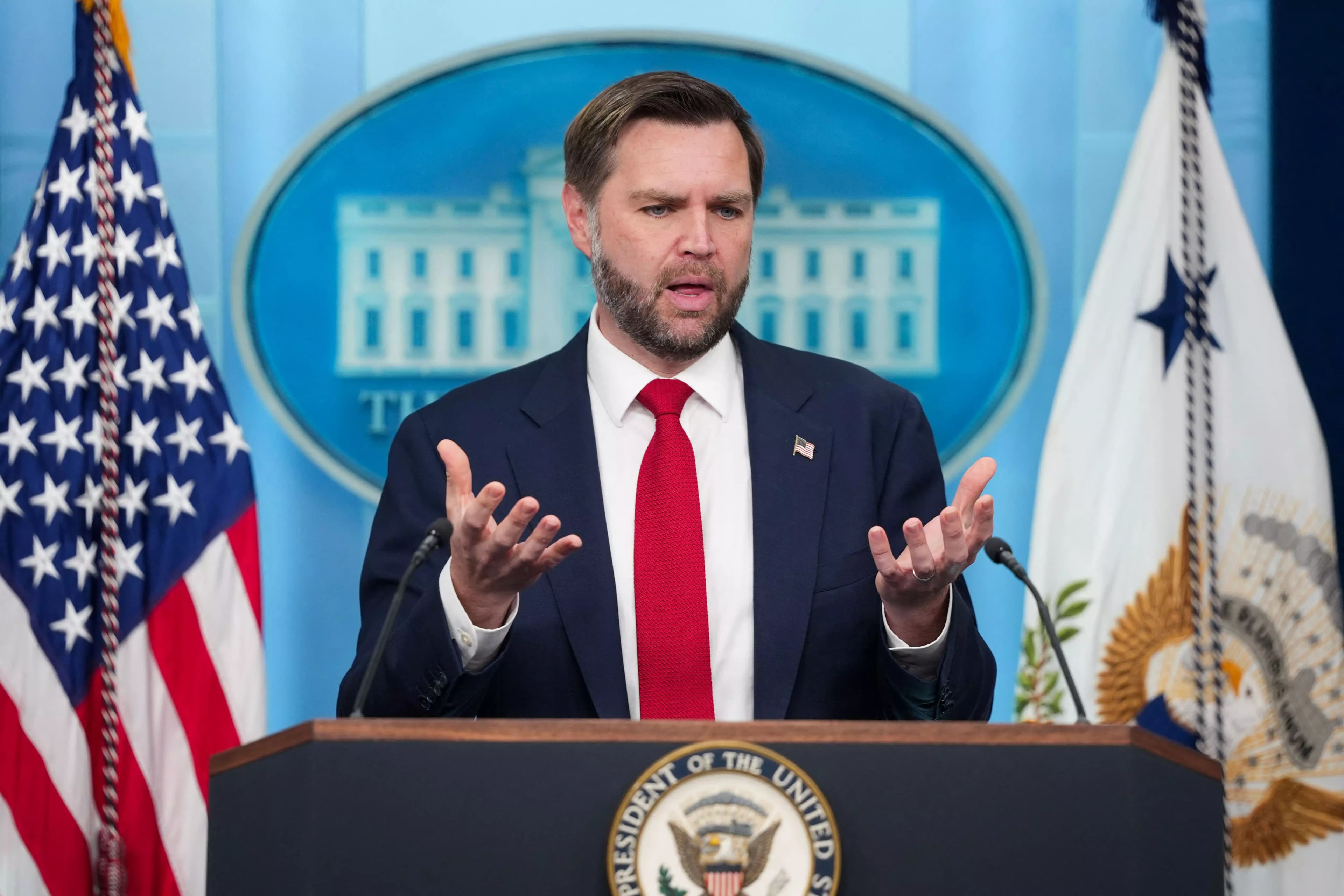
The United States has officially initiated a major de-escalation effort by permitting over a dozen vessels to access Iranian ports. This strategic move, confirmed by Vice President JD Vance, marks a significant easing of the previously enforced military blockade as part of a newly established agreement aimed at concluding hostilities in the region. The decision is expected to facilitate the resumption of critical energy trade through the Strait of Hormuz.
During a briefing at the White House, JD Vance reported that daily oil flow through the vital shipping artery has reached approximately 12.5 million barrels. This development is being presented by the administration as an early, tangible result of the ongoing diplomatic agreement. While the deal has faced scrutiny from various political corners, the administration maintains that it represents a necessary step toward stabilizing the Strait of Hormuz and preventing further escalation of the regional energy crisis.
Strategic Shifts in Maritime Trade
The impact of this policy shift is already visible in maritime operations. Recent data indicates that multiple tankers, including those operated by major international firms like Grimaldi Group, Cosco, Knutsen, and NYK, have successfully navigated the strait. Additionally, two crude oil tankers flagged under the National Iranian Tanker Company have also completed passage. This marks the first time in 110 days that commercial vessels owned by major global entities have utilized the route after being effectively sidelined since February.
Despite these developments, the regional situation remains complex. Phillip Belcher, the marine director of Intertanko, noted that the primary central shipping lane in the Strait of Hormuz remains closed, with estimates suggesting nearly 80 naval mines require clearance before full safe passage can be guaranteed. Consequently, current traffic is being diverted through alternative northern and southern routes that fall within Iranian and Omani waters, respectively.
The overarching agreement establishes a 60-day window for intensive negotiations aimed at finalizing a permanent framework for the future of Iran's nuclear program. Requirements under the current understanding include the dilution of highly enriched uranium stockpiles under international supervision and a formal commitment to refrain from developing nuclear weaponry. While the agreement has restored a degree of normalcy to the southern ports of Iran, the Iranian military maintains supervised control over the waterway, necessitating continued coordination for all transiting vessels. The international community continues to monitor these developments closely as the negotiations progress toward a long-term resolution.