US Lifts Iran Blockade as Supreme Leader Endorses Direct Talks With American Officials
The United States has lifted its blockade of Iran, facilitating the resumption of oil transit through the Strait of Hormuz. Iranian Supreme Leader Ayatollah Mojtaba Khamenei has signaled support for direct talks, while plans move forward for IAEA inspections of Iranian nuclear sites under the new agreement.
Highlights
- •The US has ended its blockade of Iran, allowing oil tanker traffic to resume through the Strait of Hormuz.
- •Supreme Leader Ayatollah Mojtaba Khamenei has officially endorsed the prospect of direct negotiations with US officials.
- •Iran is expected to invite IAEA nuclear inspectors to verify the status of its enriched uranium stockpiles.
- •Major shipping companies are navigating alternative routes while mine-clearing operations continue in the strait's central passage.
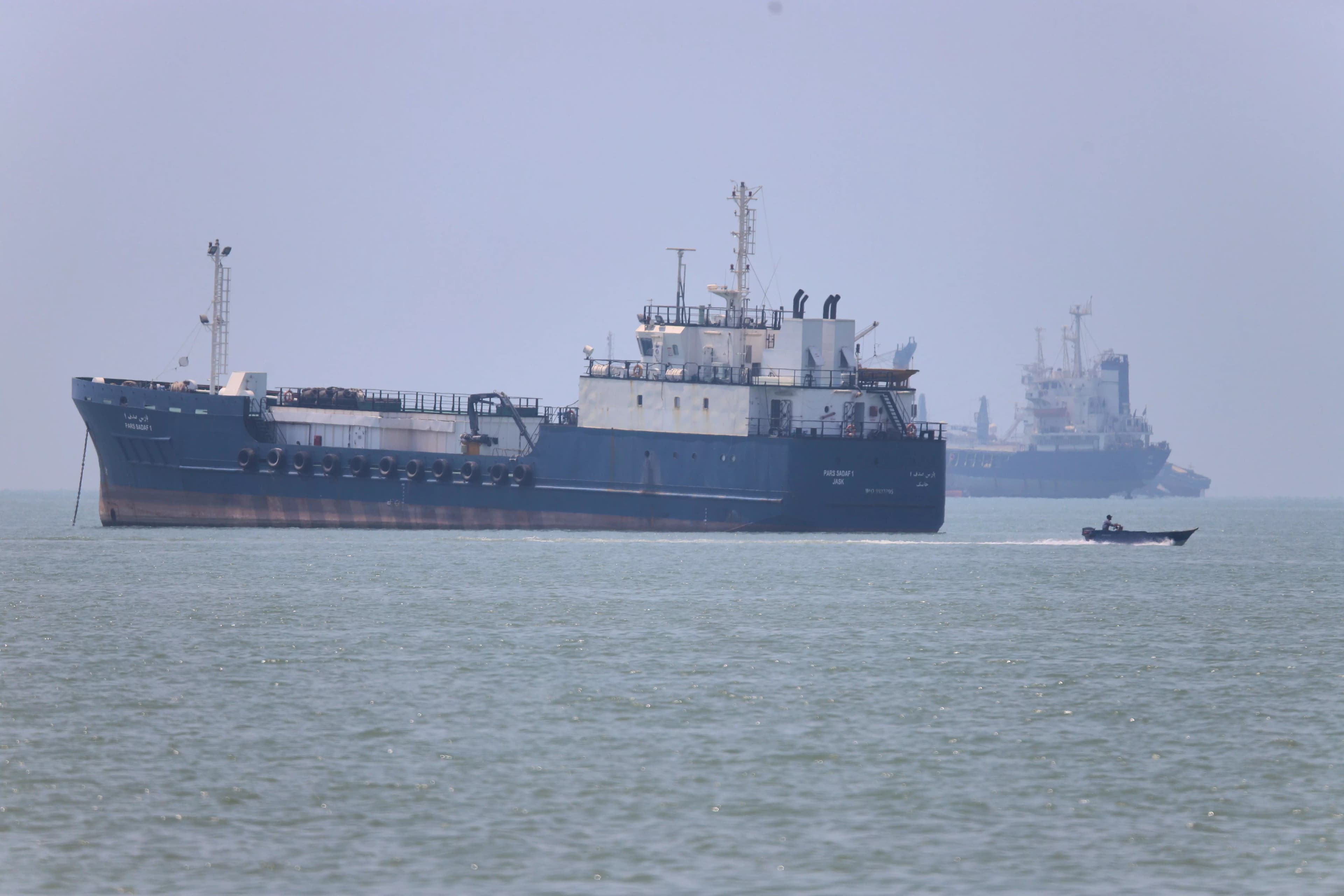
The United States has officially lifted its blockade of Iran, marking a significant development in the ongoing international efforts to maintain a ceasefire. As a result of this de-escalation, oil tankers have resumed transit through the Strait of Hormuz, a vital waterway that had remained largely inaccessible for several months due to the conflict.
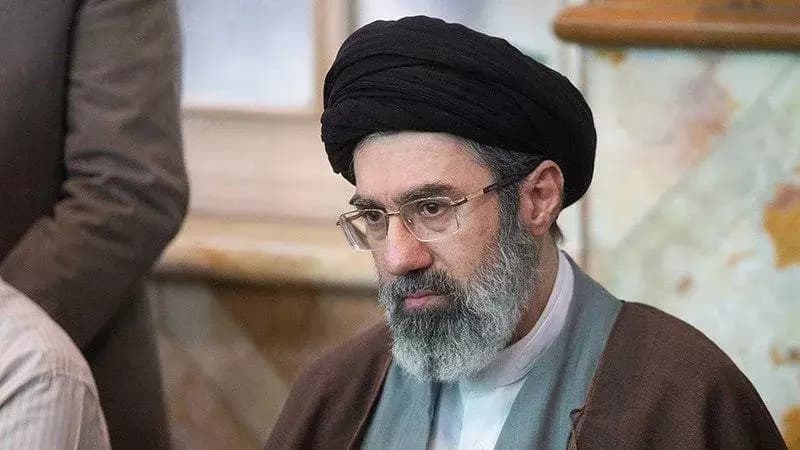
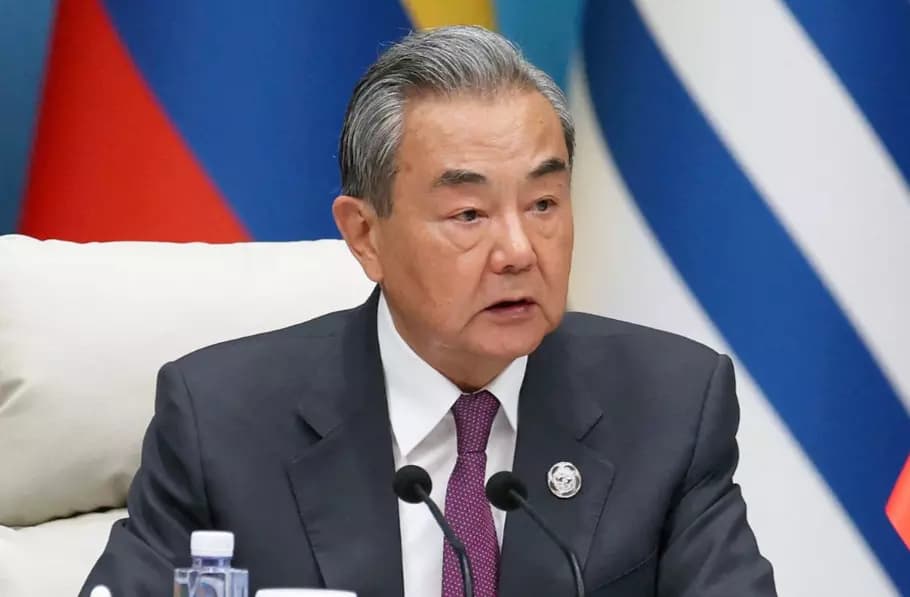
Following this major U.S.-Iran agreement, the Iranian Supreme Leader, Ayatollah Mojtaba Khamenei, has publicly endorsed the prospect of direct negotiations with American officials. This move represents a notable shift in Tehran's diplomatic strategy, as hard-liners within the Iranian leadership had previously maintained strong opposition to direct dialogue with the U.S. government.
Nuclear Inspections and Diplomatic Shifts
In a private briefing with lawmakers, U.S. envoy Steve Witkoff confirmed that Iran is expected to invite the International Atomic Energy Agency (IAEA) to inspect its nuclear facilities. The agreement stipulates that Iran must work to identify and disclose the locations of enriched materials. Furthermore, the pact requires that the existing stockpile of highly enriched uranium be diluted under international supervision to ensure compliance with non-proliferation standards.
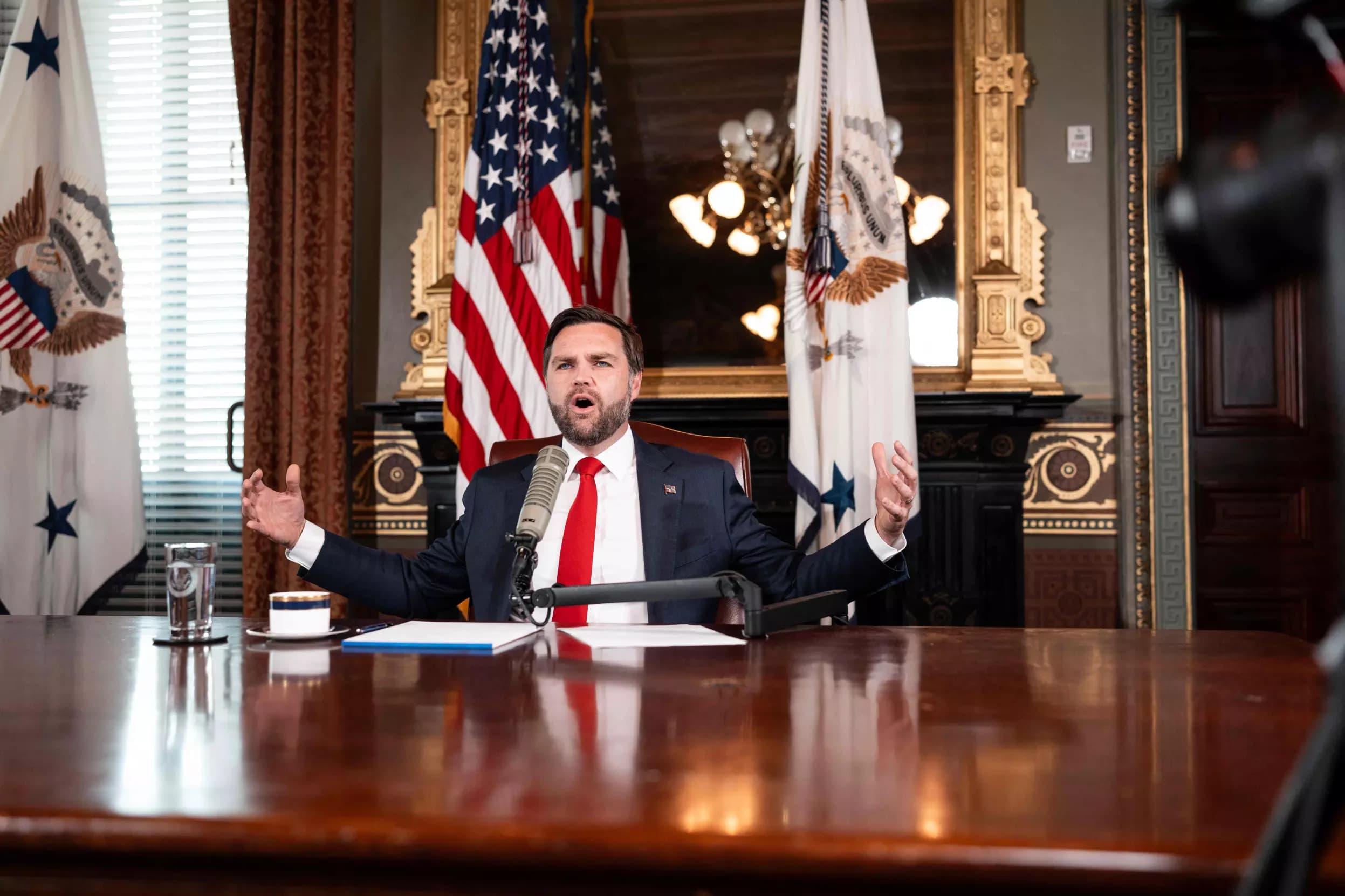
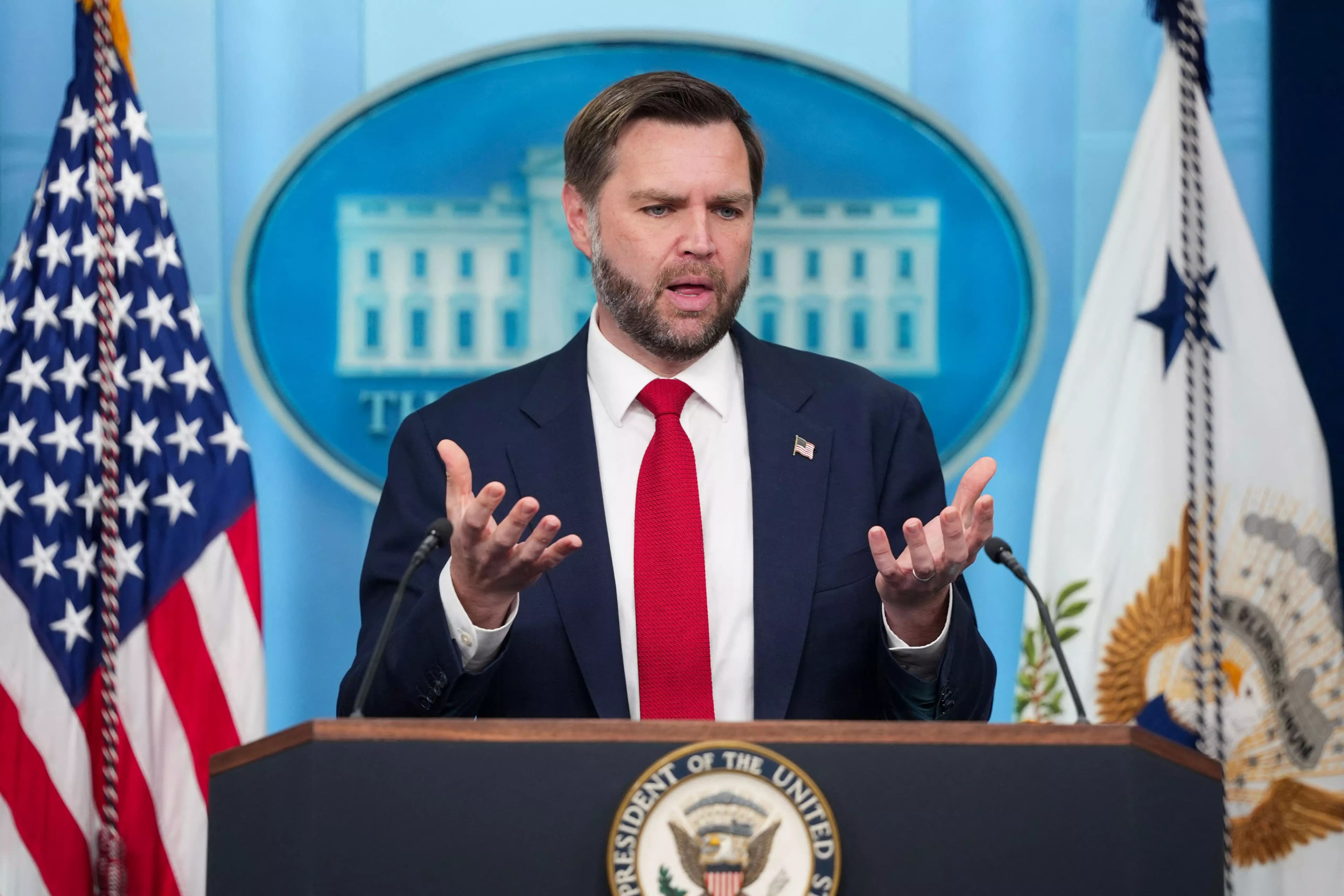
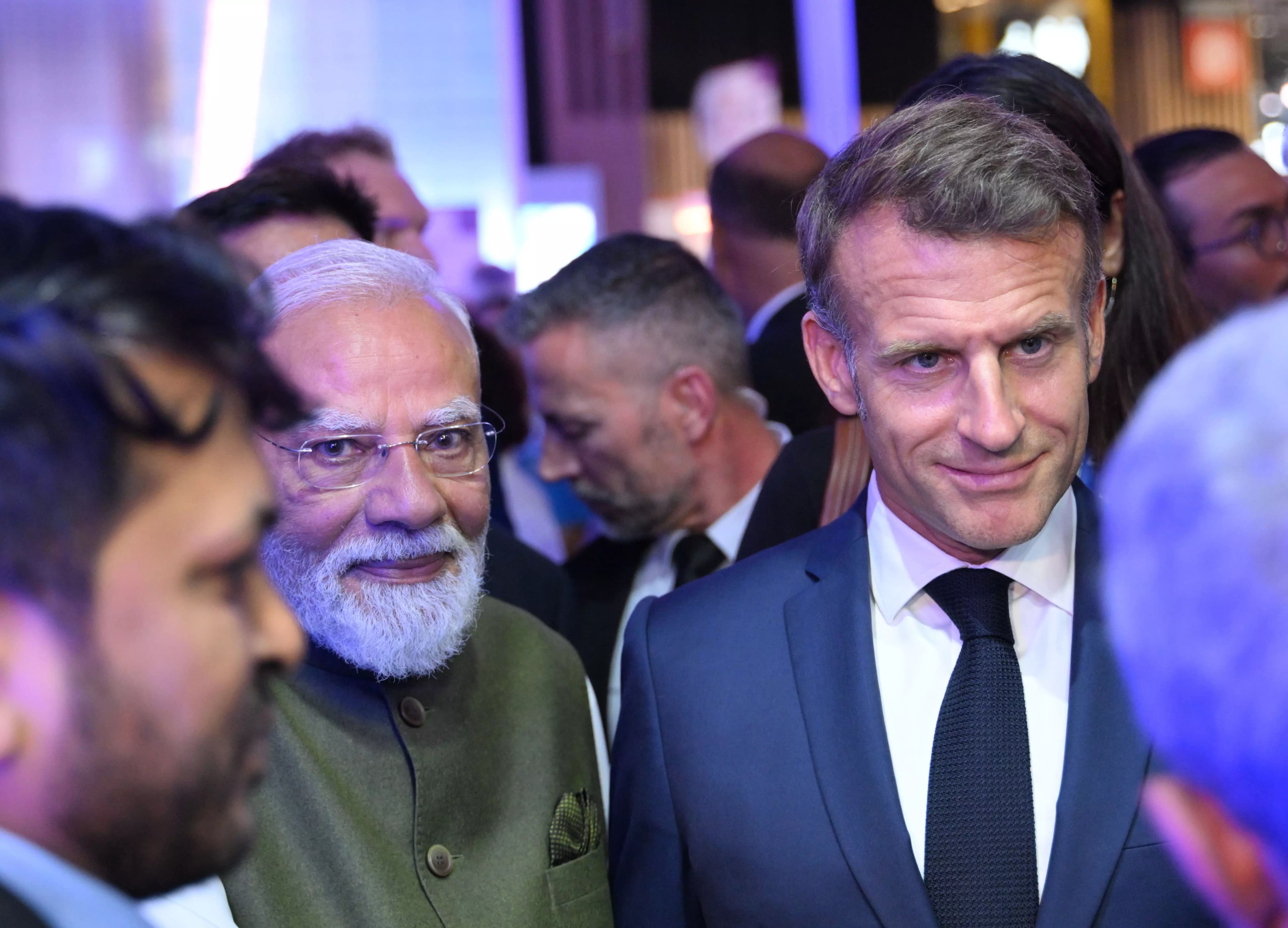
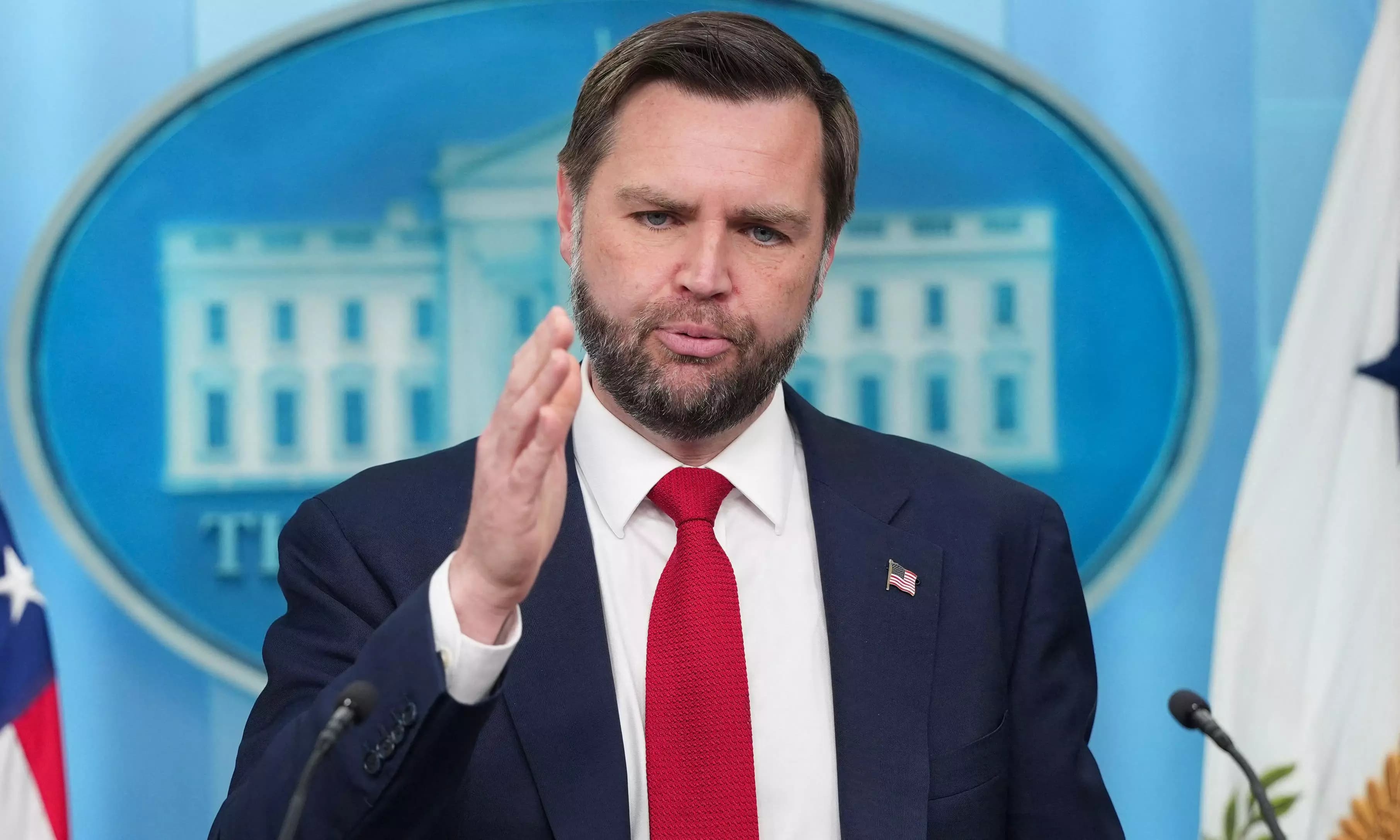
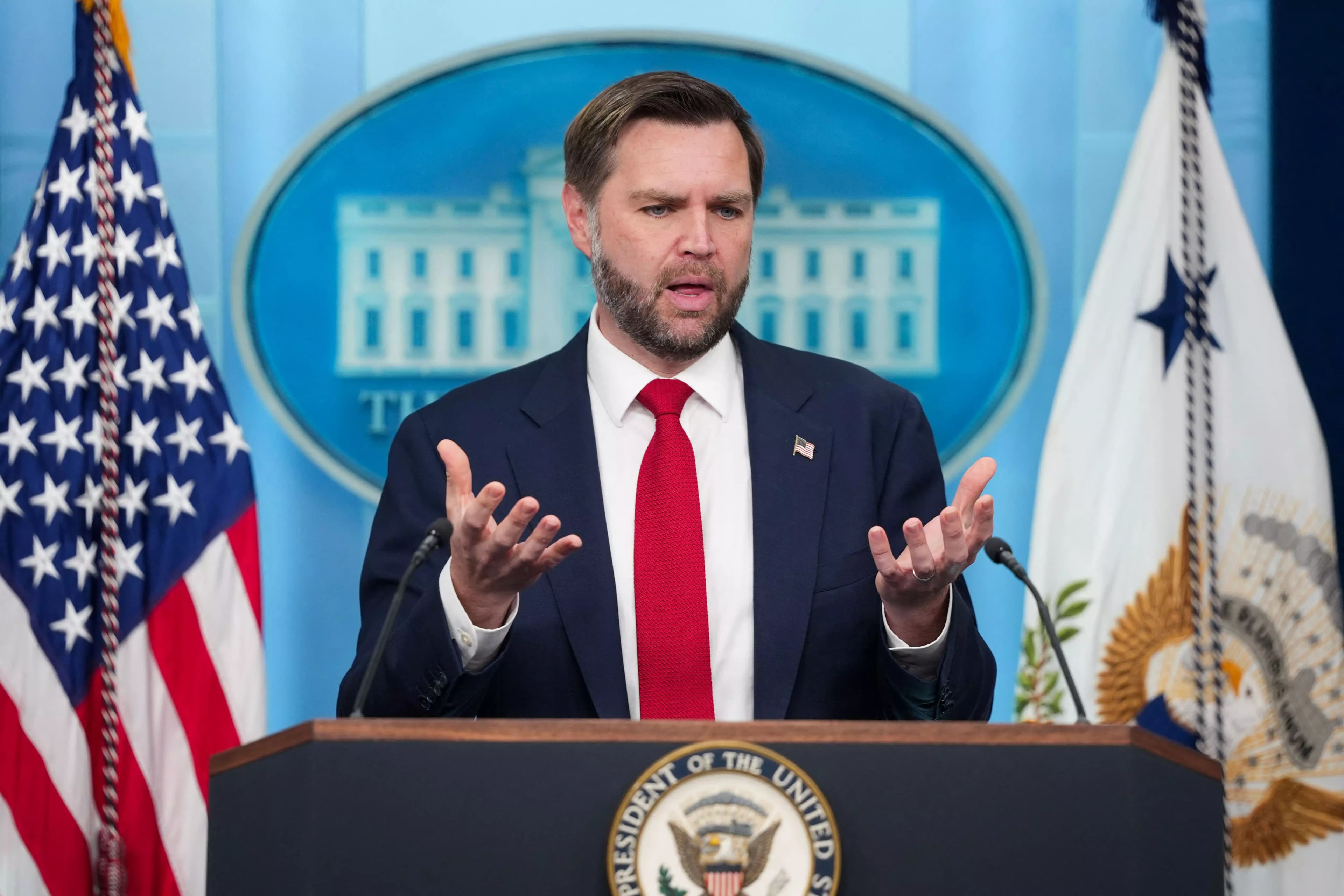
While the administration remains focused on the U.S.-Iran agreement, the rollout has faced scrutiny. Vice President JD Vance, who has become a prominent defender of the deal, indicated potential changes to his travel itinerary, including a planned trip to Switzerland for a ceremonial signing. Meanwhile, international stakeholders, including Pakistani Prime Minister Shehbaz Sharif, have also adjusted their schedules in light of the evolving timeline.
Restoring Maritime Trade Routes
The resumption of shipping in the Strait of Hormuz is a critical component of the de-escalation. Data from maritime experts indicates that major global shipping firms have begun moving vessels through the region again. While the central route of the strait still requires extensive mine clearance, alternative paths through both Iranian and Omani waters are currently being utilized.
The U.S. Central Command has announced that American warships will maintain a presence in the area to monitor adherence to the terms of the accord. As the ceasefire enters its initial 60-day window, both nations are under pressure to resolve broader outstanding issues. Despite domestic criticism in the United States regarding the perceived leniency of the terms, the administration asserts that the framework is essential to preventing further economic instability and ensuring that Iran renounces its nuclear ambitions.